 Jaclyn Tiu · · 3 min read
Agtech startup that uses AI to assess veggie quality nabs $2m seed funding
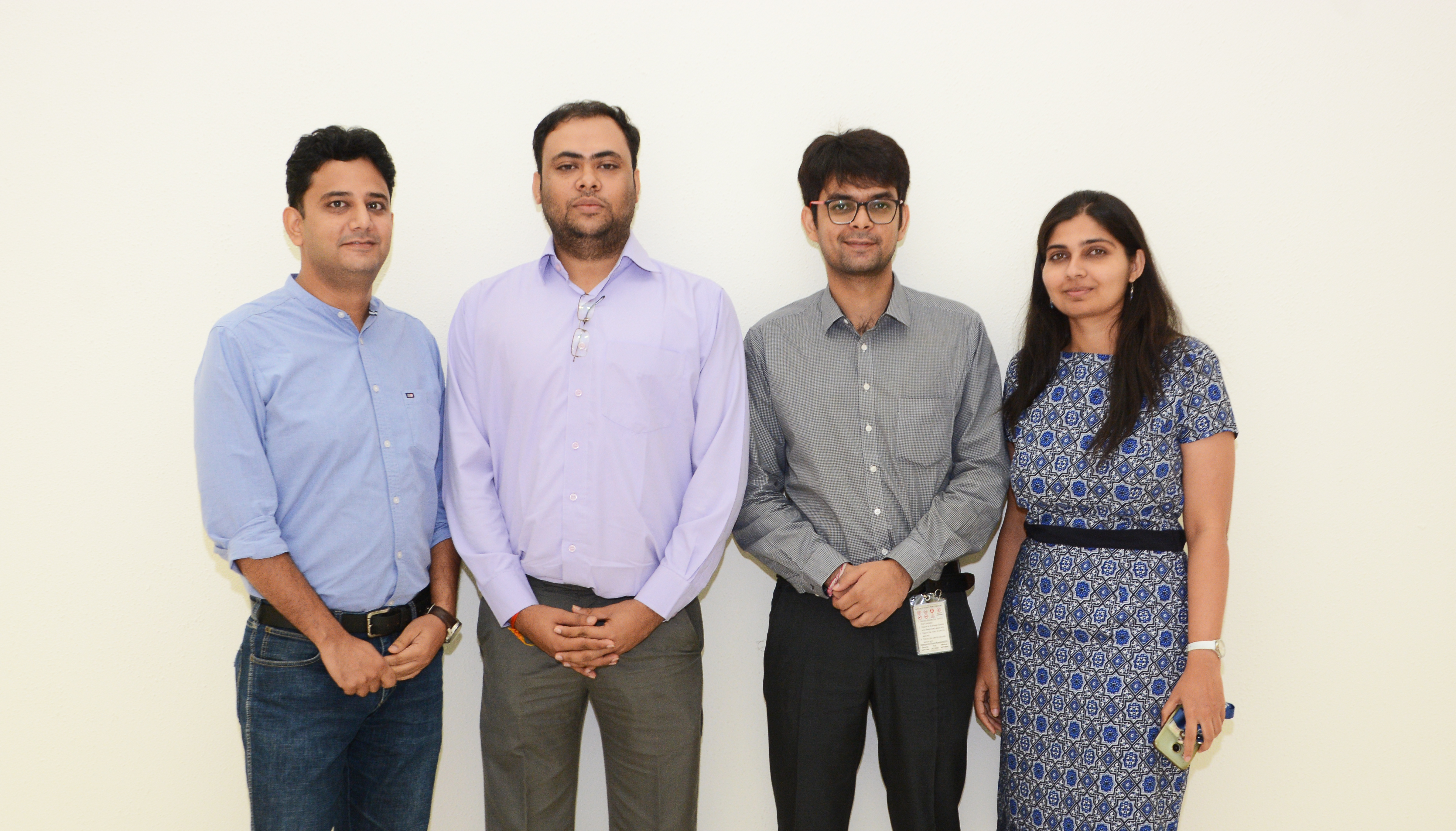
(L-R) Intello Labs co-founders Devendra Chandani, Nishant Mishra, Milan Sharma, and Himani Shah / Photo credit: Intello Labs
India-based AI agtech startup Intello Labs today announced it’s closed a US$2 million seed round from Nexus Venture Partners and Omnivore. This marks the firm’s first institutional round.
Intello Labs, which operates in Singapore, Stockholm, and the US, will use the cash infusion to expand further in Southeast Asia, particularly in Indonesia and Malaysia – two agricultural hubs in the region. It also plans to continuously enhance its product features.
Launched in 2016, Intello Labs created an app that uses artificial intelligence and machine learning to grade and analyze the quality of agricultural commodities like wheat, potatoes, and onions. Clients can use the app to take photos of a batch of their produce. The app then automatically grades these using visual quality metrics such as shriveling, ruptured skin, cracks, etc.
The startup generates revenue by charging its clients per photo taken. “In the current process, if you are to send a sample to a laboratory for testing, it takes around US$40 to US$50. We are much, much cheaper than that,” Milan Sharma, CEO of Intello Labs, tells Tech in Asia.
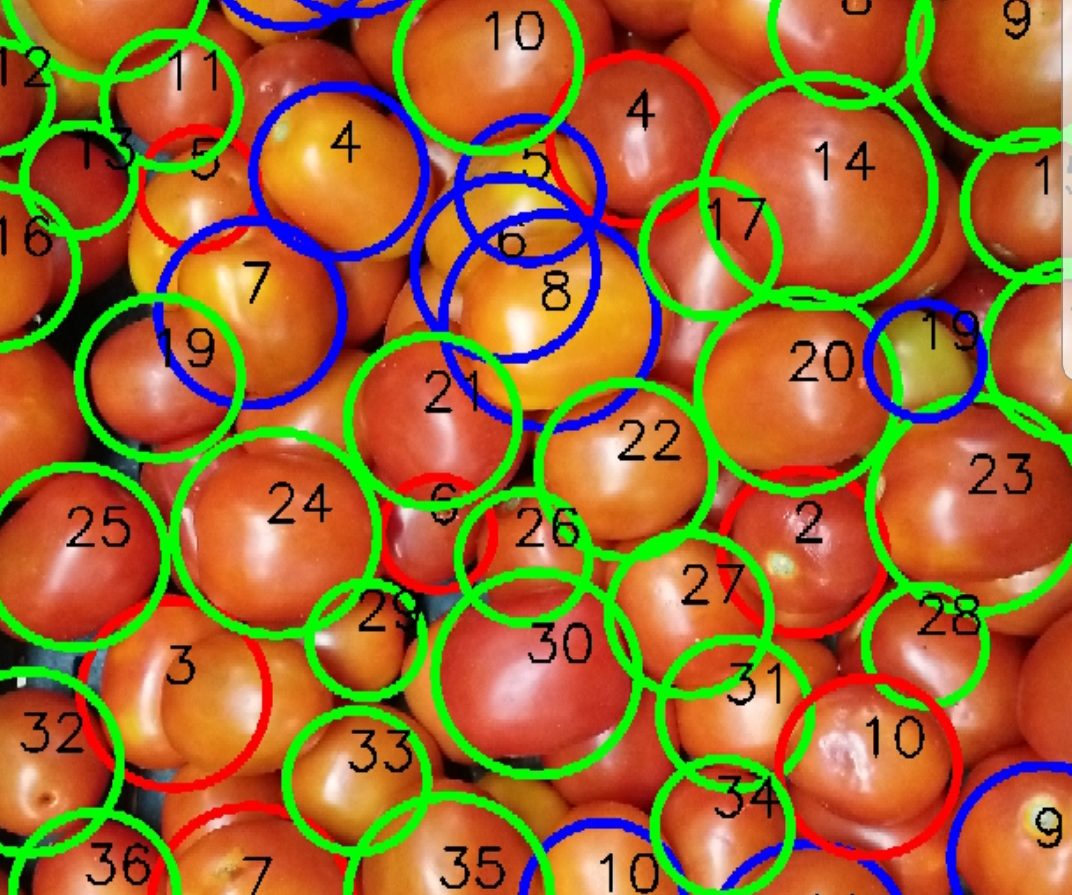
A sample of how Intello Lab’s product works / Photo credit: Intello Labs
According to Sharma, this approach is also more scalable and objective than current processes. “Currently, there are two major ways that [inspection is] done. The first is manual inspection: a sample is drawn, and it’s inspected manually, which leads to subjectivity, lack of manpower, and scaling issues. The second way is laboratories, which are geographically constrained, very high on cost, and the volume that they can get is limited,” he explains.
However, Sharma admits that visual metrics aren’t the only important factors. Measuring chemical quality like protein, gluten, moisture, and others is also an industry standard.
Intello Labs will then scale the effectiveness of its visual measurement capabilities first, he says. Then, it will work on developing small sensors that can be attached on mobile phones to measure the chemical composition of produce.
The team is already working on proofs of concept for the sensors, but it will take “around a year” to scale it, Sharma shares.
The agtech startup counts large multinational companies as its clients. Though Sharma declined to name these firms, he says they’re some of the largest retailers in India and globally.
The company will initially focus on catering to large enterprise clients, but Sharma says it will eventually offer a software-as-a-service model for small businesses, traders, and farmers within the next two to three years.
The startup claims its software is 95% accurate, beating human accuracy, and reduces quality testing time from 15 minutes to two minutes. It serves clients in over 10 countries.





Stay updated on the go with our mobile app.
Get latest insights with smoother, more personalized experience through TIA mobile app.







📅 Upcoming Events
22 October 2026
Payoneer x CSPN Summit 2026