If we were to liken role-playing games (RPGs) to restaurants, most of them would be the sort that serve all-you-can-eat buffets. They’re laden with a slew of systems like crafting, conversation, combat, stealth and more to keep you busy. There’s a lot to choose from and even more to sink your teeth into.
But if we were to liken Indian indie RPG Unrest to a restaurant, it would be a grotty hole in the wall, run by a snooty chef with a like-it-or-lump-it menu. There would be just one item on the menu. And you know what? It would be pretty damn good.
A lot more conversation and no action please
What Unrest lacks in variety, it makes up for in finesse. Yes, it’s an RPG, but don’t take the term at face value. There’s no levelling up, you don’t command a party, there’s no overarching plot to save the world or even make it a better place, forget a crafting system and combat is as rare as spotting a double rainbow. Unrest does very few things, but it does them well enough to warrant your time and energy. This is a game that’s all about conversation and narrative.
And while Western audiences may be bored by the novel approach to characters (you play a priest with a family, a 15-year old girl being prepped for marriage, an old mercenary chief and an heiress to a kingdom who’s just a child), to me it simply is what I’ve seen in other Indian media such as TV and comics. Except a lot more nuanced. Themes such as child marriage, communal violence, class struggles, and the caste system are deftly handled. And thanks to this, the game ends up being a compelling affair.
Through a host of situations that see you playing as different characters, Unrest not only gives you a variety of perspectives, it allows you to set in motion a chain of events that affects the bigger picture.
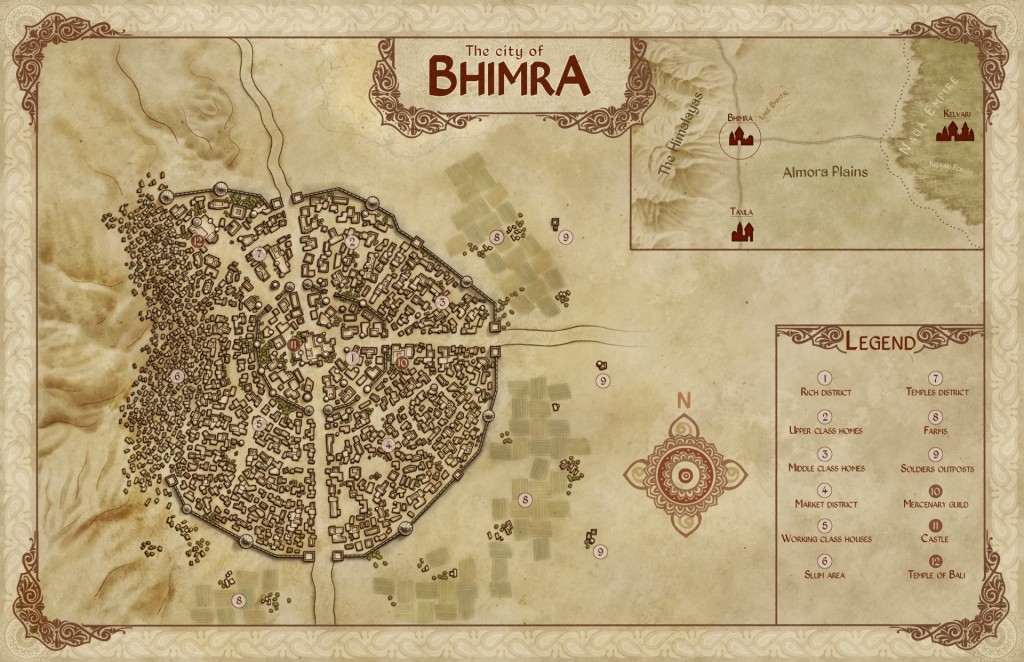
For example, you may choose to dole out medicines to the needy, or sell them for profit on the black market. There’s no black-and-white morality system, but what you choose will definitely affect your playthrough. Without spoiling much, your actions will define the outcome of the city of Bhimra, which is teetering on the brink of rebellion from a highly agitated lower class.
(See: An interview with the creators of Unrest, an Indian RPG like no other)
A truly “social” game
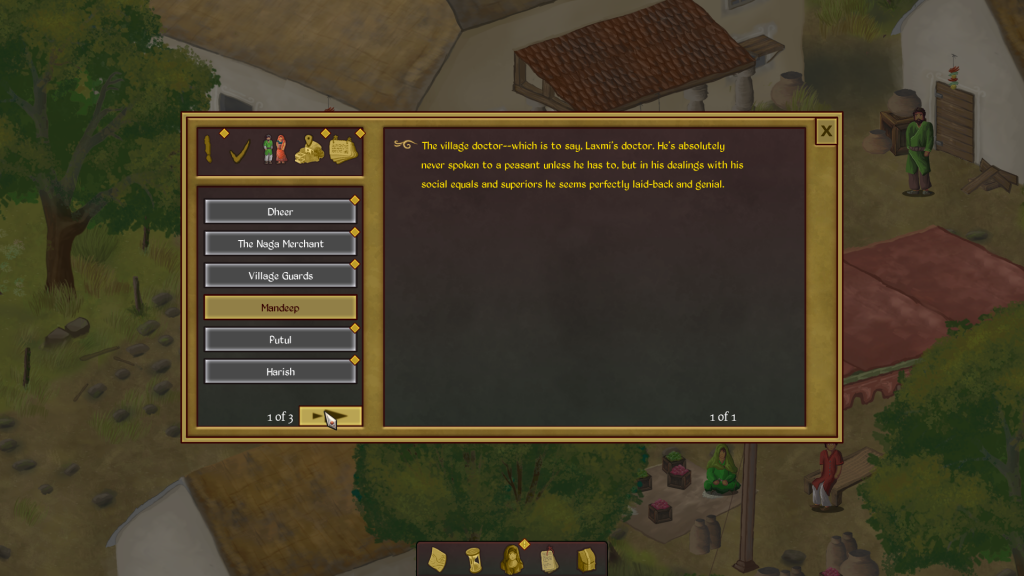
Though Unrest‘s protagonists read like a list of suggested characters that the marketing suits in bigger studios routinely shoot down, what stands out is the social constraints that it puts you in. Unlike the looser, less rigid social structures exhibited in RPGs from other countries, there is little to no social mobility in ancient India and Unrest portrays this brilliantly.
So when you play a street child in the slums, the fact that you appear to belong to a lower caste weighs heavily in your mind simply because everyone around you either disregards you or treats you with contempt (barring a few exceptions and that’s because they’re worse off than you). Meet the same people as a priest, and you’re treated with fervor.
Choice conundrums
Via interactions with other NPCs, the game smartly hammers the point home that the family your character is born into affects your progress (along with the parameters of fear, friendship , and respect). It teaches you how to work the angles, and approach a situation. While the option to run away from a potentially fatal arranged child marriage is available thanks to the presence of stables in your village, for you to actually use it not only means finding the right NPC to speak to, but involves you making the correct dialogue choices as well.





Stay updated on the go with our mobile app.
Get latest insights with smoother, more personalized experience through TIA mobile app.













📅 Upcoming Events
22 October 2026
Payoneer x CSPN Summit 2026