Paloma Ganguly · · 4 min read
Conquering the last Indian mile by training underprivileged youth
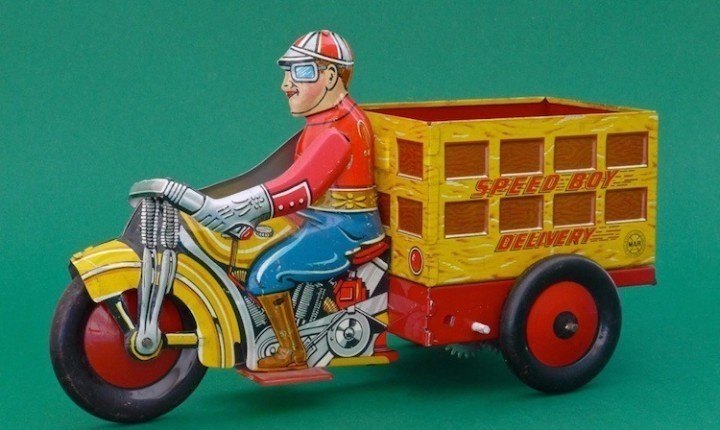
Photo credit: Lord Enfield
A delivery man in India has to be ready for an irate customer who might abuse him. He could be kept waiting for cash – the majority of deliveries in India are cash-on-delivery. Some customers might even cancel the order if he does not give back exact change.
Those are but tiny, micro-level examples of the challenges in the last mile logistics space, which will play a critical role in India’s ecommerce boom.
Right now, last mile logistics is considered a pain point by most online retail companies. There is a yawning supply-demand gap across the entire logistics space – be it warehousing, cold chain or road, rail, and air freight capacity.
“But above all, trained manpower to deliver at the last mile will be crucial in defining the customer experience,” Rajiv Sharma, co-founder of last mile logistics startup dPronto, tells Tech in Asia.
The Delhi-based company today counts ecommerce giants like Flipkart, Snapdeal, and Shopclues among its clients. It was set up in July 2015 by Rajiv, Pritha Dutt, K.B. Rajendran, and Sanjeev Sharma. The company is bootstrapped by the founders at the moment.
Currently dPronto operates in Delhi-NCR and will expand to cities like Bangalore, Hyderabad, Lucknow, Jaipur, and Chandigarh in the next few weeks.
Cracking last mile logistics

Photo credit: Daniel Novta
For the layman, here’s what last mile delivery really means. A Delhi-based customer orders a mobile phone on Flipkart. A last mile delivery firm like dPronto will finally take the phone from Flipkart’s Delhi warehouse to the customer.
India spends 14.4 percent of its GDP on logistics and transportation compared to less than eight percent in other developing countries. And within that, last mile delivery is a tough space to crack.
Transport, for instance, is a major problem. The majority of commercial vehicles are owned by small operators, making for a disorganized sector. Road infrastructure is also poor.
Rajiv says Mumbai is considered the toughest in the last mile logistics space due to the high costs of manpower and real estate. “Another reason is the sheer distances to be covered from warehouses outside municipal limits to end customers living in downtown areas,” says Rajiv.
The experiences of delivery boys vary from delighted customers hugging them to angry ones abusing them. “But overall the experiences are pleasant,” says Rajiv, who has worked for over 25 years across tough sectors. In his last role, he was heading the Airtel Enterprise Business.
Training the delivery boys
Competition in the logistics space





Stay updated on the go with our mobile app.
Get latest insights with smoother, more personalized experience through TIA mobile app.