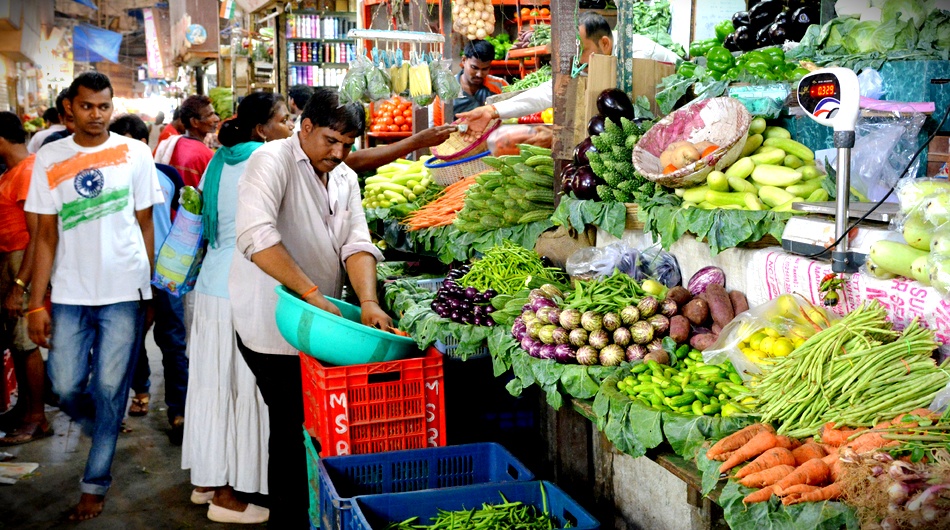
India wants all her merchants to go cashless. Photo credit: rklfoto123 / 123RF.
There is a huge disconnect in India when it comes to digital payments.The country’s retail system is still run by mom and pop stores, most of which are still tiptoeing around going all-out cashless.
The were 24.5 million credit cards and 661.8 million debit cards being used in the country in March 2016, according to the Reserve Bank of India (RBI). But only 700,000 merchants accept card payments. And there are only 1.4 million card-swiping machines attached to cash registers in the country.
If this gap wasn’t evident before, it certainly became so once the government launched its demonetization campaign.
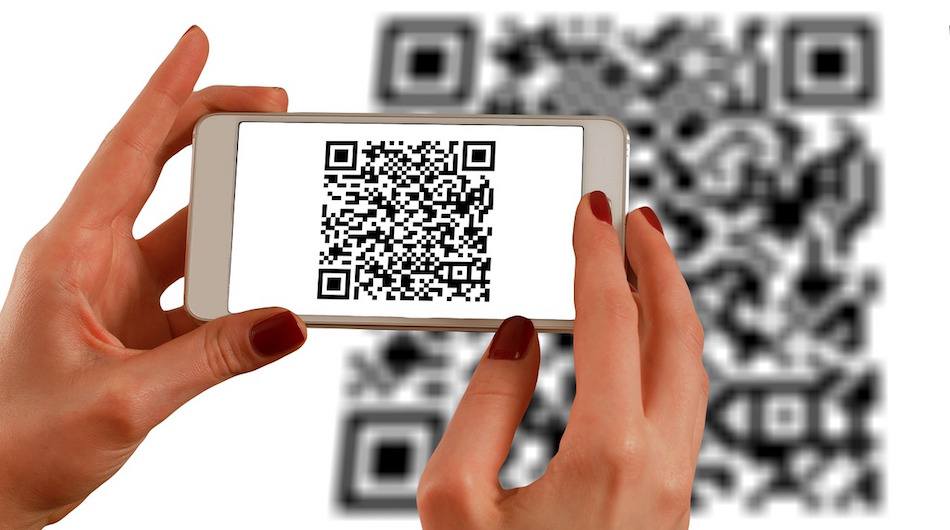
Photo credit: Pixabay.
Taking its cashless drive further, the government today launched the BharatQR code (Bharat is the Hindi name for India), to let people buy things without swiping their cards. Merchants can now ask shoppers to scan a QR code and make payments directly from their bank account. R Gandhi, RBI’s deputy governor, launched the system in Mumbai today, just as Paytm launched its own QR push to take on the government-backed initiative.
Here’s the lowdown on BharatQR.
In December, the government asked digital payment networks RuPay, MasterCard, and Visa to have a common QR code-based tech to help merchants leapfrog the in-store payments problem. Monday’s announcement is a follow-through of that.
The National Payment Corporation of India, an umbrella organization for all retail payments system in the country, partnered with 14 major banks including the RBI and ICICI Bank to support BharatQR.
BharatQR works with three payment terminals – the NPCI-backed RuPay, MasterCard, and Visa.
To use the BharatQR code, a customer has to download the app of any one of the compatible banks on her smartphone. The code works on Android and iPhone.
Consumers will not need to scan different QR codes at the same merchant provided by the different payment networks. Stores will only need to display one QR code at the storefront or through the acquiring bank’s mobile application. The other obvious benefit is that merchants won’t need to spend money buying card-swiping or QR code scanning machines. This also means they won’t be charged transaction fees by banks for using those machines.
A QR code-based transaction is also touted as more secure than having to share your PIN number while swiping cards.





Stay updated on the go with our mobile app.
Get latest insights with smoother, more personalized experience through TIA mobile app.