 Stephen Chen · · 5 min read
Could Huawei be using Trojan circuits to help Beijing spy on the US?
Speaking on CNBC recently, US Senator John Barrasso was adamant that Huawei, the leading Chinese telecommunications equipment maker, represented a clear threat to the United States.
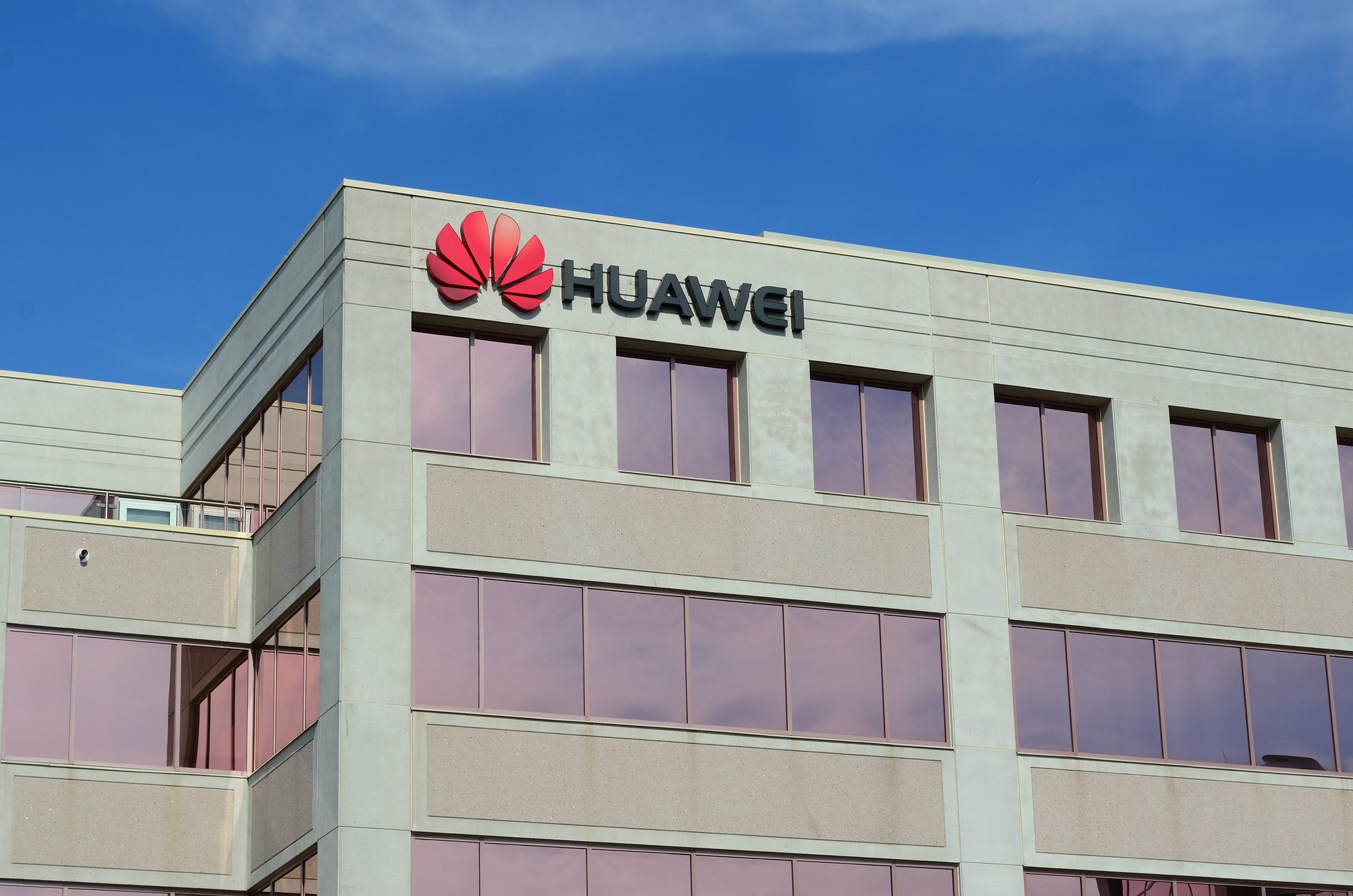
Photo credit: Open Grid Scheduler / Grid Engine
“Huawei is a true threat. It could be a Trojan horse,” the third-ranking member in the Senate Republican leadership said.
Barrasso is one of the many US politicians who have called for a ban on Huawei equipment and technology.
They have said that the conglomerate, based in Shenzhen in southern China, installs “back doors” or “Trojans” in its devices to siphon off sensitive data to the Chinese government without detection.
US Secretary of State Mike Pompeo has traveled the world, warning allies to stay away from Huawei lest they put intelligence-sharing with the US at risk.
Huawei, meanwhile, has repeatedly denied the allegations, saying that it is not a proxy for China’s security apparatus.
Despite its warnings, some of the US’ traditional allies such as UK and Germany have said they have found no evidence that Huawei’s devices contain Trojan circuits, also known as hardware Trojans – modifications of integrated circuits in computer chips that can give third parties access to data.
In May, the US put Huawei on its Entity List, prohibiting the sale of US technology to the smartphone maker. The government said it had cause to believe Huawei was involved in activities that threatened American national security or foreign policy interests.
US President Donald Trump last month appeared to have backed off a little from the ban after meeting Chinese counterpart Xi Jinping at the Group of 20 summit in Japan.
And US Commerce Secretary Wilbur Ross said on Tuesday that American firms could be allowed once again to sell technology to the blacklisted Chinese firm where there was no threat to US national security.
Ross maintained, however, that sales of sensitive equipment would remain off limits.
But from a technology perspective, are these warnings credible, or fantasies straight out of the pages of spy fiction?
Trojans come in all shapes and sizes.





Stay updated on the go with our mobile app.
Get latest insights with smoother, more personalized experience through TIA mobile app.











📅 Upcoming Events
22 October 2026
Payoneer x CSPN Summit 2026