Jane Zhang · · 3 min read
How an ex-Huawei employee built Kilimall, Africa’s biggest ecommerce platform
Kilimall, the Chinese startup that is now one of Africa’s leading ecommerce players, is building a platform that empowers thousands of Chinese small businesses eyeing Africa with their localized services.

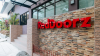
Photo credit: timhester / 123RF
Named after Africa’s highest mountain, Kilimanjaro, Kilimall was the first Chinese ecommerce company to enter Africa, selling products that span various categories including electronics, clothing, home appliances, fashion bags, make-up, and more.
Since its founding in 2014, it has grown rapidly to become the biggest ecommerce site in Kenya with about 10 million users and over 10,000 sellers from both Africa and China. Now, it also distributes in Uganda and Nigeria.
Yang Tao, the founder and chief executive of Kilimall, was irritated by the inconvenience of shopping in African countries after being sent there by his former employer Huawei to help local telecom companies build mobile payment platforms in 2012.
“The price of goods was very high in Africa while choices were limited,” Yang said. “At that time, I felt that ecommerce would not only solve a shopping problem but also a bigger problem for the continent.”
“There are very modern cities in Africa, with many handsome men and beautiful women, who are becoming increasingly affluent,” said Yang. “The middle class is booming and their requirements for quality of life are getting higher and higher.”
With China’s ecommerce market dominated by Alibaba and JD.com, Africa’s markets are relatively young with huge potential. Africa’s ecommerce market will amount to US$18 billion in 2019 and reach US$32 billion by 2023, with an annual growth rate of 15.4%, according to market and consumer data provider Statista.
Africa is also the fastest-growing continent in terms of population size, according to the United Nations.
“The demographic dividend is paid with a low-cost supply of labor and a younger generation that will generate a huge potential internet consumer market,” said Chen Yun, investment director at Crystal Stream Capital, which has started to focus more on Africa this year.
Kilimall first got local merchants on its platform and earned a commission on their sales. In April 2015, the company opened the site to thousands of Chinese suppliers, who now make up half of the sellers on the platform.
Yang said Kilimall has an edge over competitors due to its Chinese roots as the country remains a global manufacturing center as well as one of the world’s leading ecommerce markets, with deep experience of operations and marketing techniques.
But he warned that simply copying what Chinese counterparts do does not really work since social traditions, culture, and consumer habits are totally different in African countries.
The ecommerce platform also offers an online payment system, Lipapay, and logistics system KillExpress, aiming to be a “Digital Africa Enabler.” Yang wants to open the payments and logistics systems to other Chinese enterprises in the future.





Stay updated on the go with our mobile app.
Get latest insights with smoother, more personalized experience through TIA mobile app.