- Premium Content It takes our newsroom weeks - if not months - to investigate and produce stories for our premium content. You can’t find them anywhere else.
 Apoorva Dutt · · 4 min read
How Xiaomi set up a development team with 100,000 people in it
In order to enable users to come into the product development process in an in-depth way, we designed an internet development model that we called Orange Friday.
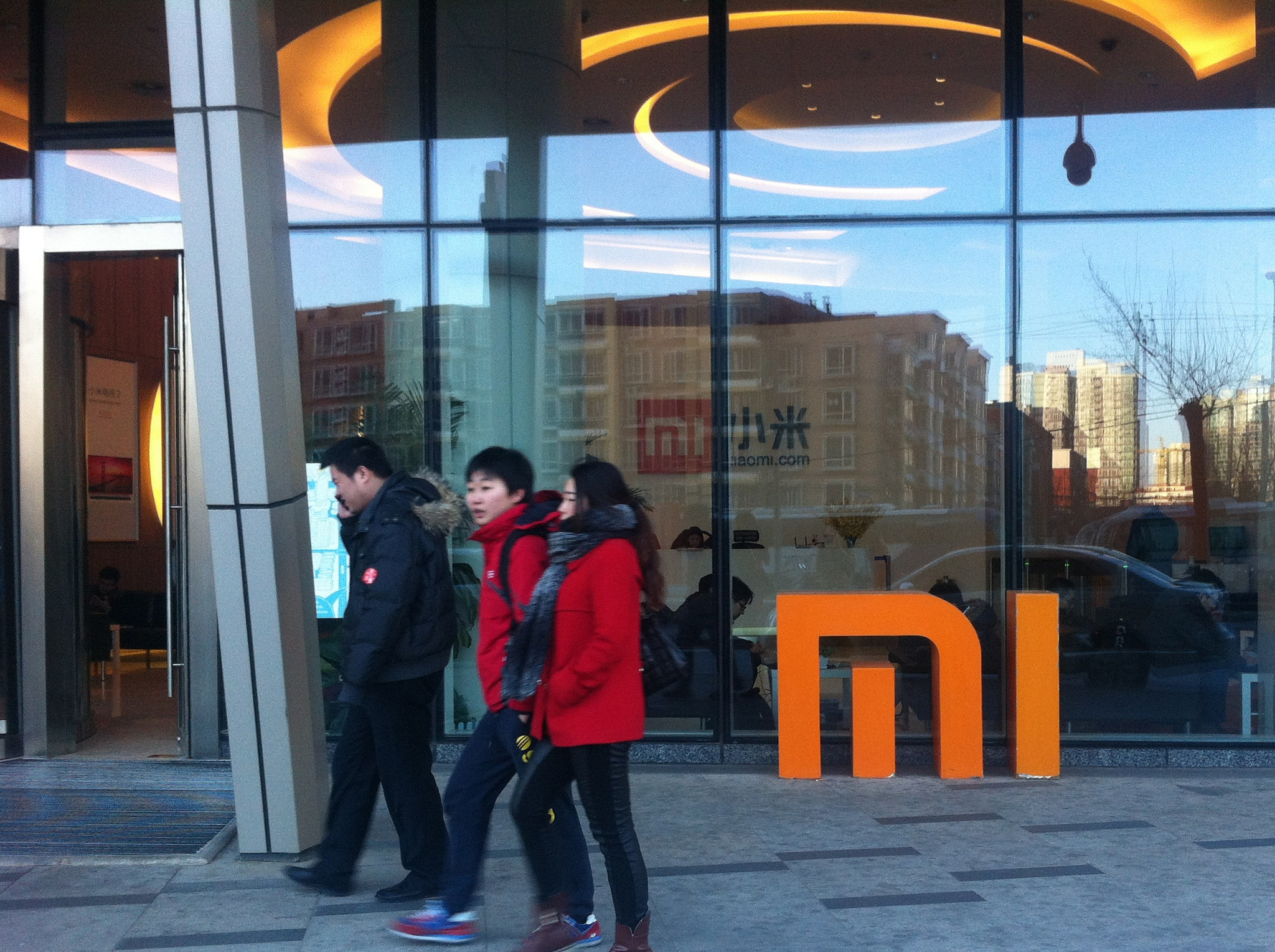
Photo credit: Jon Russell.
The following is an edited excerpt from The Xiaomi Way: Customer Engagement Strategies That Built One of the Largest Smartphone Companies in the World by Li Wanqiang. The excerpt was provided by McGraw-Hill. You can buy a copy here.
“Can you set up a development team that has 100,000 people in it?” I had this crazy idea when I was working on MIUI (a stock and aftermarket firmware for smartphones and tablet computers). At the time, our development team had just over 20 people in it. MIUI was the first real product of Xiaomi, and it was also the first to experiment with this whole idea of user engagement.
The user model is greater than any engineering model. In order to enable users to come into the product development process in an in-depth way, we designed an internet development model that we called Orange Friday. The gist of this idea was that the MIUI team would revise the system and put out a new version every week, through interaction with users on internet bulletin board systems (BBSs).
An internet style of software development
After making sure we were able to maintain the stability of basic functions, we allowed all ideas and functions to go out to users in a very open way, whether they were great ideas or not so great, and whether they were well-developed functions or not well developed. Every Friday afternoon, on schedule, we put a new version of MIUI on our website, accompanied by the orange-colored Xiaomi symbol.
The following Tuesday, MIUI would allow users who had tried out the new version to send in their four-box experience reports. From the very beginning, we were receiving upward of 10,000 responses, and by now we have hundreds of thousands of people participating in this process every week. Through reviewing these reports, we could assemble information on which functions users liked most and which they felt were not good enough, and we knew which had any hope at all of being disseminated to a broader public.
Meanwhile, inside the company, we set up a prize called the MIPOP Prize. The team that had created the functions that had received the most positive votes in the previous week won the prize. This prize was not just a bucket of MIPOP — it was the sense of glory that came from being called a “god” by everyone. The zero-distance connection between users and employees via BBS allowed users to approve of certain functions directly, which naturally pleased the teams who created those functions. When a given function was teased by users, or worse yet, when it was criticized, the product manager or the software engineer responsible for that function did not have to hold meetings to try to motivate his team.
He would find them working overtime, putting everything they had into doing better the next time. Our official team of over a hundred software engineers constituted the core of the 100,000-strong internet development team that was set up through the use of BBS.
Around the perimeter of this core was another tier of 1,000 highly professional reviewers and checkers, who were considered honorary insiders. The most active users were those who used the prototype, around 100,000 people who were dedicated to improving its functions. The outer perimeter was composed of the thousands upon thousands of users of the “stable version” of MIUI. Each of those tiers actively participated in improving the upgrading of MIUI in its own way.
Among all these people, our honorary insiders were called The Honorables.
The internet model for a software development team
Because of the various tiers, or levels, the constantly upgrading structure of MIUI was formed of different versions. There was a gray-level version and various stair-stepped versions. The fastest innovations came from the honorary insiders, and these were incorporated into the inside test version. That version would get upgraded daily. It had the fastest rate of testing new functions and eliminating bugs.
The second fastest innovations came from the development version, which would get upgraded every week.
After that came the stable version. This would generally get upgraded every one to two months. Users would eagerly wait for the new version of MIUI to come out every Friday. These fans loved to install a new operating system, a new firmware, in their phone, to experience the new things and to test new functions. Maybe this Orange Friday’s version would include something they themselves had designed! Or it might incorporate a bug they had worked out, one they had discovered.
Stay ahead in Asia’s tech landscape
This is premium content. Subscribe to read the full story.
“In order to enable users to come into the product development process in an in-depth way, we designed an Internet development model that we called Orange Friday.”
We know this is not ideal. ⌛ Sign up in 20 seconds. Cancel anytime.
Our subscriber community includes professionals from these companies:





Stay updated on the go with our mobile app.
Get latest insights with smoother, more personalized experience through TIA mobile app.