Teresa He Tingbo, president of HiSilicon, has emerged in the spotlight after she recently described the preparations made by the wholly owned semiconductor company of Huawei Technologies to continue operations, despite the trade ban imposed by the US government.
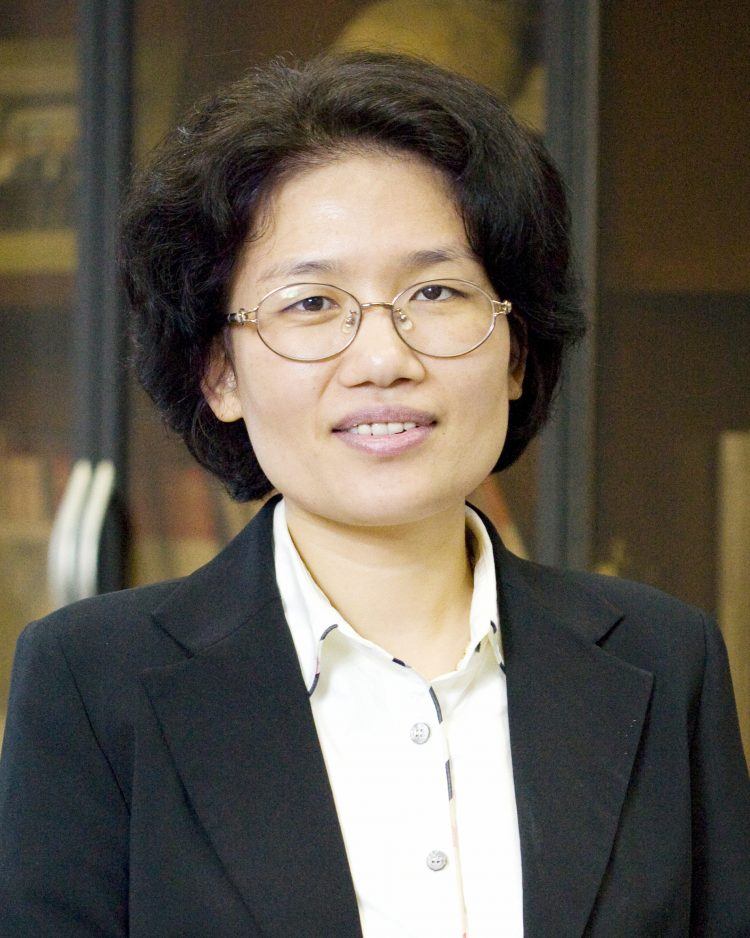
Teresa He, president of HiSilicon / Photo credit: HiSilicon
She revealed in a company memo on May 17 that HiSilicon had devoted significant resources for many years to a backup plan that would ensure the survival of the group, which was put under a trade blacklist a day earlier by the US Department of Commerce. Shenzhen-based Huawei and 70 of its affiliates have been barred from buying hardware, software, and services from American hi-tech suppliers without US government approval.
Before that memo became widely circulated online in China, He was hardly known to the public even though she is one of the top three female executives in the world’s largest telecommunications equipment supplier.
The two other senior female executives in Huawei are Chen Lifang, president of public affairs and communications, and chief financial officer Sabrina Meng Wanzhou, the daughter of company founder and chief executive Ren Zhengfei. Meng was arrested in Canada in December 2018 and is out on bail while awaiting possible extradition to the US.
He has stepped forward on the front line months after Ren broke years of silence in January to address the hardline US campaign. Washington accuses Huawei of posing a security threat because its products may be used for espionage by Beijing, representing the biggest crisis to hit the privately held firm in more than three decades.
In her memo, He compared the efforts to create a “spare tire” to being the “most tragic and heroic Long March in the history of science and technology.” It’s a reference to the military retreat between 1934 and 1936 by the Red Army, the forerunner of the People’s Liberation Army, to evade Kuomintang troops during the Chinese civil war. The thousands of marchers covered some of China’s harshest terrain and the feat is often evoked as a symbol of Chinese unity by the ruling Communist Party.
She said HiSilicon’s contingency plan will “ensure the strategic safety of most of the company’s products and the continuous supply of most products.”
Under a doomsday scenario of the US cutting off access to advanced chips and technology from American suppliers, HiSilicon would provide alternative chipsets – from those provided by the likes of Qualcomm and Intel Corp – for use in Huawei’s smartphones and network equipment.
He leads more than 7,000 employees – located in China and various offices overseas – at HiSilicon, reputed to be the country’s largest designer of integrated circuits. Its chips are developed with technology licensed from the likes of ARM Holdings and fabricated by contract chip manufacturers.
Its various chipset models, which have been certified in more than 100 countries and territories, are used in Huawei’s own smartphones, tablets, servers, and security cameras.
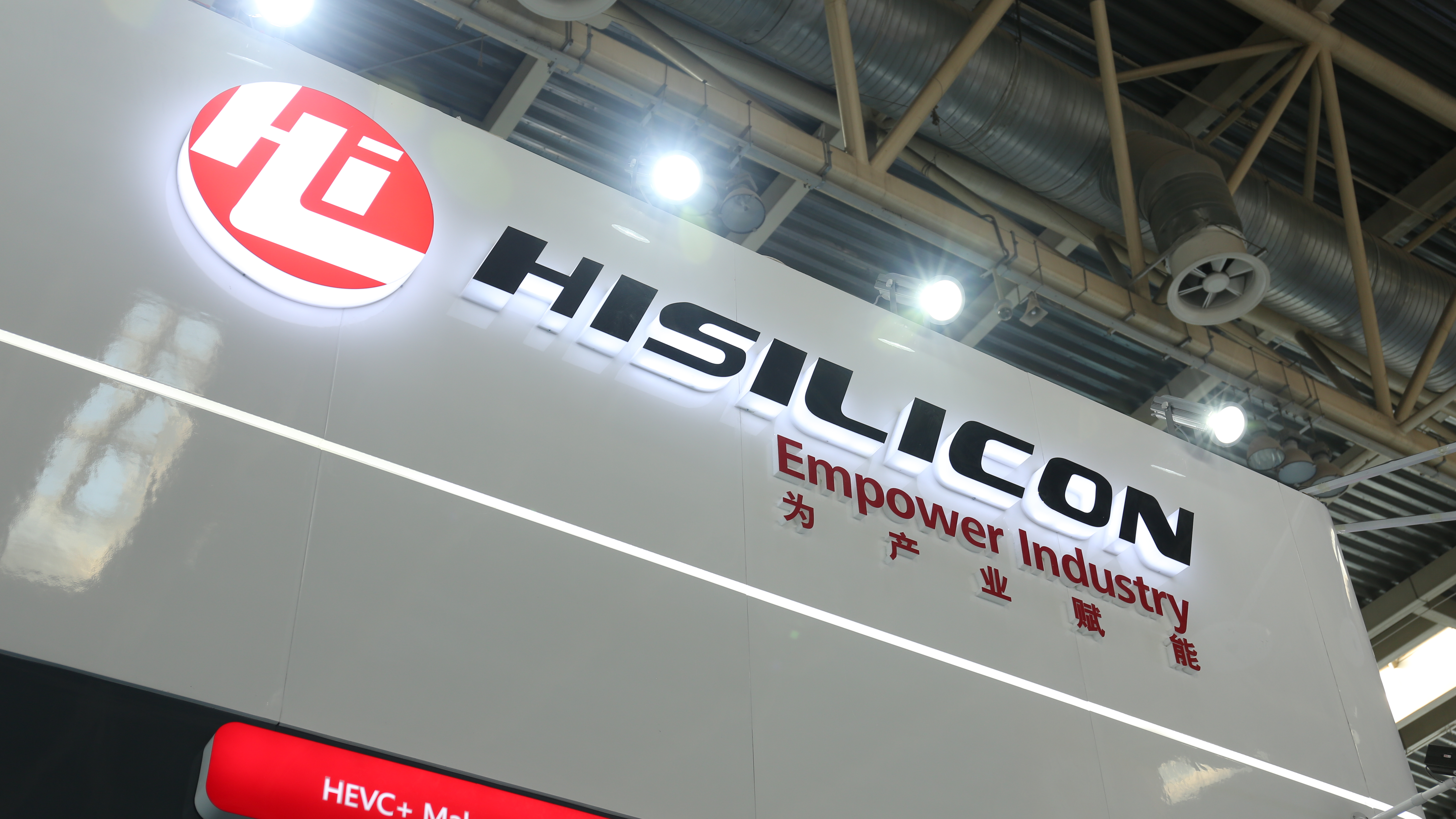
Photo credit: HiSilicon
Born in 1969, He obtained a master’s degree from the Beijing University of Posts and Telecommunications. She joined Huawei in 1996 and has since served as chief ASIC (application-specific integrated circuit) engineer, research and development director at HiSilicon, and vice president of innovation research group 2012 Laboratories, according to her official biography on Huawei’s website.





Stay updated on the go with our mobile app.
Get latest insights with smoother, more personalized experience through TIA mobile app.








📅 Upcoming Events
22 October 2026
Payoneer x CSPN Summit 2026