 Malavika Velayanikal · · 5 min read
Here’s how Plonk found new parking spaces in overcrowded Bangalore
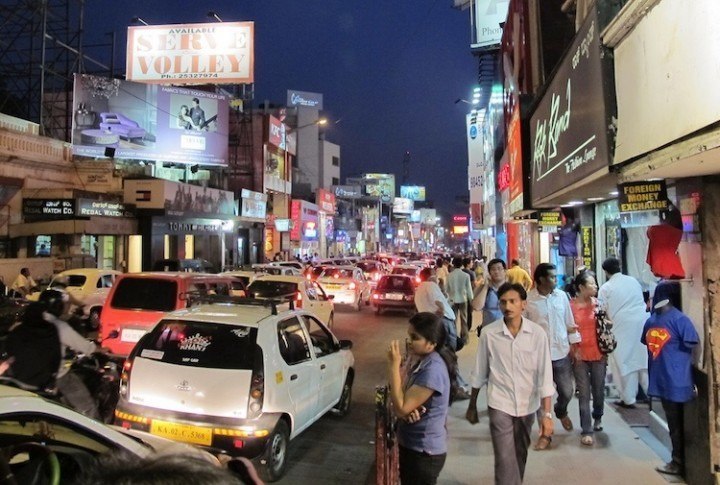
Photo credit: Crispin Semmens
MG Road is the jugular vein of Bangalore. An arty boulevard on one side, and a magnet for the hip set right opposite, with retail stores, restaurants, conglomerates, media offices, movie halls, banks, five-star hotels, churches, temples … And the fat road has a dozen tentacles with similar fixtures on them. This is the microcosm of modern India, breathing, heaving, and growing.
Unfortunately, everyone wants to be there. At least a quarter of Bangalore’s 8.5 million people seem to be in the area any given day. Driving through there is a nightmare. And if you dared to hope for a parking slot, squash it right now.
This was the reality that hit Arjun and Balram Jairaj when they came back to Bangalore after several years in the United States. The brothers had spent a chilled-out childhood playing, loafing, and hanging out with friends in the area, only to see their former romping grounds groan and creak as the city developed.
“We could no longer find a parking space anywhere close to where we wanted to go. And that was frustrating,” Balram tells me. He is the younger brother, the more outgoing and outspoken of the two. “The fear of not being able to find parking in central Bangalore was limiting us, hampering our quality of life,” he says. It didn’t take him long to convince Arjun who was then an analyst with Ernst & Young to quit and work on building a solution to Bangalore’s parking woes. The brothers were not techies, so they roped in John Seemon, who was working as a senior program manager with Symphony Teleca.
“We accepted the futility of expecting the city’s infrastructure to keep pace with the demand for parking spaces. So the question before us was: how do we reimagine the existing real estate in the city to meet the parking needs of its citizens,” Arjun says.
Plonk, a curated marketplace for parking slots, is what they arrived at. After a few weeks in private beta, the app launched today.
One road at a time

Plonk approached the parking problem at a micro level. And that meant a lot of leg work, one road at a time.
Balram, who dons the COO hat at Plonk, knocked on the doors of anybody with parking space to spare. This included homes with empty driveways when the owners were away at work, offices with empty basement parking in the evenings, apartments with huge basement parking, bus depots, and vacant plots with ominous signs saying “trespassers will be prosecuted.” It involved persuading a whole lot of cagey people who had never thought of letting strangers inside their gates.
But Balram is a charmer. He is 22 years old and can smile, laugh, and convince lazy building supervisors, muscled ruffians, feisty old ladies, and jetsetting office-goers about the utility of his app. “When there is a lack of parking everywhere, what better way than to incentivize landlords and create a new market? Real estate in the city is a valuable asset, so why not take the opportunity to earn additional revenue without having to invest any money and with very little effort?” he asked these owners and managers.
“All they had to do was to stick an A4-sized QR code at the entrance of their space. Sometimes it was very easy to convince the owners, but most times, ah, it took a lot of convincing,” Arjun adds.
The Plonk team also roped in a few conventional parking lot operators, who had inventory available.
Working the ropes





Stay updated on the go with our mobile app.
Get latest insights with smoother, more personalized experience through TIA mobile app.












📅 Upcoming Events
22 October 2026
Payoneer x CSPN Summit 2026