Steven Millward · · 3 min read
Baidu just acquired the startup building China’s answer to Alexa
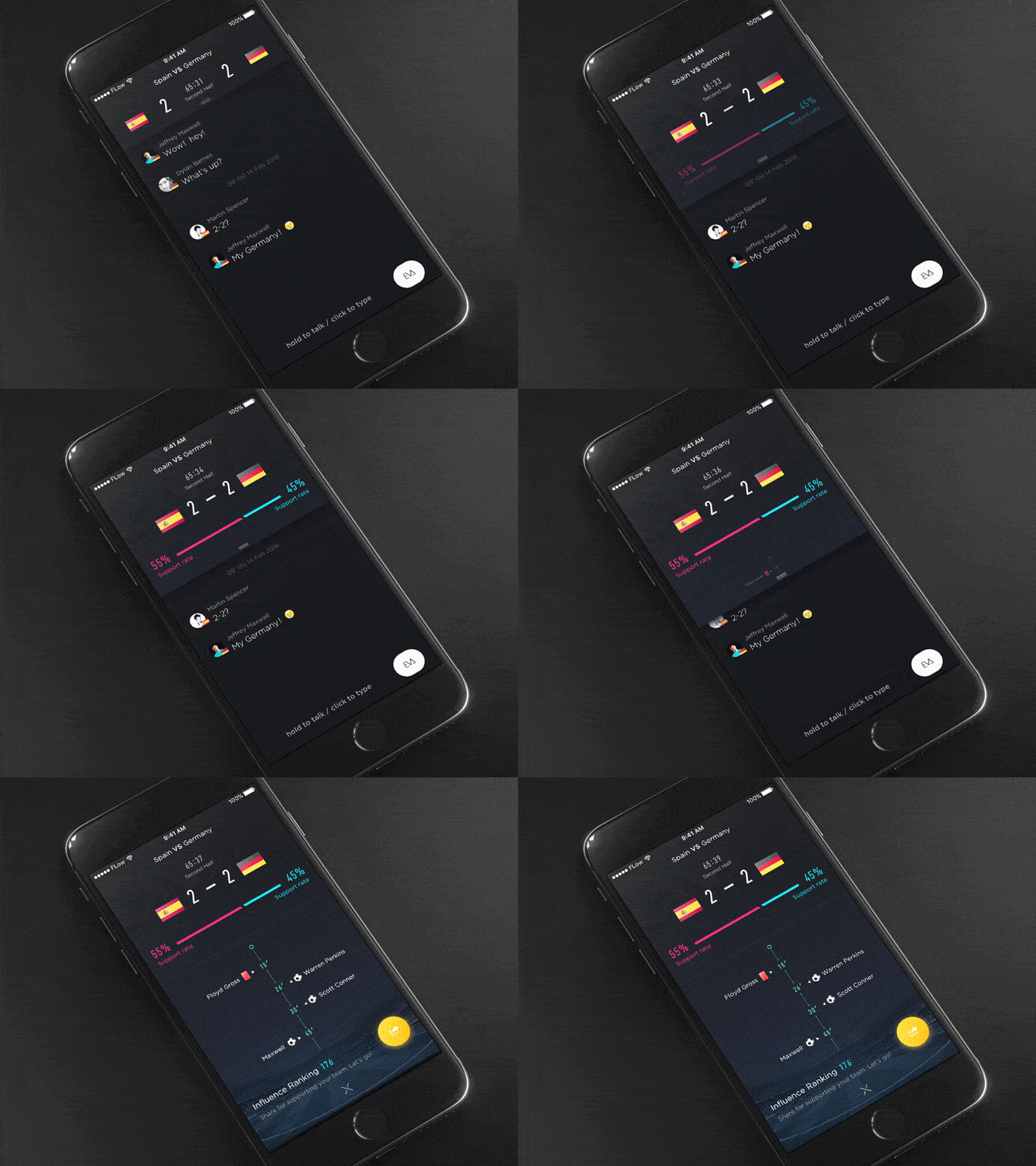
The Chinese startup’s voice assistant app in action giving football results. Photo credit: Raven Tech.
A Y Combinator-backed startup building China’s answer to Alexa has been acquired by Baidu, China’s top search engine, the companies announced this morning. The financial terms are not disclosed.
Raven Tech, with about US$18 million in funding in its pockets, created an AI-based voice assistant that it launched in an app called Flow.
That voice assistant is more comparable to Alexa than Siri, since it supports plugins that allow it to work with other web services. When Uber let Chinese companies tap into its ride-hailing system, Flow was one of the first apps to be ready, enabling users to grab a ride just by talking to the voice assistant, named Eva.
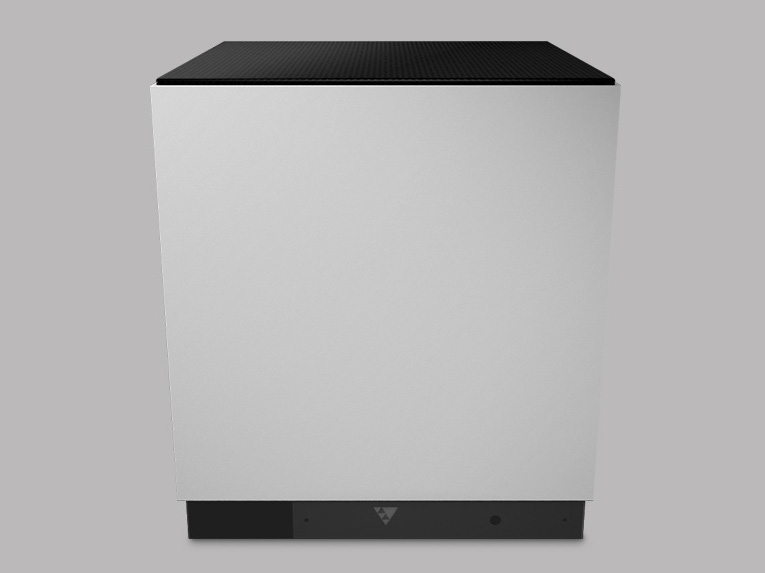
Photo credit: Raven Tech.
See: Here’s how Baidu’s founder thinks AI will change the world
Raven’s Flow app, however, hasn’t taken off in China – barely cracking the top 700 rankings in Apple’s China App Store – in the face of rival voice assistant apps from several Chinese tech giants, including Baidu and Xiaomi. Plus, Apple’s Siri speaks Chinese. Baidu’s own voice search app came out towards the end of 2012.
The Beijing-based startup dubs its AI assistant a “next-generation operating system” with a view to it being accessible on multiple devices. Following Amazon’s path, Raven has also come out with a home assistant gadget in the mold of the Echo, which it put up for crowdfunding in December.
Raven Tech declined to comment on the deal when reached by Tech in Asia.
Baidu already invests heavily in AI and natural language processing, most notably through its Silicon Valley lab, headed by its chief scientist, Andrew Ng. The US$65 billion search giant last month rolled out a talking robot on a popular Chinese reality TV show in a bid to show an AI-powered machine can beat the human contestants in complex trials involving face and voice recognition.
Ng last month said that artificial intelligence is “the new electricity.”
“The year 2017 will be a year of conversational computing,” said a Baidu spokesperson to Tech in Asia. To push that forward, Baidu has just set up a business unit devoted to its digital assistant, DuerOS – which literally means Du Assistant. Like the startup it just acquired, Baidu calls its AI platform an OS, aiming to embed it in as many gadgets as it can.
(Update, 40 minutes after publishing: Added in Ng’s words as well as a quote and some details from Baidu. The company declined to give information related to the deal size or whether all 60 Raven staff will work for Baidu.)





Stay updated on the go with our mobile app.
Get latest insights with smoother, more personalized experience through TIA mobile app.