- Premium Content It takes our newsroom weeks - if not months - to investigate and produce stories for our premium content. You can’t find them anywhere else.
 Elyssa Lopez · · 5 min read
Grab thinks AI agents can handle grocery shopping. Will SEA bite?
With additional reporting from Pranav Balakrishnan
After successfully convincing consumers in Southeast Asia to ride in a stranger’s car for a fee, Grab is taking a swing on another bold bet – that people will have AI agents do their grocery shopping.
In late October, the company launched a new service for GrabMart users in Singapore: ordering groceries through Meta’s Muse. It is one of the first use cases for agentic commerce in Asia outside of China.
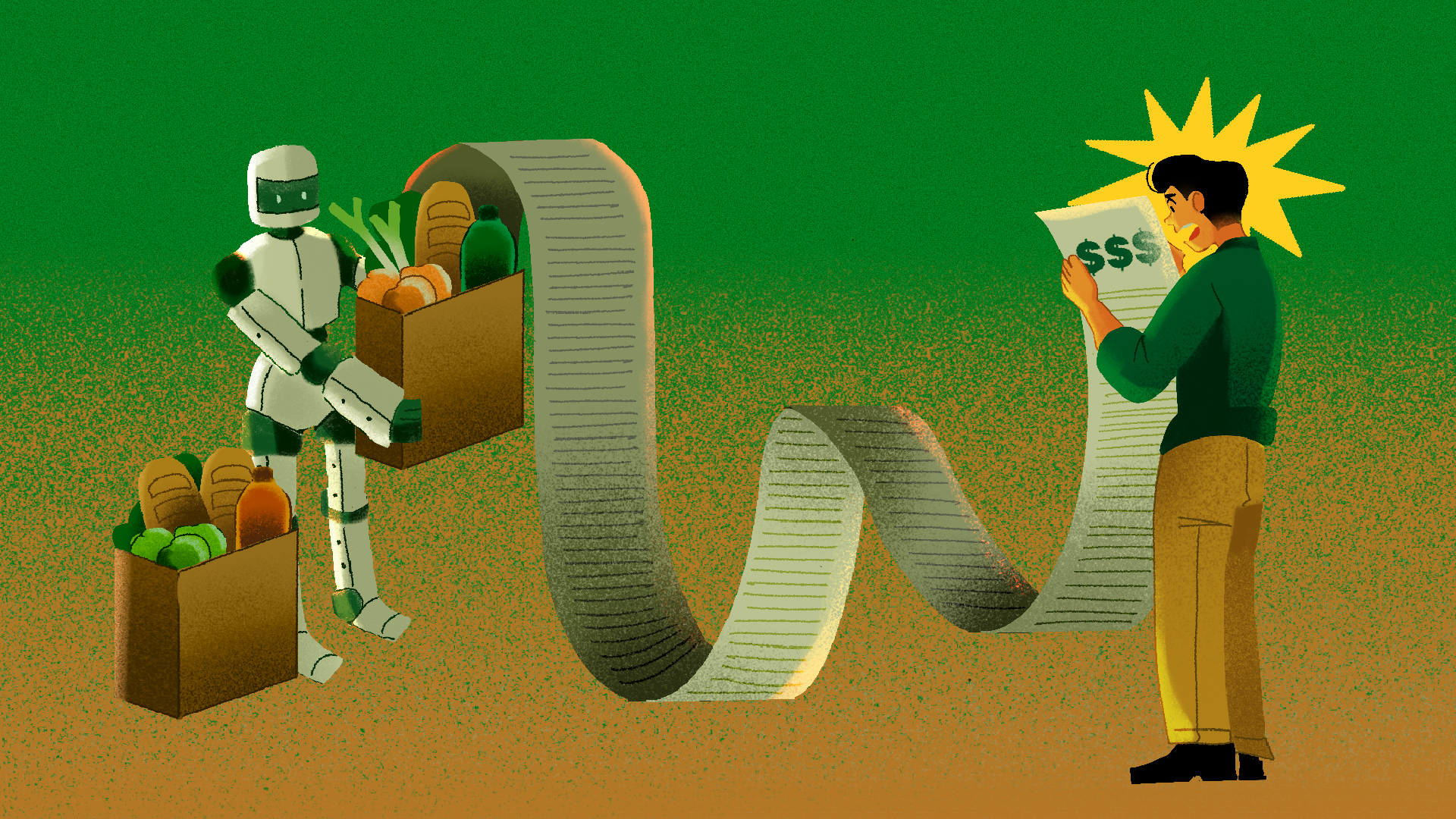
Image credit: Ulla
In May, Alibaba integrated Qwen into ecommerce marketplace Taobao, making about four billion SKUs accessible to its AI chatbot. Following the announcement, ecommerce analysts and operators in Southeast Asia speculated it was too early to launch that tech in the region. Even Alibaba’s Lazada said so.
See also: China lets AI do your shopping. SEA ain’t sold
Grab thinks otherwise. “Groceries are habitual. People buy pretty much the same basket every week, and that’s exactly the kind of task an agent does very well,” Grab chairman Anthony Tan said during its third quarter earnings call.
But while an AI agent can be systematic, the rest of the ecommerce supply chain may not be ready for the tech..
For one, the online shopping supply chain in Southeast Asia remains deeply fragmented, with platforms owned by one entity while logistics is provided by another. Grab is one of the few exemptions to that, even though GrabMart’s inventory is still owned by third parties.
While some commend Grab’s gusto to experiment with agentic commerce, many are wondering whether it can even be a viable service for the region. Are retailers and merchants ready to spend on AI tokens and squeeze their margins further amid a challenging macroeconomic environment?
Who pays?
At a time when token costs are a concern for any enterprise adopting AI, one of the most pressing questions in this partnership is who is taking on the cost of running Muse.
Tech in Asia was not able to determine whether Grab or Muse is shouldering the token costs. The partnership suggests Muse approached the Southeast Asian super app, but no other details on costs were announced.
Tech in Asia reached out to Grab for an interview but did not receive a response as of publication time.
While these giants may be subsidizing the service for now, analysts and startup operators that Tech in Asia spoke to say they don’t foresee retailers and merchants coughing up the extra costs of making their inventories available via the agentic platform.
“Incremental demand”
Stay ahead in Asia’s tech landscape
This is premium content. Subscribe to read the full story.
Retailers’ limited margins and expensive AI token costs, however, could hamper its full implementation, analysts say.
We know this is not ideal. ⌛ Sign up in 20 seconds. Cancel anytime.
Our subscriber community includes professionals from these companies: