- Premium Content It takes our newsroom weeks - if not months - to investigate and produce stories for our premium content. You can’t find them anywhere else.
 Katrina Balmaceda · · 7 min read
Ex-Grab Philippines head seizes a generational opportunity with new startup
The Philippine jeepney is marketed to tourists as a cultural symbol: It’s the colorful – sometimes garish – “king of the road” that embodies the country’s love of fun and festive spirit.
But the reality behind the cheerful image is much more dreary. Known colloquially as “jeep,” this public utility vehicle can pack in as many as 12 to 32 passengers, and commuting on it is often uncomfortable, unpredictable, and unsafe.
As all good startup stories go, the team behind Byahe saw the problem and decided they could solve it. The company’s CEO and co-founder, after all, is Brian Cu, the former country president of Grab Philippines.
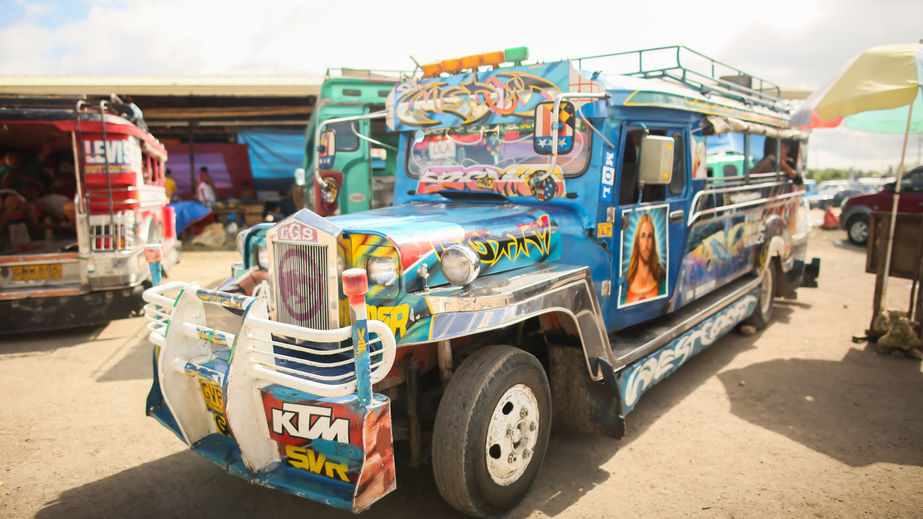
Photo credit: 123RF
His resume is strong. During his seven-year tenure at the ride-hailing firm Cu steered it through the Philippines’ thorny regulatory environment – a feat that rival Gojek has failed to achieve.
Cu’s experience in dealing with the country’s transportation regulators gives Byahe an edge, says Enrique Gonzalez, CEO of IP Ventures, an investor in the startup, which goes by the registered entity On-Us Solutions, Inc.
He is betting that Byahe is riding on an unstoppable wave. Shifting regulations are driving the modernization of the jeepney system, giving Byahe a “once-in-a-generation opportunity” to solve the Philippines’ mammoth public transportation problem.
A jeepney backgrounder
Around 235,000 registered and unregistered jeeps operate in the Philippines, according to Byahe. Among those, 54,800 units are registered in Metro Manila, a 16-city region with an area of 619.57 square kilometers.
Jeepneys originated from unserviceable US Army jeeps left behind in the country after World War II. Filipinos built a new body on the chassis, extended it to accommodate more passengers, and decorated it to their hearts’ content.
To build a jeepney these days, an engine and chassis would have to be imported, usually as “surplus” or second-hand materials from Japan. A local manufacturer would then add the body to complete the vehicle. An operator might buy a single jeepney or hundreds of them and lease each unit to a driver.
The operator would then apply for a franchise from the government to gain permission to ply certain routes. The government limits the number of franchise operators on each route.
This set-up is called the boundary system, and it’s blamed for many of the problems that plague public transportation in the Philippines.
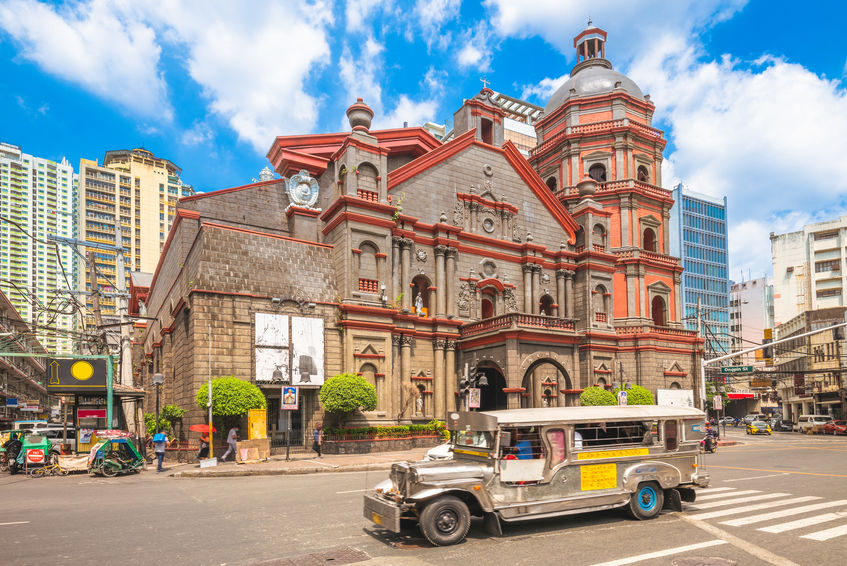
Photo credit: 123RF
Where Byahe comes in
Winning the government over
Stay ahead in Asia’s tech landscape
This is premium content. Subscribe to read the full story.
Regulations are driving the modernization of the Philippines’ jeepney system, giving Byahe a chance to solve the country’s transportation problems.
We know this is not ideal. ⌛ Sign up in 20 seconds. Cancel anytime.
Our subscriber community includes professionals from these companies:





Stay updated on the go with our mobile app.
Get latest insights with smoother, more personalized experience through TIA mobile app.











📅 Upcoming Events
22 October 2026
Payoneer x CSPN Summit 2026