- Premium Content It takes our newsroom weeks - if not months - to investigate and produce stories for our premium content. You can’t find them anywhere else.
 Steven Millward · · 5 min read
China’s profitable food delivery giant bodes well for Grab and Gojek
Unicorns are actually not so rare. But you know what is rare? A profitable unicorn.
And that’s what China’s Meituan is.
The popular app – which covers dozens of services from daily deals, food delivery, hotel booking, bicycle-sharing, cinema ticket booking, to ride-hailing – has recently turned profitable for the first time. It has posted US$2.5 billion in profit in the past six months, along with its sister app Dianping. That’s in stark contrast to most of Silicon Valley’s on-demand startups such as Uber, which has clocked in a shocking US$7.4 billion in losses in the first three quarters of 2019.
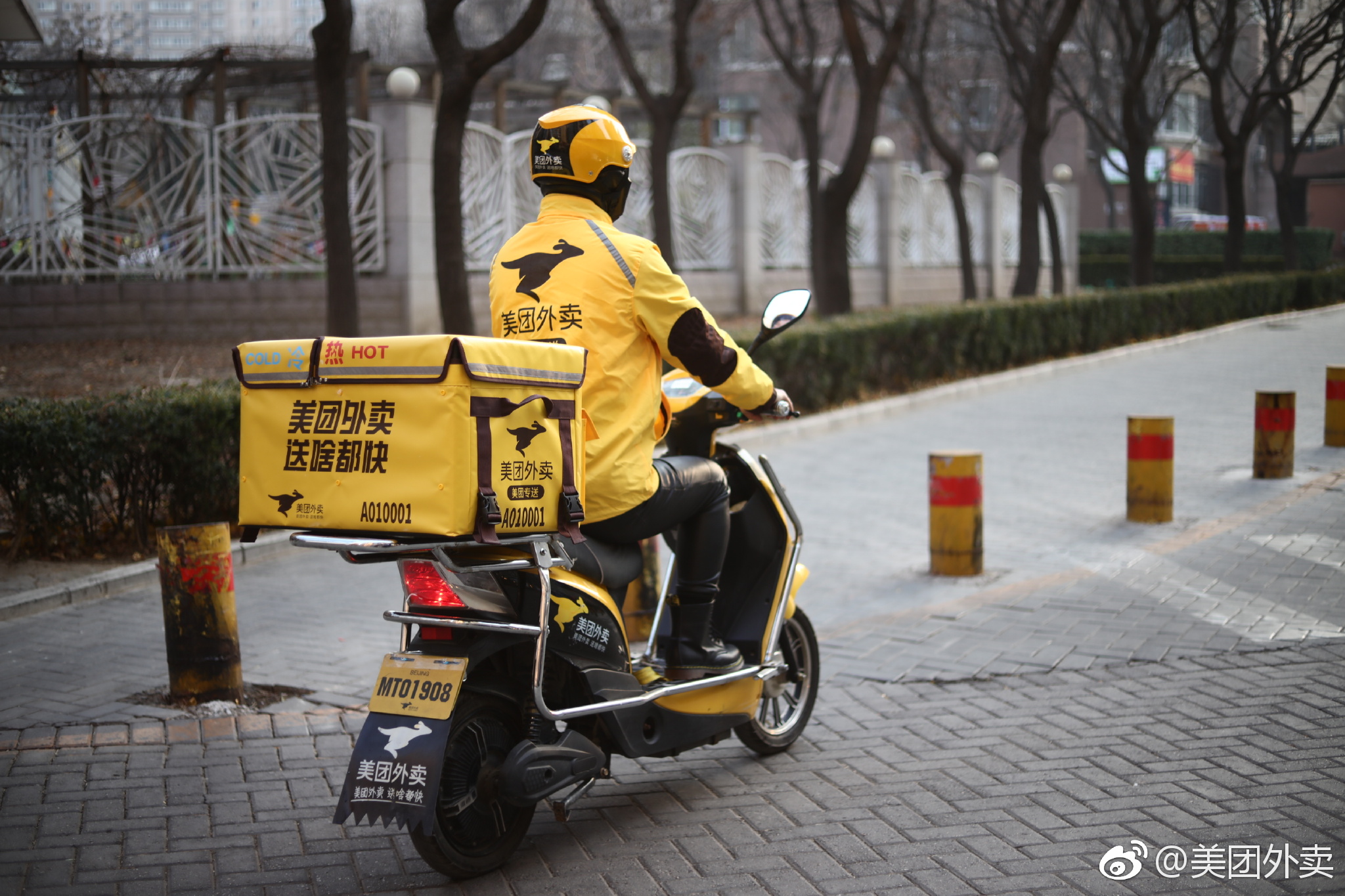
A Meituan delivery rider on an e-scooter / Photo credit: Meituan
Indeed, things are motoring along so nicely for Meituan that its shares are up by 36% from its initial public offering debut just over a year ago, hitting a valuation of US$68 billion. In comparison, the stock price of the US’ Grubhub has plummeted by 50% in the past 12 months.
This brings us to Grab and Gojek, Southeast Asia’s very own fast-growing super apps.
Both companies are expanding their roster of services so rapidly that, despite both starting as ride-hailing apps, they increasingly resemble Meituan rather than Uber.
Profitable unit
Just over half of Tencent-backed Meituan-Dianping’s revenue is from food deliveries, and that’s growing steadily despite strong opposition from Alibaba’s Ele.me.
Indeed, Meituan’s food unit is itself profitable. Here are the latest stats:
- It’s earned US$838 million in profits exclusively from food deliveries (Meituan Waimai) from April to September 2019.
- The company’s food delivery service is available in 2,500 cities and townships across China.
- It has an average of 700,000 active delivery riders each day.
Aside from the Alibaba threat, it’s also remarkable how food delivery can be the basis of a profitable firm even though the service is typically a low-margin business, with apps charging a tiny delivery fee that’s supplemented by taking a hidden cut from restaurants.
Looking at Meituan’s app right now, its customers are hit with only a 2 yuan charge – that’s US$0.28 – for delivery, despite nearby deliveries taking up around 20 minutes of a rider’s time.
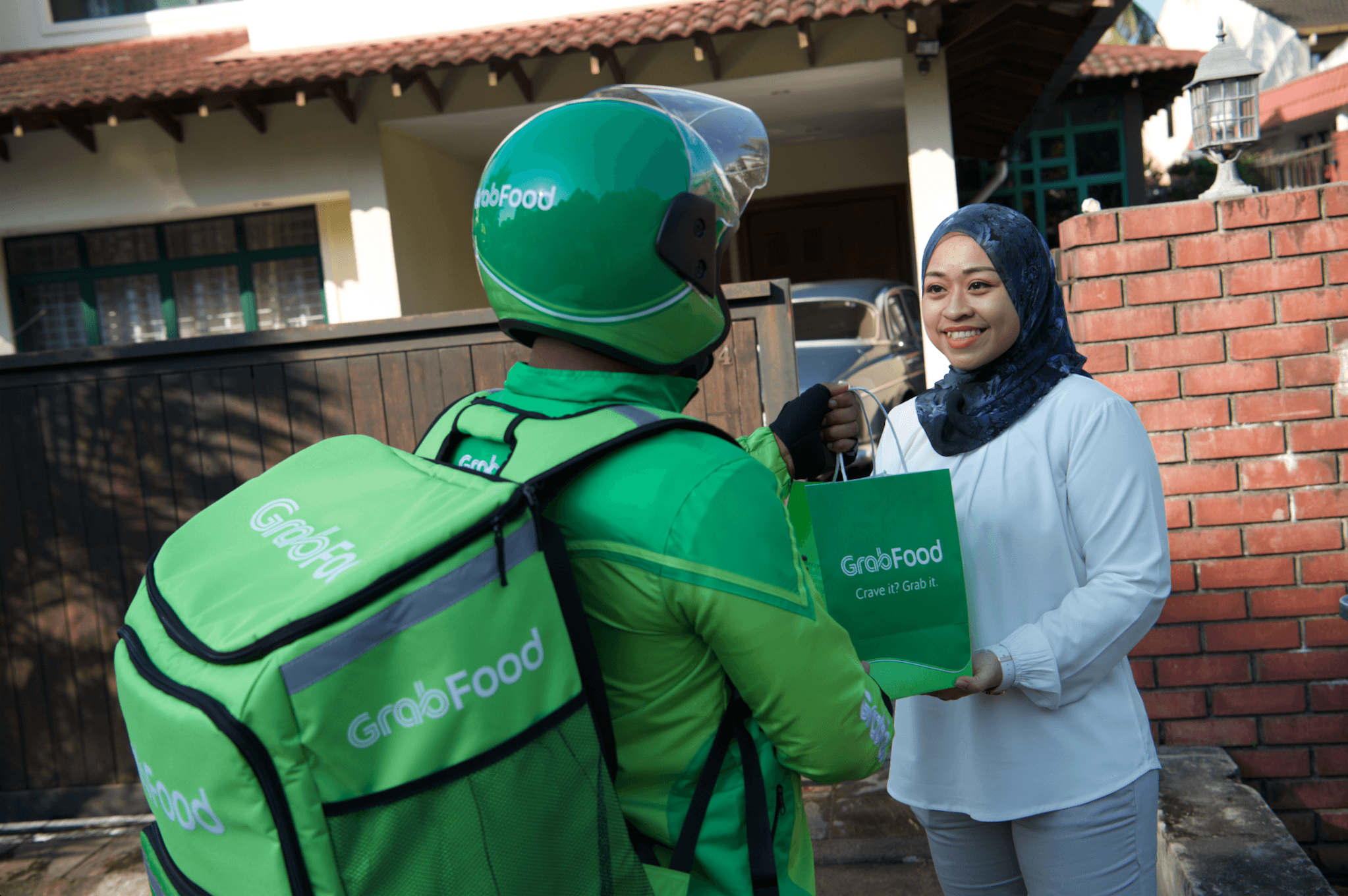
GrabFood / Photo credit: Grab
Sustainability
Hard lessons
Stay ahead in Asia’s tech landscape
This is premium content. Subscribe to read the full story.
Here’s why Southeast Asia’s “super apps” want to emulate China’s Meituan.
We know this is not ideal. ⌛ Sign up in 20 seconds. Cancel anytime.
Our subscriber community includes professionals from these companies:





Stay updated on the go with our mobile app.
Get latest insights with smoother, more personalized experience through TIA mobile app.










📅 Upcoming Events
22 October 2026
Payoneer x CSPN Summit 2026