Google has partnered with Wikipedia to make English-only content more accessible for Indonesians.
The US giant announced the tie-up, along with other partnerships and new products, at its annual Google for Indonesia event today.
Google will identify relevant Wikipedia articles that are only available in English and translate them into Bahasa Indonesia using its AI-powered neural machine translation system. Google will then “surface” these translated articles in search, said its Indonesia managing director in a blog post.
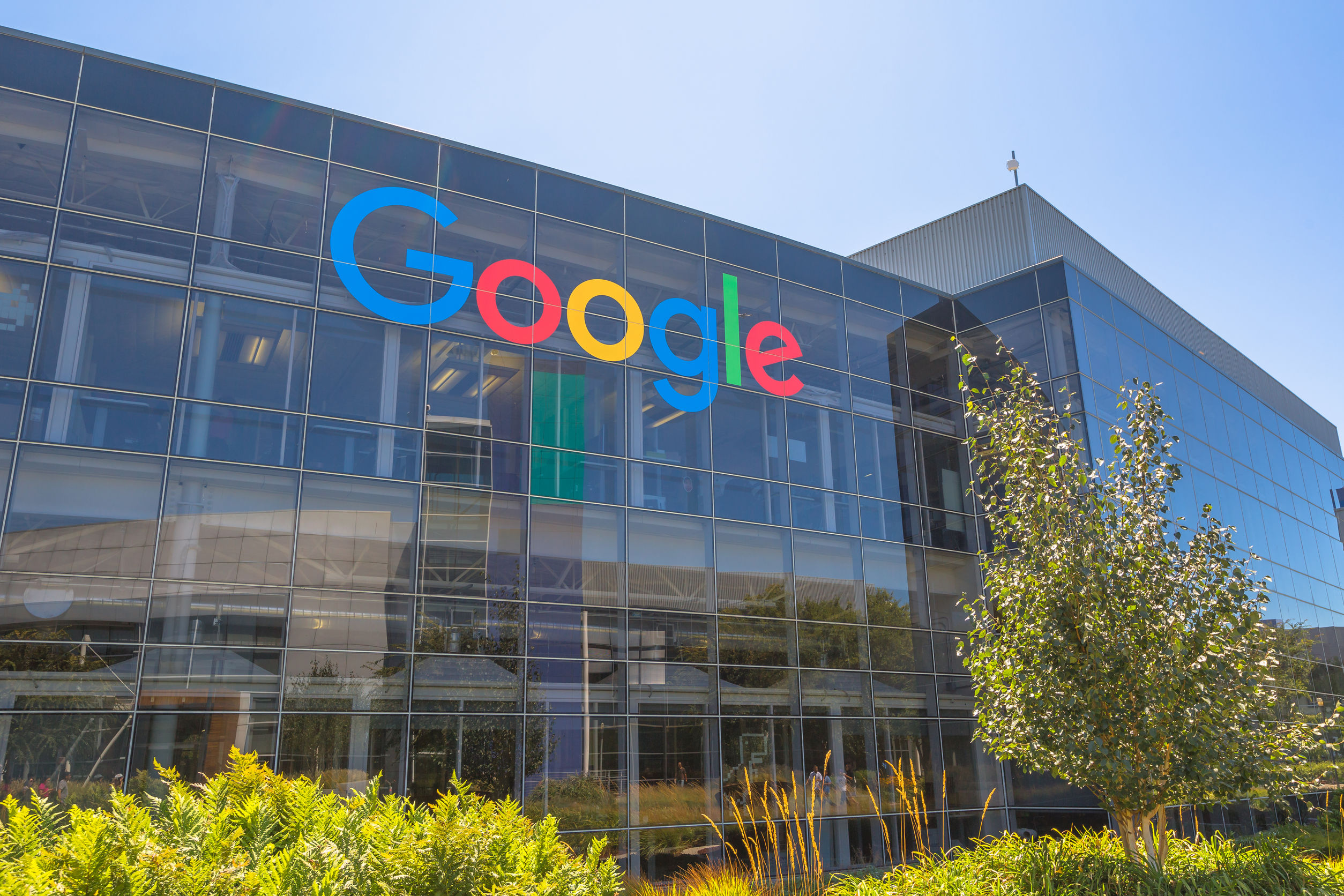
Google headquarters in Mountain View, United States. Photo credit: bennymarty / 123RF
The company sees a huge opportunity because less than 1 percent of online content is in Bahasa Indonesia. While the language accounts for a very small share of the pie, research from Statista says it still ranks among the top six most commonly used online.
If this collaboration is successful, Google could increase its popularity in Indonesia and gather text-based data to enhance its translation tool. It could also open up new partnerships with other online content providers to widen its reach.
However, this also brings into question just how accurate the company’s translations will be. A 2016 study by Indonesian researchers from Yogyakarta State University found that Google’s English to Bahasa Indonesia and Bahasa Indonesia to English translations were only accurate 49.1 percent and 37.1 percent of the time, respectively.
Google entered the Indonesian market, the largest and fastest-growing in the region, in 2012. Since then, it’s invested heavily in the archipelago offering training courses to over 1 million Indonesian small and medium-sized enterprises (SMEs) and looking to train 100,000 Indonesian mobile developers by 2020.
Other announcements
Google also announced that it’s looking to train another 1 million Indonesian SMEs by 2020.
It also said that its Google Assistant in Bahasa is “becoming even more useful—and even more Indonesian.” For example, Indonesians are now able to ask the assistant to book them rides without having to open apps and type in addresses, and read them the latest news.
But just like other voice apps, Google Assistant is still having difficulty comprehending various languages and accents.
Editing by Judith Balea and Eileen C. Ang
(And yes, we’re serious about ethics and transparency. More information here.)





Stay updated on the go with our mobile app.
Get latest insights with smoother, more personalized experience through TIA mobile app.











📅 Upcoming Events
22 October 2026
Payoneer x CSPN Summit 2026