
I have been working full-time as a desktop and web developer for over 8 years. A lot of things have changed in that time. We have had the uprising of TDD (Test driven development), cloud infrastructures, and more concrete programming patterns and styles.
Programming vs Stand-up Comedy
Earlier this year I decided to take up stand-up comedy as an evening hobby. Now you might be thinking “Josh, how does programming have anything to do with comedy?”. Well to me they are both just patterns. In programming you see patterns, and I do not not just mean Factory, Builder, etc. but the ability to spot how things work, break them down to their core to fully appreciate what something is, and how it does the thing it does. You are forever re-factoring how you once thought something should be done until you believe it is better than the previous iteration.
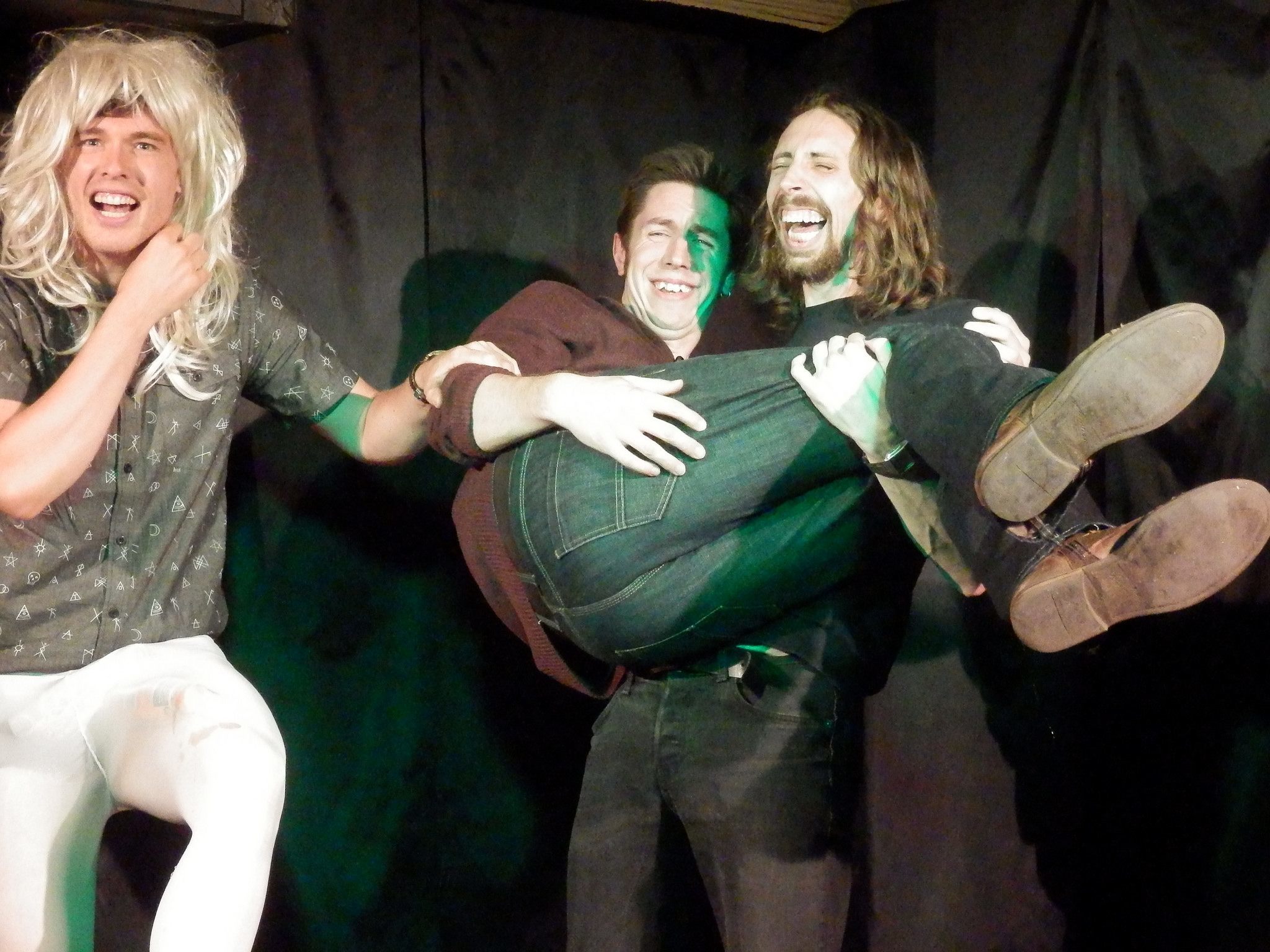
For me comedy is the same. I take a concept that I find novel / funny and I break down what made me laugh about that? At its core, what makes that a good joke. From there you start to watch your favourite sitcoms, comedy movies, stand-up comedy and realise everything is just formulas. Given different variables to achieve the same output… Laughter.
Testing, testing, testing
But the similarities do not end there. Being a developer I have to test my code. I myself use the TDD style of development (test first, code later). Testing is such an important aspect to not only programming but other aspects of life. Should I test if I can cook this Christmas dinner before Christmas? Yes, yes you should. I apply the same testing premises of unit, integration, and e2e in programming to stand-up. First, like any developer I work on the unit tests.
Unit tests, as the name suggests, are when you test a given isolated block of code which should not affect any other system or leave any state. After I have written a joke I take that single joke and tell it to my partner. If we both laugh then success! the test has passed. This test is isolated allowing me to access its quality purely on its own merit and not based on the state the previous joke left listener in. It is not of course stateless… As the listener will now feel either happy, or indifferent, therefore changing their emotional state. So I just go with the principle of ‘A joke a day keeps the emotional state away’.
Onto integration tests. Now any comedy routine is a series of jokes told one after the other. Some jokes work better when there is a joke prior to that joke which helps set the context. Now just like in programming integration tests are all about seeing if your test subject works with others, will it play nicely with the third-party services being used in your system. In comedy those services are your other jokes and your audience. Does your joke work better with younger or older demographics? Does the joke work better before or after another joke? And so on.
And lastly e2e tests. e2e tests describe an entire user journey (edge-2-edge). This can take the form of a user loading your website, clicking the login button, filling in their credentials, then clicking submit. You are essentially testing the entire journey works and goes the way you expect it to. In comedy the user journey is your set, your routine, your show. How did everything go down as a series of jokes. Was the audience able to perform laughter or was the CTA missing.
Programming has taught me many things in life, and helped me become a better person in lots of ways. I think everyone should try programming, not as a career, but definitely to see the wonders of creativity that it can behold.





Stay updated on the go with our mobile app.
Get latest insights with smoother, more personalized experience through TIA mobile app.












📅 Upcoming Events
22 October 2026
Payoneer x CSPN Summit 2026