J.T. Quigley · · 4 min read
5 Japanese hardware startups ready to hit the mass market
Hardware is, well, hard. From concept to prototype to final product, hardware startups face a multitude of hurdles. Once the software is written, the components are sourced, and the soldering is finished, then the real challenge appears. Instead of simply getting approval on a digital app store, a hardware startup has to strike deals with factories and line up physical distribution channels.
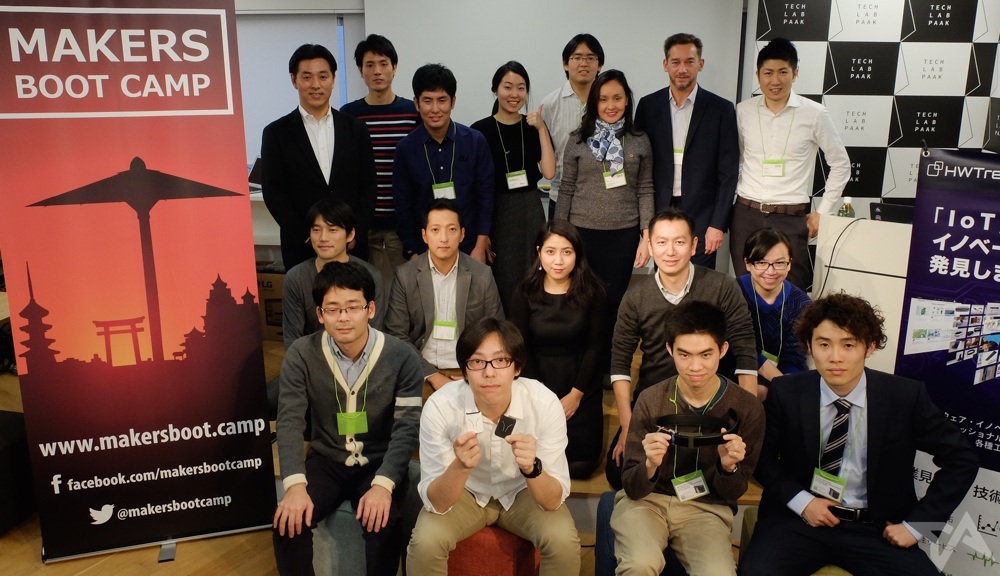
While Tokyo is the epicenter of Japan’s burgeoning startup ecosystem, it’s the ancient city of Kyoto where the Makers Boot Camp hardware incubator decided to set up shop. The area is not just home to temples and geisha, it’s also a domestic manufacturing hub.
Makers Boot Camp invited a group of promising hardware startups from around Japan to spend six months bringing their rough prototypes to distribution-ready finished products. The following five are our favorites from demo day in Tokyo earlier this week, and each is on the cusp of consumer release.
Chikaku
There are countless apps and services available for sharing digital photos and videos with loved ones, but there’s a glaring problem. Not everyone in the family has a smartphone or computer, and when it comes to elderly relatives, some might not be able to grasp the required technology in the first place.
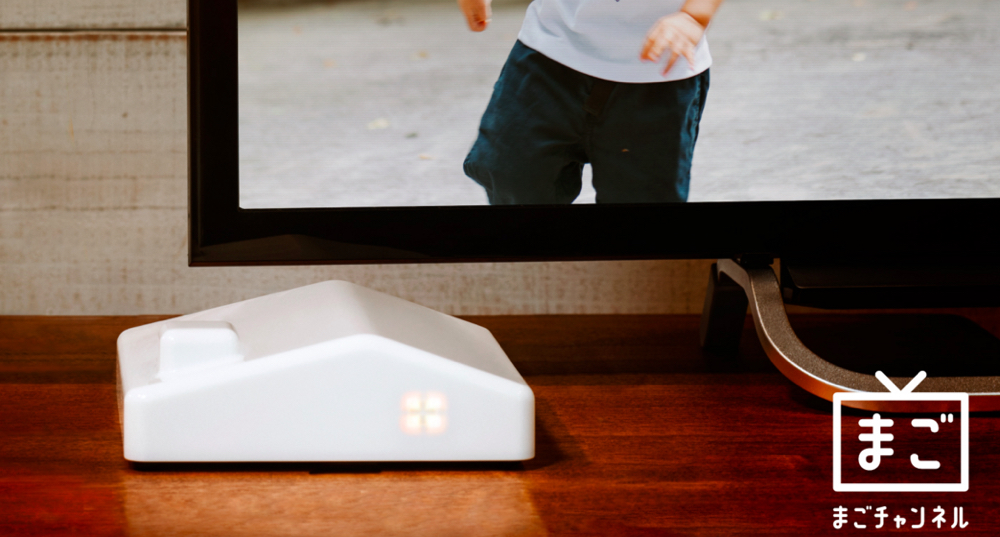
There is one bit of tech that most elderly folks know how to navigate, however – the living room television set. Chikaku makes a set-top-box of sorts, called Mago Channel, which allows grandma and grandpa to view family pictures and videos on a dedicated TV channel. All they need is the TV’s existing remote control. No wifi is necessary, as the box has a built-in 4G/LTE module. An LED on the front of the box lets family know when new images are received, and a companion app tells the sender when they are viewed.
Chikaku’s founder spent more than a decade at Apple and realized that something like Apple TV was just too technical for older, less technologically-inclined users.
Coban
Emoney cards are ubiquitous in Japan, especially for the country’s train commuters. Much more than a commuter pass, the country’s emoney cards can be used to buy everything from ramen noodles to a new pair of kicks. They’re used so frequently that it’s often hard to keep track of the balance – most people only know how much is left when they tap the entrance gate to the subway.
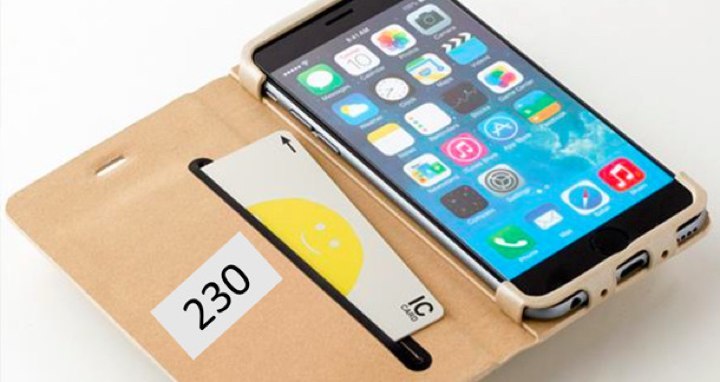
Coban makes pass cases with e-ink displays that show an emoney card’s balance once it’s inserted. The startup plans to release this in March 2016 for JPY 2,980 (US$24) and says its tech is compatible with popular emoney cards in Hong Kong, Singapore, and Taiwan.
Waiston
Atmoph
Up Performa





Stay updated on the go with our mobile app.
Get latest insights with smoother, more personalized experience through TIA mobile app.