- Premium Content It takes our newsroom weeks - if not months - to investigate and produce stories for our premium content. You can’t find them anywhere else.
 Rachel Chitra · · 6 min read
How generative AI can transform banking via bots and streamlining the backend
When ChatGPT was released November 2022, it caused quite the stir. From fraud detection to loan origination, it had plenty of use cases for the banking industry.
But long before its launch, banks in Asia and their software solution providers had already tapped the platform’s non-interactive predecessor, GPT-3.
To save on labor costs, some banks were using GPT-3 for their chatbots, while others were using pre-written sets of code from GPT-3 for their back-end code development.
Banks are also developing their in-house generative AI models. However, given that regulation around usage of this tech is still a gray area, banks say they are currently using this only in pilots.
Back to the ‘80s
If there’s one major area that generative AI could transform, it’s customer service. By using this tech, companies can offer real-time support that is as easy as talking to a friend.
This does not have to be restricted to the English language, enabling customers to give their bank instructions in Indonesian, Javanese, or Mandarin.

Image credit: Timmy Loen
Trustt, a SaaS cloud banking platform based in India, aims to make this possible with a new product. Called Trustt GPT, it will be launched in Southeast Asia in the next six months.
The company counts three financial institutions in India and the US as clients. Its product supports 12 Indian languages, including Tamil, Kannada, and Hindi.
Ironically, Trustt wants to use tech to take us back to a simpler time.
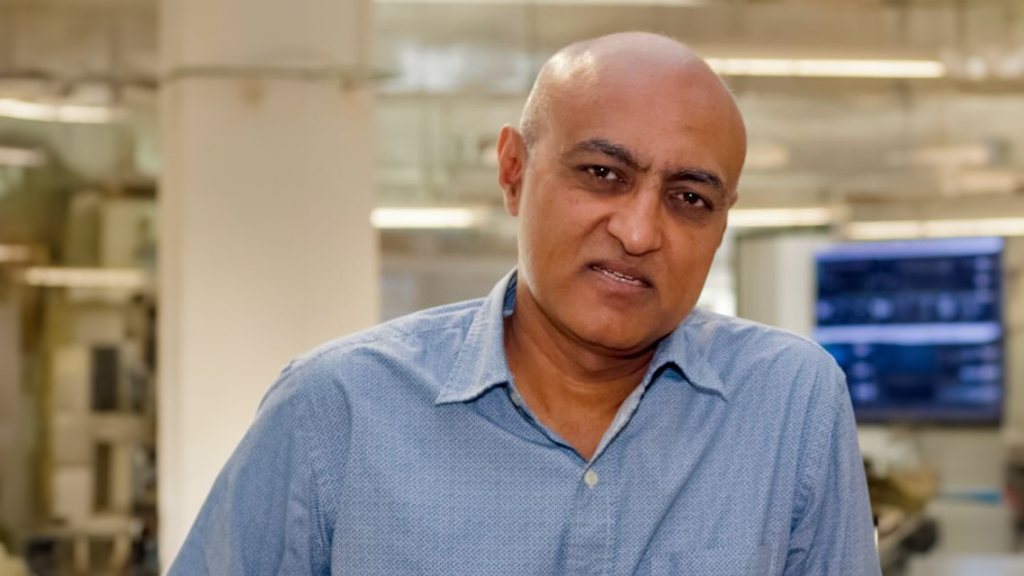
Srikanth Nadhamuni, the company’s chairman and co-founder, hopes to make banking as personalized as it was in the ‘80s.
He recalls how when he was 12 years old, his mother took him to the Mysore branch of Indian lender Canara Bank to open a kiddie savings account. “The experience was easy and understandable despite my age. I want to bring this seamlessness back,” says Nadhamuni.
This is where generative AI can play a role. While many banks and insurance companies have been using non-generative AI for their chatbots for several years now, they can “at times fail in recognizing emotions like anger, humor, and sarcasm,” he observes.
Crunching info in seconds
KYC covered
Security and compliance worries
Stay ahead in Asia’s tech landscape
This is premium content. Subscribe to read the full story.
This new tech can transform how banks operate, but concerns over regulation, data security, and systemic biases will act as a constraint.
We know this is not ideal. ⌛ Sign up in 20 seconds. Cancel anytime.
Our subscriber community includes professionals from these companies:





Stay updated on the go with our mobile app.
Get latest insights with smoother, more personalized experience through TIA mobile app.