 Kylee McIntyre · · 6 min read
This community-based travel startup wants to beat Airbnb at its own game

Photo credit: tomwang / 123RF.
A while back, travel industry veteran Vikram Ahuja was approached by a man with a request: could he organize a group trip to nudist-friendly destinations – such as southern France or the east coast of India?
“I was like yeah, sure, hell yeah, for sure,” Vikram tells Tech in Asia. “If you’ve got people who want to do it, absolutely.”
For Vikram, this is the beauty of community-based travel: it helps small and relatively unorganized communities who have the same lifestyle or hobby find each other, and have an immersive travel experience together. So in 2014, he set up his startup Byond Travel, which curates such experiences for a number of communities, including women, “the golden club” (adults over the age of 65), families, and people who love yoga, adventure, cycling, and music and dance.
A group setting is ideal for travelers, especially those who want to go to places that may have an unsafe reputation.
Last month, Airbnb launched a similar service called Trips, which was meant to expand Airbnb from a lodging portal to a platform for community immersion. With 500 experiences available in 12 cities worldwide so far, users can now book itineraries centered around breweries, music and concerts, fire spinning, burlesque, and even social impact.
But Byond seeks to differentiate itself by bringing together people in a common demographic or with a shared passion, then curating a local experience tailored to them. Most of Byond’s travelers are solo adventurers and come to the startup through community leaders – yoga teachers, salsa instructors, etc. A photography-centric group going to Bhutan, for example, visits more scenic areas and have time to take pictures, whereas a self-drive trip in Bhutan spends more time on the road.
Each group on a trip consists of 10 to 12 people. Vikram explains a group setting is ideal for travelers, especially those who want to go to places that may have an unsafe reputation like Cuba, Iran, and Turkey.
He laughs when I ask him about curating the people who sign up to go on the trips. “I wish,” he jokes. It’s an area where the company has room for improvement.
Traveler red flags include people who don’t do well with groups, people who are extremely particular, people who are “too rude,” and someone who won’t pay the set price. Byond has refunded money before in the middle of a trip because of one of those reasons.
See: Big data and machine learning liven up the Indian online travel space
Logistics and localization
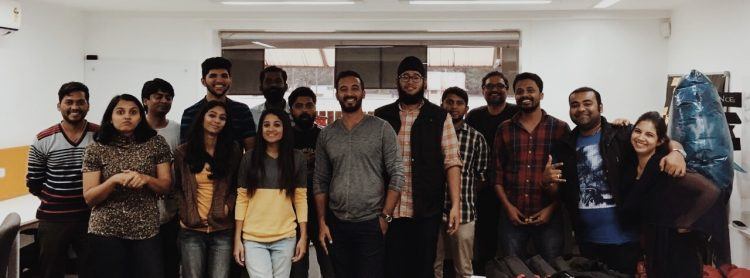
Byond’s team. Photo credit: Byond Travel.
Vikram is a multi-talented individual. He’s got a background in writing, acting, dancing, and directing, which comes across in the animated and comfortable way he speaks. He previously worked as a consultant in San Francisco, then in Dubai at deals site Cobone and its travel spinoff Triperna.
How it makes money





Stay updated on the go with our mobile app.
Get latest insights with smoother, more personalized experience through TIA mobile app.













📅 Upcoming Events
22 October 2026
Payoneer x CSPN Summit 2026