When news came that future Huawei smartphones will no longer come with Google apps like Google Maps and the Google Play store, it’s likely that most American consumers reacted with a collective shrug. After all, Huawei handsets – save for a few models from sub-brand Honor – aren’t officially sold in the US.
But there are other Chinese gadgets far more popular with American shoppers that might fall victim to the brewing US tech war with China.
Laptops
Lenovo is one of the top three PC vendors in the US. As with all PC makers that rely on Chinese factories, Lenovo is facing new potential tariffs proposed by US President Donald Trump earlier this month. The plan, scheduled for a public hearing in June, will tax laptop imports by up to 25%.
Lenovo has said it can move more of its manufacturing outside China if the tariffs become too high. Other companies with less flexible arrangements, though, may not have that luxury in the short run.
Adjusting supply chains is also costly. Apple, for instance, currently assembles most of its MacBooks in China, according to a Jeffries analyst. The supply chain and skills of overseas workers are just a couple of reasons Apple co-founder Steve Jobs told then-US President Barack Obama, “Those jobs aren’t coming back [to the US].”
In any case, it’s likely that at least some PC makers will have to cover the new tax by raising product prices. It’s a cost that consumers will have to bear.
Smartphones
Smartphones are also subject to Trump’s new tariff plan.
Although US sellers carry few Chinese handset brands, one notable exception is OnePlus. It was T-Mobile’s fourth best-selling brand in the last quarter of 2018, according to Counterpoint Research. It’s also the fifth most popular high-end smartphone in the US.
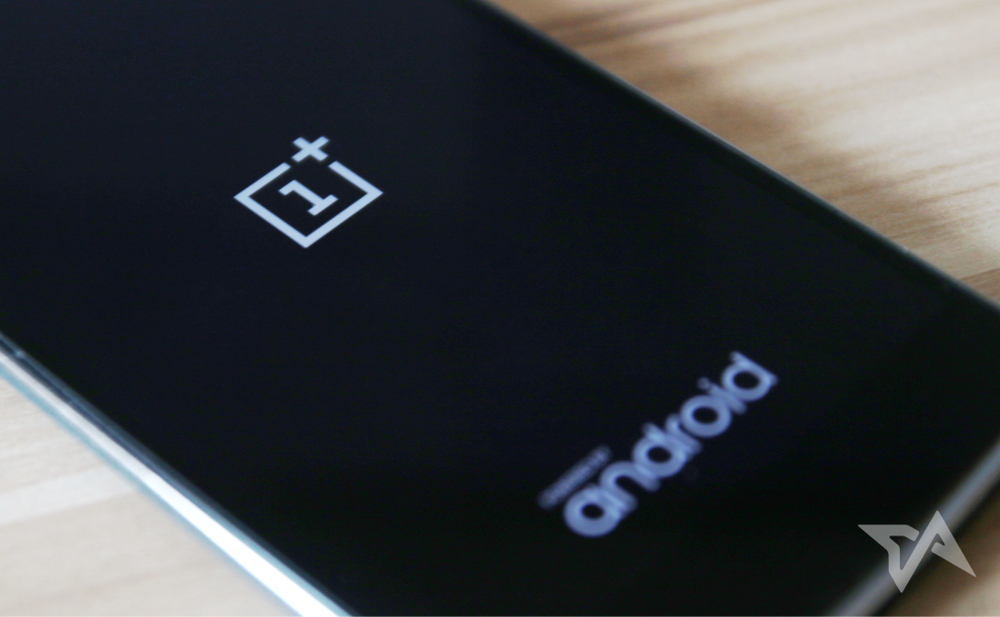
OnePlus produces many of its phones in China, although it does have facilities in other parts of the world. Any handsets shipped from China now face an import tax as high as 25%.
Again, it’s not just OnePlus and other Chinese phones that could be impacted. Apple, whose iPhones are assembled in China, could also suffer.
(We have reached out to OnePlus for comment and will update this story if we hear back.)
Drones
If you own a hobbyist drone, chances are it’s either a Phantom, Mavic, or Spark from DJI. It’s been estimated that the Chinese company makes nearly 80% of the drones sold in North America.
There are now questions about the future of these aerial vehicles. Earlier this week, the Department of Homeland Security issued an alert, warning US companies about security risks associated with Chinese-built drones. This comes two years after the US Army banned DJI drones over security concerns, though DJI has maintained it doesn’t send user data back to China.
Chinese-made chargers and cables





Stay updated on the go with our mobile app.
Get latest insights with smoother, more personalized experience through TIA mobile app.












📅 Upcoming Events
22 October 2026
Payoneer x CSPN Summit 2026