Elaine Ramirez · · 5 min read
LED lamp powered by a candle wants to light up developing nations
Jehwan Park, 28, is from a Korea of bright lights and rapid development. Even though South Korea was mired in poverty just decades before, blackouts in one of Asia’s fastest-growing countries were an anomaly by the time he grew up in the 1990s and 2000s.
When Jehwan was traveling in India in 2014, he was shocked to learn that more than a fifth of the country’s 1.2 billion people still lack regular access to electricity. Power shortages are a reality for 18 percent of the world’s population, the vast majority living in the rural regions of developing Asian countries such as India and the Philippines, as well as sub-Saharan Africa.
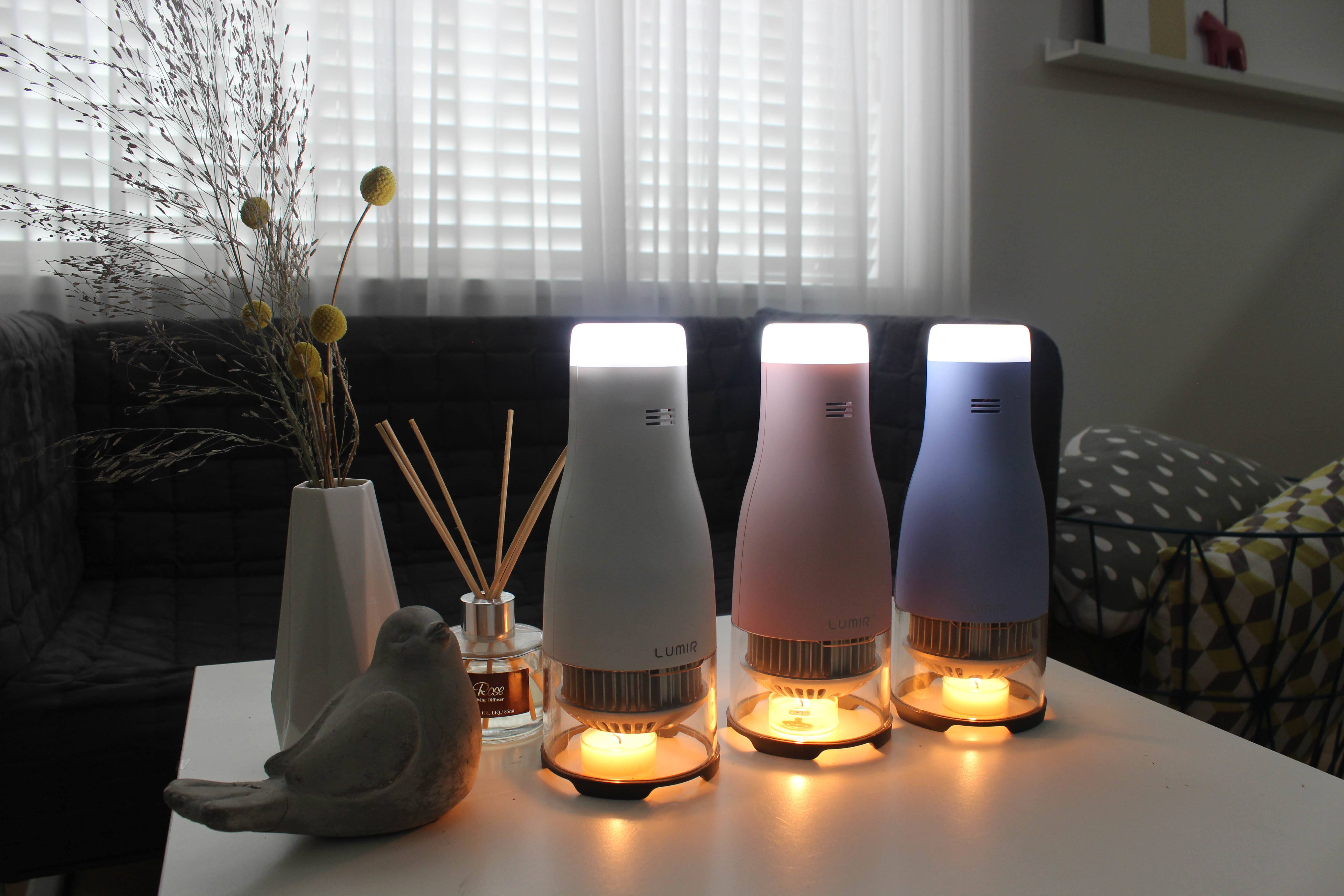
The Lumir C Mood, available on Kickstarter, emits an ambient LED glow 15 times stronger than candlelight.
Jehwan also learned that households in those regions spend one-third of their income on kerosene to light up their homes. In the Philippines, households spend more on power than the Japanese.
I want everybody, especially children, to live with enough light.
Returning home, Jehwan sought a solution – to light up an entire room using just a candle. He founded the startup Lumir later that year. Today, he’s releasing the first product, the Lumir C, which turns a candle’s heat into electrical light. It’s a springboard for the startup’s aim to power poor households.
“I want everybody, especially children, to live with enough light and lead more comfortable lives,” Jehwan, Lumir’s sole founder and CEO, tells Tech in Asia. “A candle-powered lamp cannot solve all their problems about food, clothing, and shelter right now. But it will enable them to study at night and to know that they can also dream about their future. That’s what I want to achieve.”
More reliable than solar
While solar products are popular lighting alternatives there, they have their own barriers such as weather dependence and battery issues, Jehwan says. Candles, on the other hand, are common and inexpensive.
He put school on hold, and his team went to work on the idea. The heat from the flame rises into the device, where the temperature difference between hot and cool air generates thermoelectricity, a principle known as the Seebeck effect. Then the lighthouse-shaped device channels the energy into an LED at the top that is 15 to 60 times stronger than candlelight.
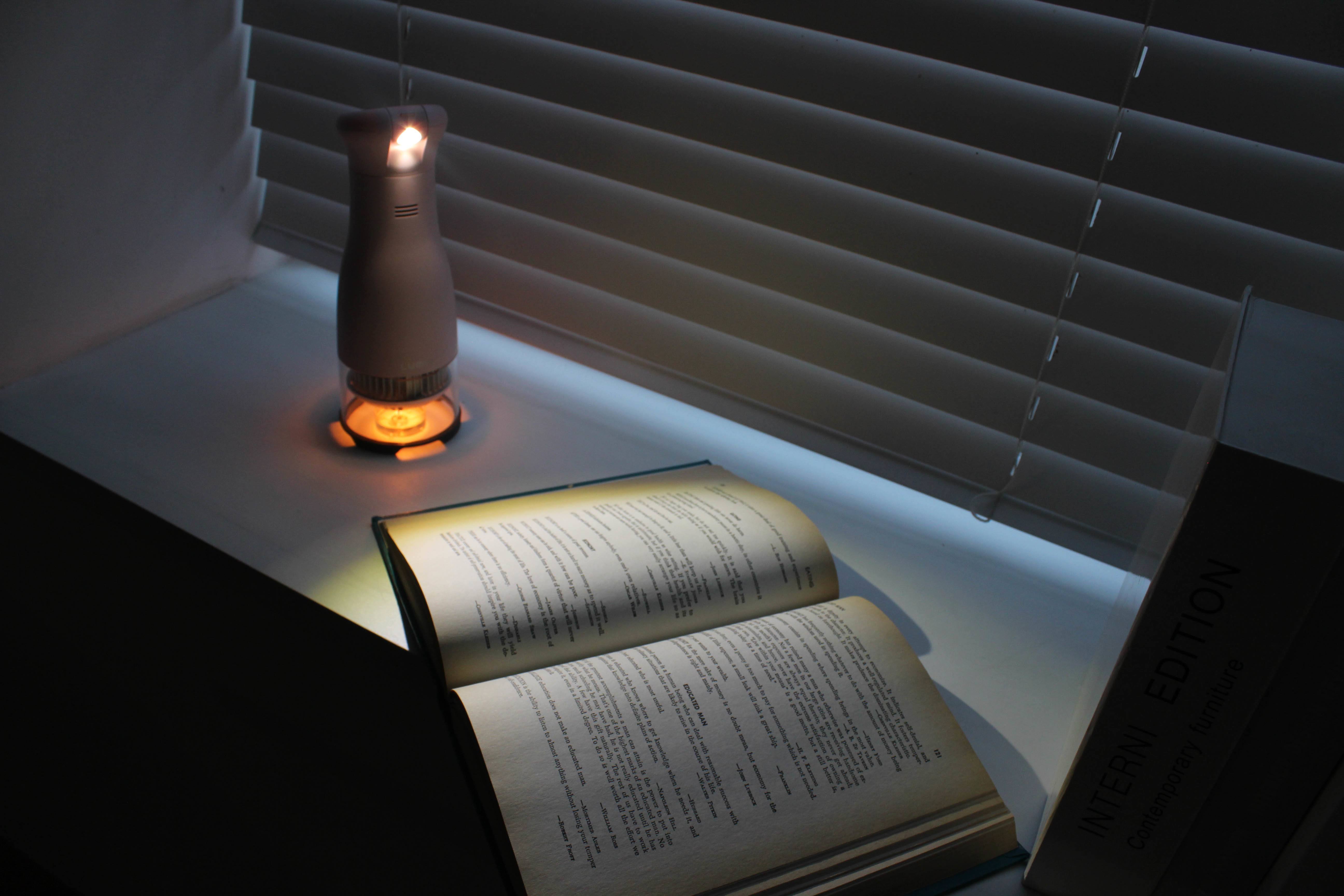
The Lumir C Spot has an adjustable, 60-lumen LED light ideal for reading.
But the solution was not as simple – or cheap – as they’d hoped, forcing the team to alter their social venture strategy. Because of the metal parts and engineering required to stabilize the flickering power source, they realized they couldn’t lower the cost for the product to be affordable for its target market. So they decided to create two models – one for developing countries, and the other for home décor.
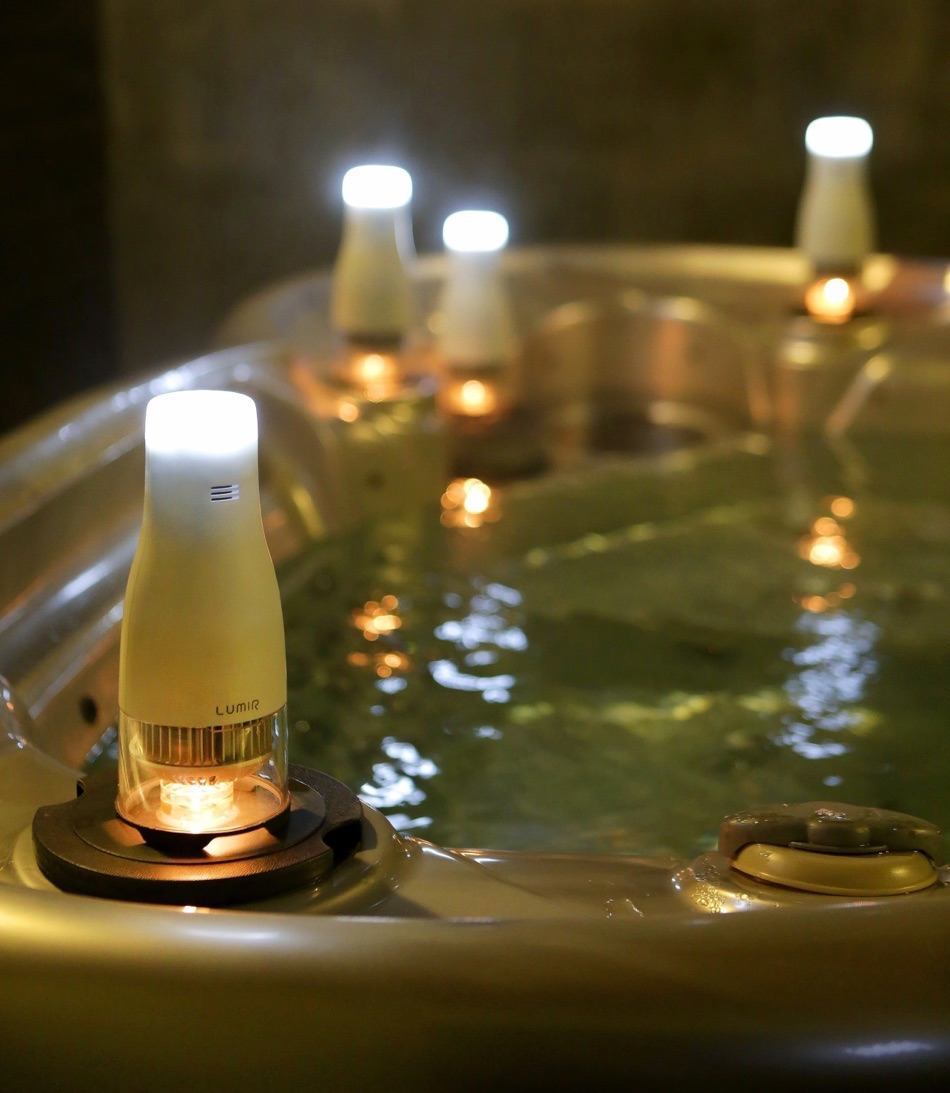
The Lumir C Mood.
Fulfilling the vision





Stay updated on the go with our mobile app.
Get latest insights with smoother, more personalized experience through TIA mobile app.