The end of Singapore Inc. Concluded
Details
Time: Invalid Date to Invalid Date (GMTInvalid Date)
Location:
RSVP
Want to join this and get unlimited access to all events? Subscribe for just US$0.55/day.
Or purchase a single pass at $49.
Already a subscriber? Log in here.
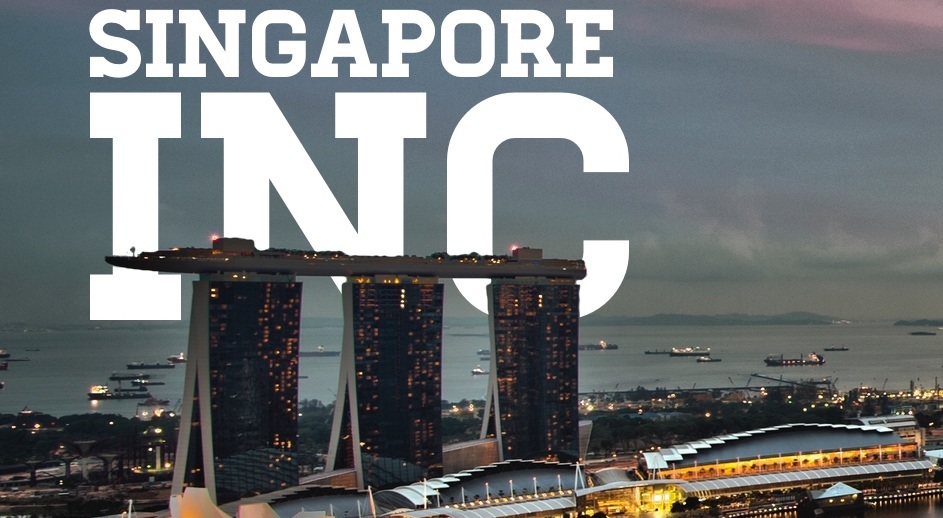
The contrast is stunning. Expats I speak to view this country with unbridled optimism – a clean, green, corruption-free city that’s the envy of the world.
However, the mood among locals – some of them at least – is more dour. They think Singapore’s heyday has passed, and the time for its tumble is just around the corner.
A friend of mine is convinced Singaporeans should have a migration plan in case things really go south.
I’m not as pessimistic, but I share his concern. Singapore can be likened to a successful multi-national company at its apex. But the tectonic plates are shifting, and a sudden jolt could shake Singapore from the throne.
To see how Singapore can be dislodged, let’s break down what makes its economy such a powerhouse in the first place.
Sweetspot
Singapore won the geographical lottery. Unlike Indonesia, it’s earthquake-free. It doesn’t face regular typhoons like the Philippines. It’s shielded from tsunamis too.
It’s situated at the gateway between East and West, making Singapore a perfect seaport for global commerce.
Singapore Inc is also powered by its many government-linked corporations, which play an enormous role in the local economy. From transportation to the media to telecommunications, these companies made their fortune by becoming staples in everyday Singapore.
Singapore needs to build a core of highly intelligent, ambitious, and engineering-focused entrepreneurs to tackle global problems.
This went on for decades. But an ambush has been taking shape in recent years, and the pirates are now ready to pounce.
The first signs of change came in the 90s, when Microsoft monopolized the computing world. It didn’t matter where in the world you were: your computer ran Windows.
Meanwhile, many of Singapore’s enterprises were content with local or regional dominance, unaware that global powers would soon out-maneuver them.
Singapore Inc under threat
Today, internet companies are increasingly going after other industries. They’re spilling over from the world of bits into the world of atoms.
To illustrate the threat they represent to the status quo, I’ve compiled a table showing some of Singapore’s government-linked corporations (GLCs) and important industries, and put them side-by-side with tech companies or trends that could usurp them.
| Industries | GLCs | Industry’s % of GDP | Threats |
|---|---|---|---|
| Total: 46.9% | |||
| Retail, F&B, transportation, logistics | Capitaland, SingPost, SMRT, ComfortDelGro | ~14% (here and here) | Alibaba, Amazon, Lazada, Grab, Uber |
| Media | Mediacorp, Singapore Press Holdings (SPH) | 4.4% | Netflix, Facebook, Buzzfeed |
| Communications | Singtel | 4% | Skype, Whatsapp, WeChat, drones, balloons, and satellites |
| Maritime | Port Authority of Singapore, Neptune Orient Lines | 7% | Kra Canal, Northern Sea Route |
| Finance | DBS Bank | 12.5% | Blockchain |
| Oil refinery | None | 5% | Tesla, Solar City |
The table is of course an oversimplification. But it shows how at least half of Singapore’s industries could be due for a shake-up in the decades ahead.
Given how tech savvy the Prime Minister is (ohmagawd, he can code!), you’d expect Singapore to be nimble in the face of technological change.
A report card

SingPost is testing drone deliveries. Image credit: Ed Schipul.
For now, Singapore appears to be holding its ground.
SingPost has ridden the ecommerce wave admirably by transforming from a postal company into a logistics company. Singtel is in the midst of becoming a company with more diverse businesses, and Singapore’s banks are already looking into blockchain.
The government, meanwhile, is making concerted moves to attract tech startups and talent to work in the country. It gets the create-a-knowledge-economy-or-die philosophy.
Some developments are not as upbeat though.
Mediacorp and SPH don’t seem to have figured out how to monetize online media. Strict media regulations have given them the advantage with local politics and policy coverage, but on all other grounds they’re losing relevance. Fortunately, they have deep pockets, buying them time to figure things out.
Transport operator ComfortDelGro, meanwhile, appears to have been asleep when ride-hailing apps like Uber and Grab began making moves into Singapore. National shipping company Nepture Orient Lines has been in the red for a decade.
More ambition needed
Looking forward, Singapore needs to build a core of highly intelligent, ambitious, and engineering-focused entrepreneurs to tackle global problems. If it can achieve this, it won’t matter if Singapore’s maritime trade goes tits-up.
It had at least one false start already. Creative Technology, which developed the SoundBlaster sound card, did Singapore proud.
The tragedy wasn’t that Creative failed to keep up with the times, but that there wasn’t a cadre of equally ambitious and successful tech companies in Singapore to pick up the baton. It’s an ecosystem failure, a bug that the country is beginning to fix.
The Singapore government must surely realize what’s at stake. Sure, there is room for mistakes (and it has made plenty), but this is not something it can fuck up.