Guest Contributor · · 6 min read
10 Things I Got Wrong Setting Up Shop In Singapore
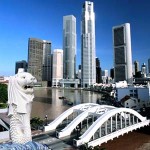 During Singapore’s Prime Minister National Day Rally speech for 2010 a few days ago, he spoke about the need for more foreign talent. In the realm of entrepreneurship and with encouraging foreigners to come here and set up businesses, Singapore has made itself very business-friendly and continually woos incubators and successful entrepreneurs to move here.
While we have spoken to many foreign entrepreneurs who did run startups in Singapore (here and here), British entrepreneur and investor, Hugh Mason who relocated to Singapore full time with his young family back in January 2009 recently wrote a piece with certain takeaways that foreigners might want to be aware of when coming to Singapore.
Hugh Mason writes…
Next month marks the fourth anniversary of an invitation from Singapore’s Media Development Authority to mentor media businesses here. That invitation ultimately changed my life and led me to bring my family to this fascinating island. Three colleagues thinking of setting up businesses in Singapore have all asked me what I’d learned from my experience this week, so I made a list of what I’d do differently if I had 20-20 hindsight.
I’m a firm believer that, when things go well in life, you learn little. The tough times have provided most learning for me setting up an independent business in Singapore. So instead of making a list of ten things that have worked out, I’m going to list the things I’d do differently were I arriving again.
What follows is an incomplete work-in-progress by a newcomer to Singapore. I don’t for a minute claim that I can adequately sum up the country that I’ve chosen to make home in a few short sentences. If you’re local, please comment and correct me, accepting that I write in good faith.
1. GET A LOCAL PARTNER
My first mistake was that I didn’t seek out local people for the initial team I put together here. There is so much depth to the culture that local insight is essential on many levels. Singaporeans all know someone who was at school with a friend, or they did National Service with someone, who knows someone that you need to contact. The bonds that NS forges seem recognised as one of the strongest arguments put forward to continue it here.
Interconnection is one of Singapore’s social strengths and, lacking those connections, it’s easy to get left out from opportunities, not through active discrimination but simply because it will be assumed that you know what’s going on through one of the informal networks.
It’s natural for westerners to be drawn to other westerners when they first arrive. However, just because someone’s been in Asia for years and perhaps even married someone born here, that doesn’t mean they know how to get anything done. There’s a harsh but true colonial-era expression summed up by the acronym FILTH (Failed in London, try HongKong) which still applies. Westerners come to Asia for many reasons … one of which is that they don’t fit in back home. Beware.
2. COMMITMENT
When I started out, I imagined that by being here for, say, one week in four, we could keep costs down and still be part of what is going on. That just doesn’t work. People invite you to events with just a few days notice and, unless you turn up and do the networking, you don’t get connected.
It’s not just a matter of logistics and short notice. It’s about showing commitment and giving face to new friends. When you are asked at the start of every initial meeting:
How long have you been in Singapore?





Stay updated on the go with our mobile app.
Get latest insights with smoother, more personalized experience through TIA mobile app.