- Insights This article was written by a TIA community member. Insights pieces undergo the same rigorous editorial process that newsroom-produced articles have.
 Julian Gage · · 5 min read
The EU privacy gaps that delay deals for Asian startups
Most founders I work with don’t find out they have a European data privacy problem from a lawyer. Usually, it’s their customers who tell them.
It is all too common in my work as founder of Engage Compliance, an Amsterdam-based data protection consultancy for tech companies.

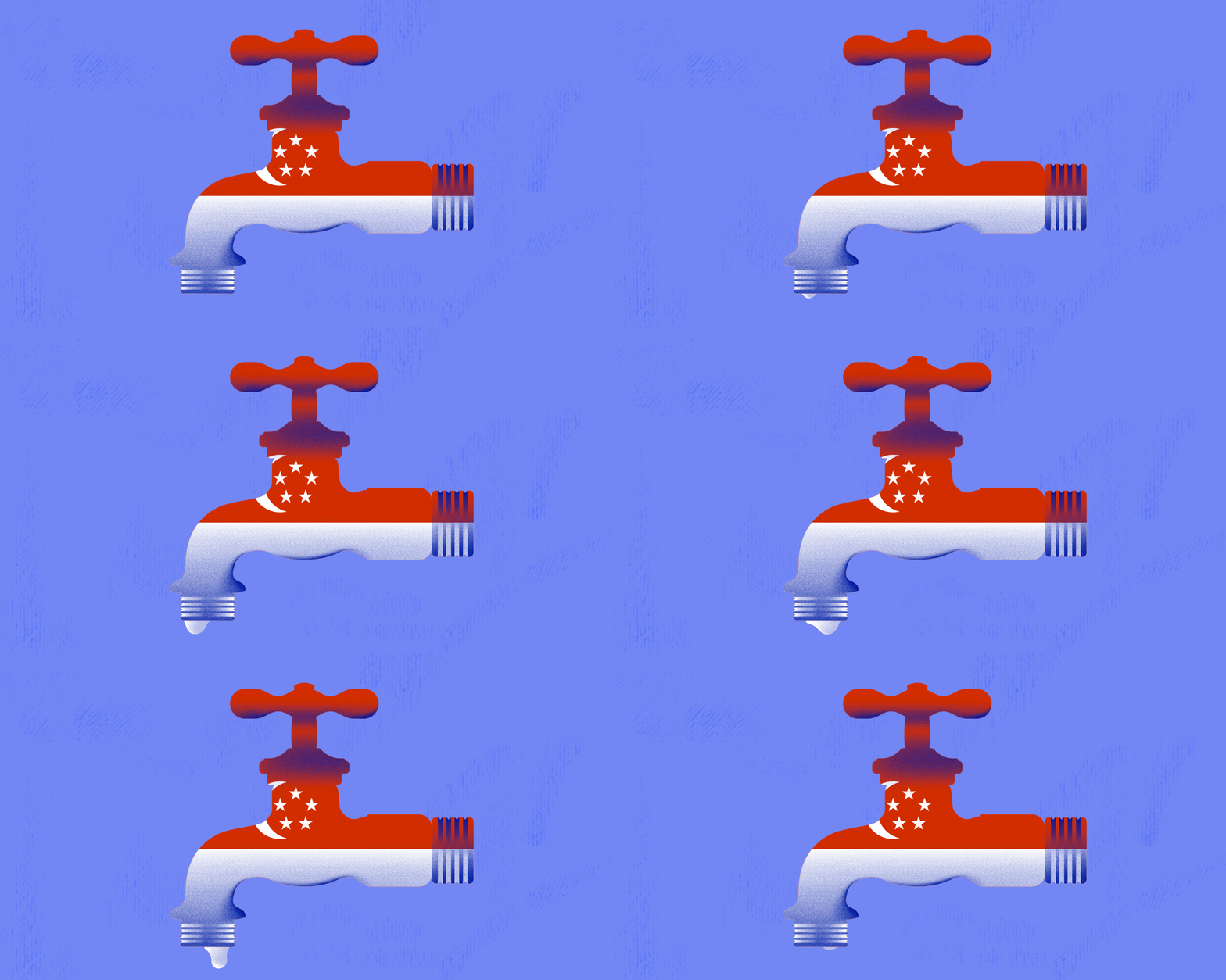
Image credit: Ulla
Often, one of these clients’ prospects will send a 60-item security and privacy questionnaire, or an investor’s due diligence checklist will ask who their data protection officer (DPO) or European Union (EU) representative is. But no one really has proper answers.
You’re probably in scope already
If you’re wondering whether your company activities are covered by the EU’s General Data Protection Regulation (GDPR), the answer is probably yes. It doesn’t matter whether you have an office in the EU or not.
If your product is available to people in the EU, or you track what they do online via systems like analytics, ad pixels, or product telemetry, it applies to you. A Singapore SaaS company with no EU entity and a handful of German users still has to comply with GDPR.
See also: AI rules in SEA: the risks, the fines, what you need to know
One Singapore HR company I worked with onboarded about 40 customers in Germany and the Netherlands in a single deal. My client assumed GDPR was only for companies with an EU office, until their first big German customer sent the contract back with two questions: Who is your EU representative, and where is your data processing agreement (DPA)?
The deal sat for five weeks until the HR company drafted a compliant DPA and found an EU representative.
For companies in a similar situation, the solution is to draft a privacy policy that clearly outlines what you’re doing with data.
The EU representative is not a DPO
If you’re required to comply with GDPR but don’t have an entity in the EU, Article 27 says you need an EU representative: a named company or person in the EU that regulators and individuals can contact on your behalf.
It’s a different role from a DPO, and regulated or compliance-savvy buyers check for it. They review your privacy notice, and if it doesn’t name a representative, then that’s a gap.
One South Korean B2B SaaS company we worked with was in the final round of negotiations with a French retailer. The retailer’s procurement department read the privacy notice, saw no EU representative, and logged it as a finding.

Do you need a DPO?
When your data goes home
The documents that buyers ask for first
Stay ahead in Asia’s tech landscape
This is premium content. Subscribe to read the full story.
Deals with EU buyers can get stalled for weeks over missing paperwork. Here are the documents they ask for first and how to get them done in a month.
We know this is not ideal. ⌛ Sign up in 20 seconds. Cancel anytime.
Our subscriber community includes professionals from these companies:











📅 Upcoming Events
30-31 March 2027
Upskill Fest