 Osman Husain · · 6 min read
After nearly losing his father, this founder built a medical network to help others
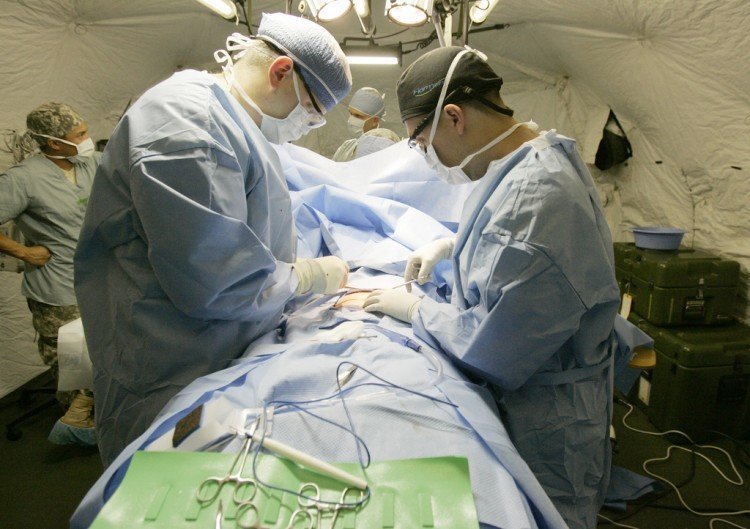
Photo credit: Army Medicine .
The idea for Docquity, a professional network for doctors, came after founder Indranil Roychowdhury was almost made to suffer an extremely close personal bereavement.
In 2011, Indranil’s father was rushed to the hospital after experiencing rapidly dropping blood pressure and chest pain. A senior doctor examined his symptoms, diagnosed it as a cardiac issue, and announced to the family that he had just a few hours left to live.
Another doctor in the room was tasked to look after him during these critical hours.
This doctor, a resident, wasn’t about to call it quits. He called one of his college classmates in the US to garner a second opinion. After the hurried phone call, he beckoned the nurse to immediately pump 400 milligrams of cordarone into the fading patient.
Indranil’s father spent almost 90 days in the Intensive Care Unit (ICU), but he survived. And today he’s fit and healthy. The injection saved his life.
“If the cordarone hadn’t gone in, if the guy in the US was sleeping and hadn’t picked up the call, and if the doctor didn’t have access to that information, my dad probably wouldn’t have been alive right now,” affirms Indranil.
“That’s what we want to do – replace that phone call. We can’t have these ad hoc processes when the stakes are so high.”
Photo credit: Philip Choi
Critical mass
Fast forward to today, and Indranil is well on his way of achieving his aim to provide doctors with the information they need, regardless of where they are located in the world. Docquity – essentially a social network for doctors – is an invite-only app tackling the medical collaboration space.
“What we’ve done is taken the closed network concept of LinkedIn, coupled it with the real-time messaging functionality of WhatsApp, added a lot of security, and made it exclusively for doctors,” explains Indranil.
Young and inexperienced doctors, such as interns, are usually required to shadow their peers for on-the-job training. Their professional network consists of two or three senior doctors through which they’re supposed to learn everything they can.
“That’s the question we’re trying to ask, why does it need to be three?” says Indranil. “If digital technologies exist, social media exists, why can’t we make that three into 30 or 300?”
Trusted doctors
Medical tourism





Stay updated on the go with our mobile app.
Get latest insights with smoother, more personalized experience through TIA mobile app.











📅 Upcoming Events
22 October 2026
Payoneer x CSPN Summit 2026