 Steven Millward · · 3 min read
Beaten by newer startups, Rocket-backed DeliveryHero quits China
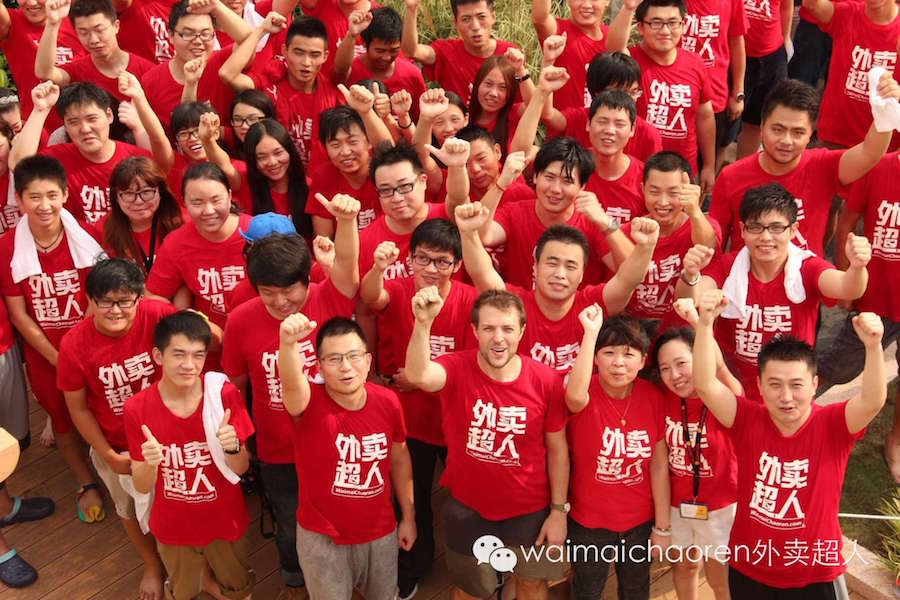
DeliveryHero operates under the Waimai Chaoren name in China. Photo credit: Waimai Chaoren.
DeliveryHero pioneered web-based food delivery in China way back in 2012, but that unravelled in the years to follow as local startups emerged and gained ground.
Despite DeliveryHero getting funding from startup factory Rocket Internet, the Chinese site – called Waimai Chaoren, which is literally “Takeaway Superman” – discovered that its kryptonite was a new wave of aggressive and fast-expanding startups in China.
DeliveryHero squandered its early opportunity in China, expanding slowly.
Waimai Chaoren was soon soundly beaten, which brings us to today. “DeliveryHero has taken the decision to not continue investing in China,” said the German firm in a statement yesterday, as first reported by TechCrunch.
That leaves the 400 staff in the Chinese startup in limbo.
(Update on March 7, four days after publishing: Waimai Chaoren chairman Lucas Engelhard replied to our questions. The following three paragraphs have been added.) “The closure is the result of trying to build a sustainable business in a completely insane market,” says Lucas to Tech in Asia, pointing to China’s top three delivery services being valued at more than double DeliveryHero, GrubHub, and JustEat combined.
“In the delivery space, you have companies not only forgoing revenues to grab market share – the Alibaba model – but also buying orders through big subsidies, like Didi. I believe this is not sustainable and the market will see big changes in the next six to 12 months. When the market corrects, these big players will be in a tough place given all the investment they have already burned on unsustainable practices,” he says.
The “job losses were much less than reported,” Lucas states, but did not provide a figure. It’s “sad to disband a solid team, much of which worked with me loyally for years,” he adds. “I’m proud of what we built and the return on investment we achieved in the face of fierce competition.”
If you can’t stand the heat…
“The company based its decision on the unique competitive situation in China that has become anything but sane with competitors flooding the markets with free food to users without charging commission from restaurants,” the statement on the DeliveryHero site continues. “Under these circumstances DeliveryHero feels that the amount of investment required is incalculable. The Chinese market as it has evolved over the last 12 months doesn’t fulfil the investment criteria of DeliveryHero anymore.”
Photo credit: Sanfa Media
Startups like Ele.me arrived late to the O2O party, but soon gained more traction. Ele.me has raised around a billion dollars in disclosed funding in the past three years, and its blue-and-white electric scooters are now second only to taxis and buses in their ubiquity on the streets of most Chinese cities. Well-established tech giants like Baidu, JD, and the Yelp-esque Dianping also got in on the act, making for ferocious competition.
The takeaway from this Chinese takeaway blunder is that a flood of VC cash is not entirely to blame. DeliveryHero squandered its early opportunity in China, expanding slowly. It now covers only 20 Chinese cities, while Ele.me is dishing up speedy food in over 260 cities.





Stay updated on the go with our mobile app.
Get latest insights with smoother, more personalized experience through TIA mobile app.







📅 Upcoming Events
22 October 2026
Payoneer x CSPN Summit 2026