- Premium Content It takes our newsroom weeks - if not months - to investigate and produce stories for our premium content. You can’t find them anywhere else.
 Terence Lee · · 3 min read
Co-living operator Hmlet sees big changes with layoffs and a pivot
Hmlet, a Singapore-based startup that leases spaces and sublets them to long-term tenants, is undergoing its biggest overhaul yet.
The co-living operator will no longer directly rent, renovate, and operate properties. Instead, it’s going “asset-light” by helping landlords run Hmlet-branded co-living spaces, the company’s co-founder and CEO, Yoan Kamalski, tells Tech in Asia. This echoes the approach that Oyo and RedDoorz have taken in travel accommodation.
The shift comes at a cost. Hmlet had retrenched around 10% of its employees as their roles had become redundant, says the CEO.
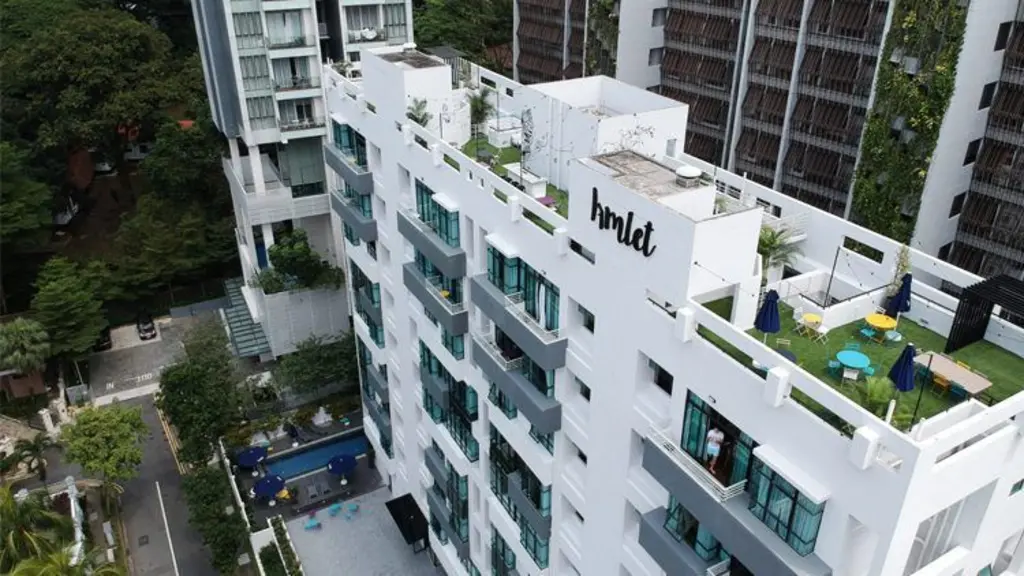
Photo credit: Hmlet
A source familiar with the company says that the actual number could be even higher, and that the layoffs had started in December of last year. Some of the people who left were senior regional or country operations leads, though the startup did not confirm their identities.
Hmlet isn’t planning to shrink its headcount, however. As of end-2019, the company had 198 employees, Kamalski says. Indicating its postings on various jobs platforms, he adds that the startup is “hiring a lot more than we’ve had to let go.”
Hmlet seems comfortable in terms of cash flow. It raised a sizable US$40 million round in July last year from the likes of Sequoia Capital India, Japanese real estate developer Mitsubishi Estate, and VC firm Burda Principal Investments.
“We’ve no plans to fundraise,” Kamalski says. Without detailing financial figures, he adds that the startup expects to grow its tenant base by 3x this year compared to 2019.
The average tenure of its members – spread across Singapore, Hong Kong, Sydney, and Tokyo – is 13 months.
High upfront costs
Sources tell Tech in Asia that part of the reason for the pivot may have been the high upfront and ongoing costs that come with leasing, managing, and sprucing up properties.
A Hmlet spokesperson, however, views “[the leasing] model as highly scalable yet sustainable” despite the high operating costs. He insists that the model could be profitable if the startup wants it to be.
Nonetheless, Hmlet’s management had thought about winding down rental contracts since 2018, though it only pursued the platform approach toward the end of last year. Now, it plans to make money through revenue-sharing arrangements with property owners.
Stay ahead in Asia’s tech landscape
This is premium content. Subscribe to read the full story.
The Singapore-based startup, which leases spaces and sublets them to long-term tenants, is undergoing its biggest overhaul yet.
We know this is not ideal. ⌛ Sign up in 20 seconds. Cancel anytime.
Our subscriber community includes professionals from these companies:





Stay updated on the go with our mobile app.
Get latest insights with smoother, more personalized experience through TIA mobile app.











📅 Upcoming Events
22 October 2026
Payoneer x CSPN Summit 2026