Young Zhan Heng · · 5 min read
US chip rules favor American data centers in Singapore
New US export controls on advanced AI chips look set to create an uneven playing field for companies operating in Singapore. US-headquartered firms will potentially be eligible for an exemption that local companies like Singtel cannot claim.
The new rules, announced by the US Department of Commerce on November 16, require licenses to export, re-export, or transfer some advanced semiconductors from the US to Singapore, Malaysia, Indonesia, Thailand, and Brazil.
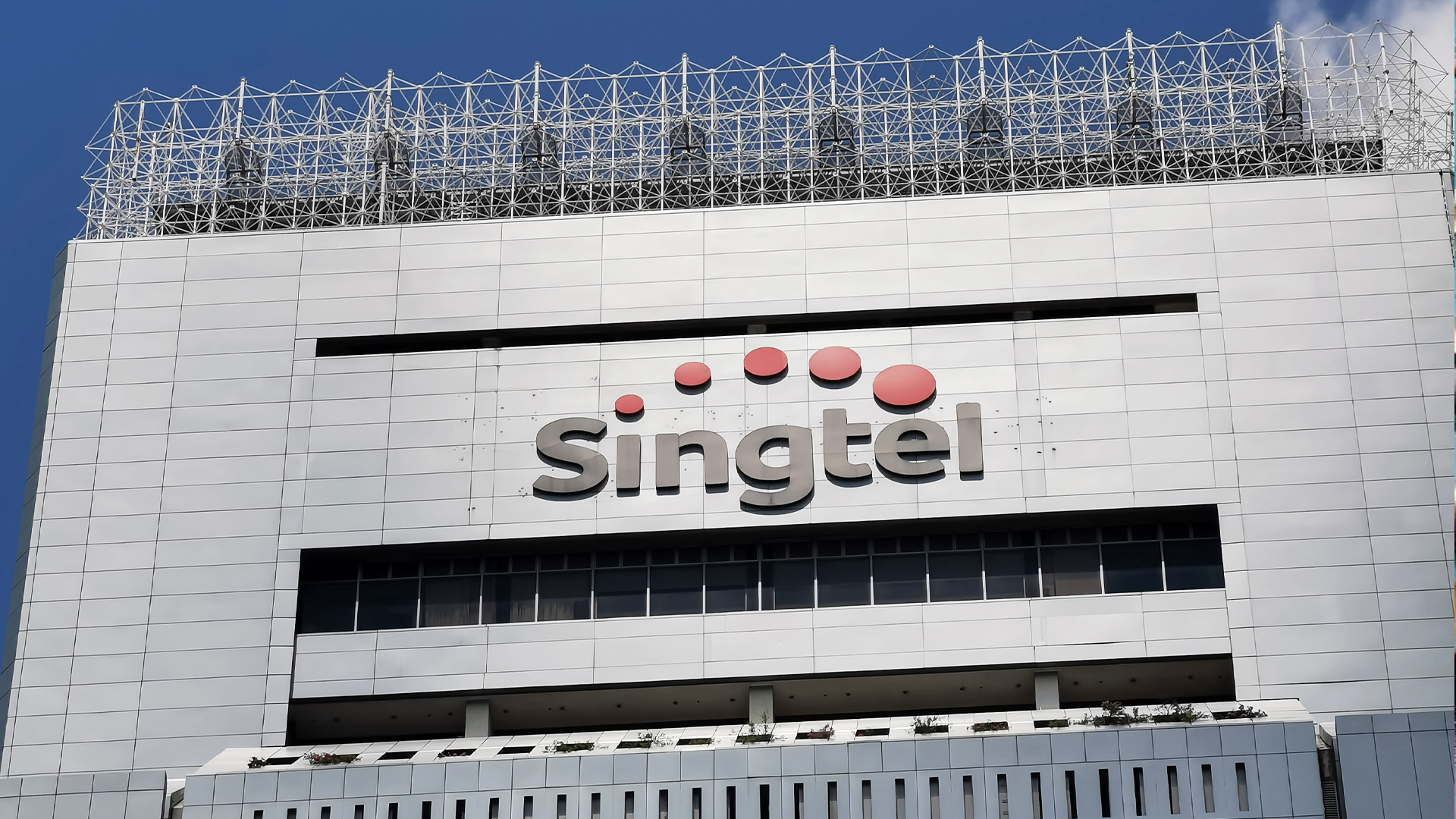
Singtel says it will work with the Singapore government to obtain the necessary clearance and licenses under the US’ new rules. / Photo credit: Shutterstock
US-headquartered companies, or companies whose parent firm is headquartered in the US, do not need the licenses if they meet certain reporting requirements.
“So two companies in the same building in Singapore could face quite different rules, simply because of where their headquarters are,” explains Ramkishen Rajan, Yong Pung How professor at the National University of Singapore’s Lee Kuan Yew School of Public Policy.
Analysts note that the new restrictions increase the US’ ability to limit China’s access to advanced AI chips beyond physical shipments.
See also: US chip curbs on China put Southeast Asia in a bind
Justin Muzinich, CEO of asset manager Muzinich & Co and former US deputy secretary of the treasury, says, “[The rule] does not only prevent the export of certain AI chips to China… it prevents China from renting that capacity in third-party countries.”
Rajan then points out, “It’s been known that one doesn’t need to import the chips to use them. You can just rent the computing power from a data center abroad.”
He adds that shipping advanced chips to a data center that provides large amounts of computing power to companies headquartered in China or other restricted countries will now need US approval.
Wait and see
Singtel, which purchases Nvidia graphics processing units (GPUs) for its GPU-as-a-service business RE:AI, says it expects little immediate impact.
“We are still assessing the implications, but expect the impact to be minimal,” a spokesperson tells The Business Times.
The telco shares that RE:AI is “a sovereign AI platform that serves Singapore only,” and its customers are largely public sector or research agencies.
“No chips are being re-exported,” it adds.
Bifurcated tech world












📅 Upcoming Events
30-31 March 2027
Upskill Fest