- Premium Content It takes our newsroom weeks - if not months - to investigate and produce stories for our premium content. You can’t find them anywhere else.
 Glenn Kaonang · · 6 min read
US chip curbs on China put Southeast Asia in a bind
With additional reporting by Samreen Ahmad, Pranav Balakrishnan, and Elyssa Lopez
Less than two weeks after Nvidia CEO Jensen Huang confirmed he had an extramarital affair with an alleged Chinese spy, AI founders and data centers operators in Southeast Asia are growing concerned about the future of the industry in the region.
On Tuesday, the US issued a new ruling that specifically targets the shipments of advanced AI chips to or within Indonesia, Malaysia, Singapore, Thailand, and Brazil. The rule also restricts large-scale access to those chips for Chinese companies at data centers worldwide.

Image credit: Made by Ulla/Tech in Asia with the help of AI
Tech in Asia reached out to a number of AI firms in Southeast Asia and received mixed responses.
“While the objective is to slow China down, this is going to cause considerable pain in Southeast Asian economies,” says Prem Bhatia, co-founder of Singapore-based AI startup Graas.
Over the past decade, data centers have sprouted across the region, a boom that was accelerated with the arrival of GPT-based AI.
Johor, a southern Malaysian state just north of Singapore, is expected to become one of the biggest data center hubs in the world with over 2 gigawatts of capacity by the end of 2026. Access to Nvidia chips is critical for these facilities.
Why these markets?
The US Commerce Department says it picked the five markets because of concerns about advanced chips being diverted to restricted customers or destinations. China’s investments in offshore data center buildout also includes Brazil, which explains how the South American country made it to the list.
Singapore and Malaysia were at the center of the Huang scandal. Alice Huang (no relation to Jensen), the alleged spy, was the CEO of Megaspeed, a Singapore-based cloud computing company that reportedly purchased over US$4 billion GPUs from Nvidia.
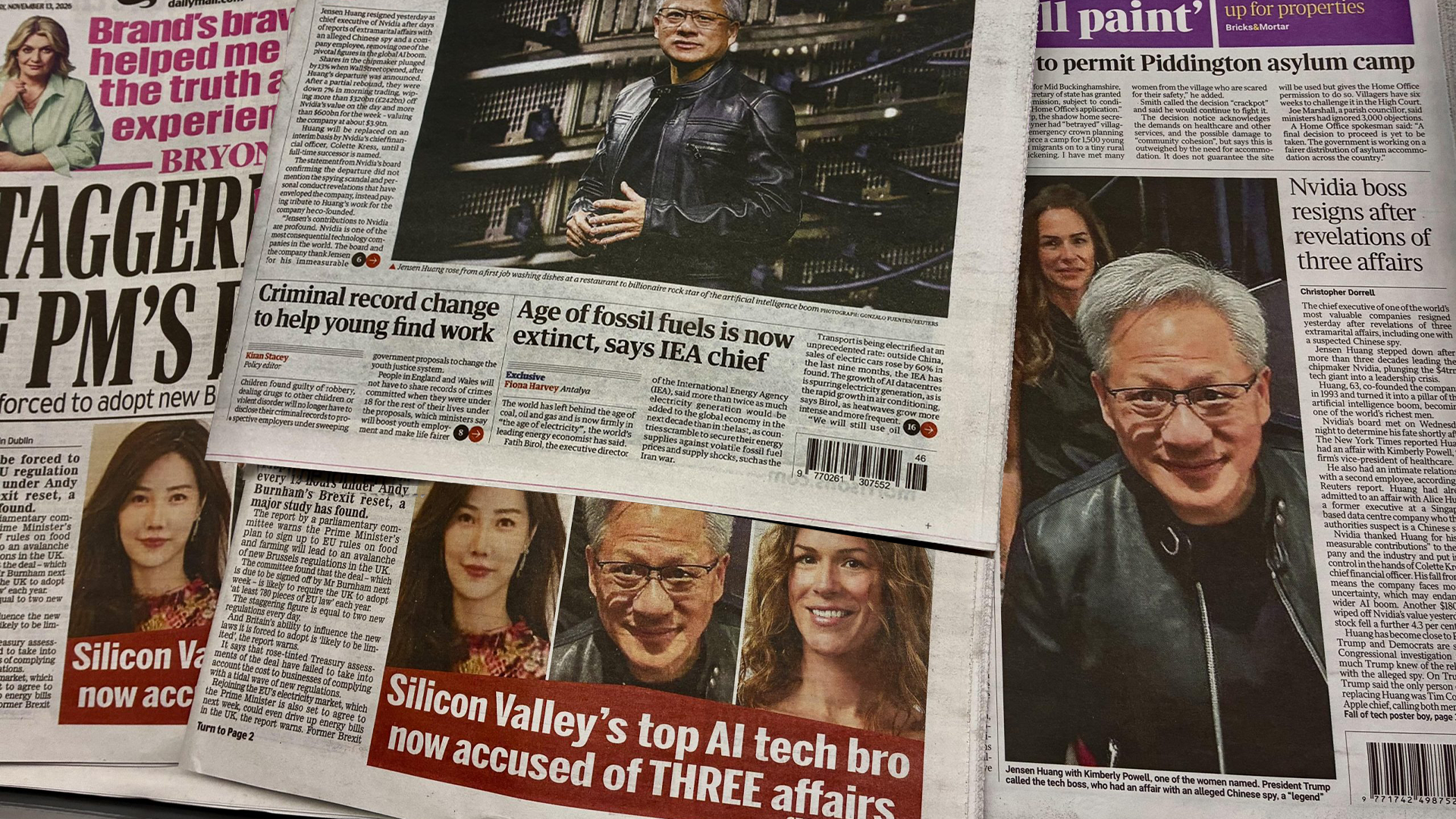
Jensen Huang’s resignation has dominated the headlines across the world. / Photo credit: Steve Travelguide / Shutterstock
According to The New York Times, the chips were smuggled to China via Malaysia. US and Singaporean officials are still investigating the incident.
There have been growing concerns over the last year that China-based firms were accessing AI data centers in Southeast Asia to bypass existing export controls aimed at preventing China from acquiring the chips. While no verified numbers exist, most founders tell Tech in Asia that the majority of the AI cloud usage in Southeast Asia was from Chinese firms.
Could GPU rentals get cheaper?
Changes for operators?
Could India benefit?
Stay ahead in Asia’s tech landscape
This is premium content. Subscribe to read the full story.
China helped fuel Southeast Asia’s data center boom. A new US chip rule could slow its buildout and test demand for the GPUs already there.
We know this is not ideal. ⌛ Sign up in 20 seconds. Cancel anytime.
Our subscriber community includes professionals from these companies:











📅 Upcoming Events
30-31 March 2027
Upskill Fest