 Terence Lee · · 8 min read
An absolute beginner’s guide to machine learning, deep learning, and AI

Meet Samantha. She’s your friendly assistant from 2025. She sorts your mail, sets up your meetings, and orders groceries. She paints and writes poetry. She’s your best friend. She’s also an artificial intelligence from the movie Her, which imagines how a juiced-up Siri will change our lives.
Now, tech companies large and small are racing to make this a reality. You’ve read the news. You’ve heard the jargon: AI, machine learning, deep learning, neural networks, natural language processing.
Maybe it’s all a little confusing. So here’s a primer on these concepts and how they’re interrelated.
What is artificial intelligence, or AI?
AI, simply put, is an attempt to make computers as smart, or even smarter than human beings. It’s about giving computers human-like behaviors, thought processes, and reasoning abilities.
There are two kinds of artificial intelligence:
Narrow, or weak AI
That’s AI focused on one narrow task. Weak AI is already all around us. It has beaten us at chess, Jeopardy, and most recently, Go.
Digital assistants like Siri and Cortana are giving us the weather, and self-driving cars are on the road. But they have limits. A self-driving car can’t play chess. Siri can’t read and delete your unimportant emails. Weak AI has a narrow scope: It can’t go beyond its original programming.
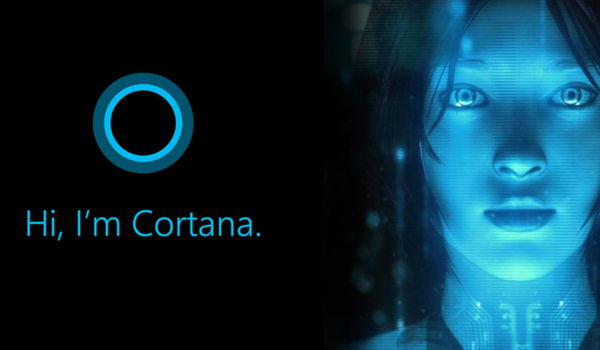
Cortana is an example of weak AI.
Strong, or general AI
Here we enter the realm of science fiction. Samantha is the very definition of strong AI. She can learn new things and modify her own code base. She can beat you in chess and drive a car.
The anatomy of AI
So we know general AI is the end goal. How do we get there? Here are five areas it needs to master:
Tools to get there
When machines learn
From Siri to Samantha





Stay updated on the go with our mobile app.
Get latest insights with smoother, more personalized experience through TIA mobile app.








📅 Upcoming Events
22 October 2026
Payoneer x CSPN Summit 2026