
China sold 457 million smartphones in 2015, up 17.7 percent year-on-year, according to the Ministry of Industry and Information Technology. Photo credit: SteveC.
Let’s rewind to China in 2011. The country’s smartphone market is defined by the likes of Samsung, Nokia, and Apple. If someone told you, “by 2016, the market will be dominated by a Chinese company that you’ve barely heard of,” you likely wouldn’t have guessed Xiaomi, which made its first phone that year.
But you might have bet on Vivo.
Both Xiaomi and Vivo began producing smartphones in the same year, and the two companies took very different approaches to the market.
To emulate, or undermine?
Vivo went high-end, attempting to woo Samsung and iPhone owners over to its side. The company launched the “world’s thinnest smartphone” in 2012, the X1. Vivo bet that consumers were buying phones based on their specs and design – so it threw its lot in with fancy audio processors, headline-worthy hardware, and a price that was modest, but no bargain. The X1 went for US$400.
That’s way above the US$100-$300 bracket that Xiaomi mostly goes for.
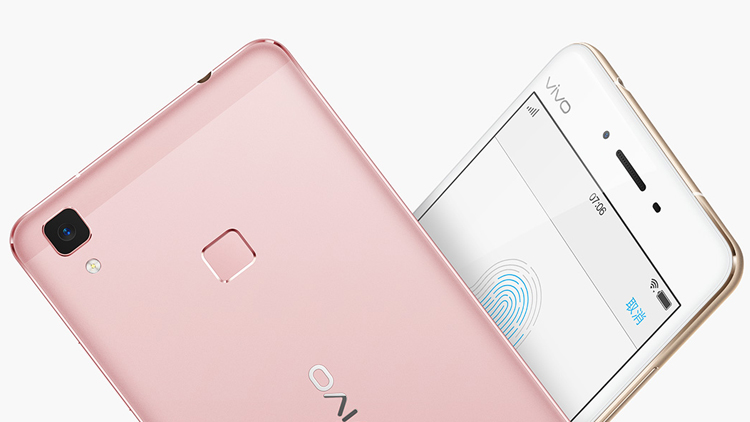
Vivo’s new V3. Photo credit: Vivo.
Vivo is owned by BBK Electronics, which is also the parent company of China’s Oppo. The same company more recently spun-off a new brand in the form of OnePlus. That connection meant Vivo already had inroads into the Chinese market, where it sold phones in conventional stores and online. The company also went global early, selling devices in Russia, America, and lots more places.
But as history showed, China’s market wasn’t looking for a homegrown version of the iPhone – instead, it was primed for an insurgent.
Xiaomi blasted through the Chinese smartphone market, leaving all brands dazed and confused. In an Apple-style keynote presentation in 2012, the startup showed off its second phone, the Mi 2 for US$320, which proved to be a huge breakthrough. Xiaomi eschewed brick-and-mortar stores and retail partnerships, selling the vast majority of its phones from its own website.
Xiaomi took off not because it was able to persuade iPhone owners to make a switch, but rather due to China’s flip-phone users and rising middle class making their first smartphone purchases. And as they did so, they opted for cheaper, better-marketed devices than Samsung or Apple offered.
Vivo churned out premium devices, while Xiaomi fired hard at the middle market.
This trend stayed steady throughout 2013 and ‘14. Vivo churned out premium devices, while Xiaomi fired hard at the middle market and budget-conscious buyers.
The great convergence





Stay updated on the go with our mobile app.
Get latest insights with smoother, more personalized experience through TIA mobile app.