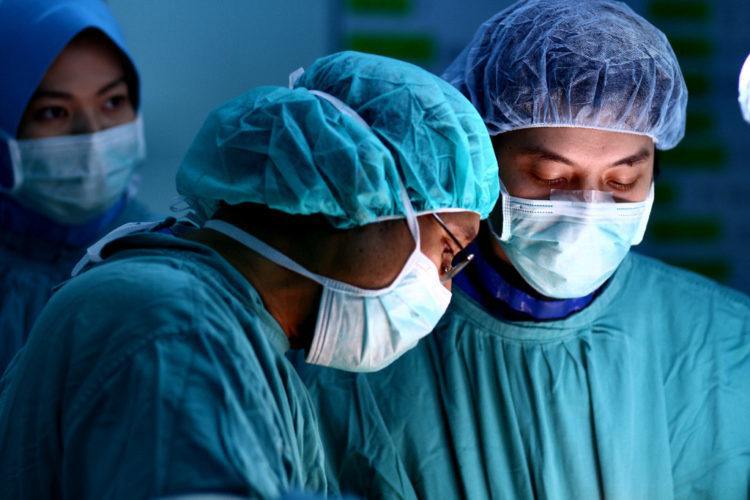
Photo credit: Phalinn Ooi
More than a week after the story first went viral, the controversy over Baidu’s medical ads is still dominating the headlines. The most recent news is that the Cyberspace Administration of China (CAC) has released information about its investigation of Baidu, giving the company until May 31 to clean up what it sees as dodgy advertising policies that lead to cases like that of Wei Zexi, the young cancer patient who spent US$30,000 on a controversial treatment he found via Baidu.
To be clear, Baidu definitely has some culpability here. As I wrote last week, the company has had at least a decade of warning that it wasn’t on the same page as the public when it came to its medical advertising policies. So it’s hard to feel too sorry for Baidu – the company is getting raked over the coals, but it probably deserves it. It should have changed up its policies about medical ads a long time ago.
Preventing sketchy hospitals from advertising on Baidu will not prevent them from existing.
That said, it seems unfortunate that so much of the anger in the wake of the Wei Zexi case has been aimed at Baidu. The company may have brought this on itself, but the focus on web ads is distracting everyone from the bigger problem, which is that China’s private hospitals are offering and advertising dodgy treatments in the first place. I mean, that’s the real crime here, right? Baidu may have placed an ethically-questionable ad, but it was the hospital officials and MDs who directly misled Wei about the efficacy of his expensive and ultimately futile treatment.
Sadly, this wasn’t a freak accident. China’s private hospitals have been the source of all sorts of horrifying medical stories. Just last week, Vice ran a story about private hospitals pressuring and tricking men into penile surgeries that left them completely numb, essentially rendering them eunuchs. Earlier this year, Beijing jailed 15 people for scamming patients into private-hospital treatments and drugs. In 2014, 160 people were arrested in Shanghai for scamming hospital patients with overpriced traditional Chinese medicine (TCM) treatments. In 2013, a Beijing News reporter was subjected to all manner of painful, expensive, and mostly-unnecessary treatments and tests while investigating private hospitals. In 2012, a different reporter submitted tea instead of a urine sample to private hospitals as part of another investigation, and was told he suffered from all manner of horrible diseases requiring costly treatments. Et cetera.
There’s plenty of sketchy medical advertising out there beyond Baidu.
The fact that Baidu allowed ads from these sorts of places is concerning, yes, and it’s absolutely something that Baidu should fix. But – to borrow a medical phrase – focusing this scandal on Baidu is treating the symptoms rather than the disease. Preventing sketchy hospitals from advertising on Baidu will not prevent them from existing, or from tricking and ripping off patients in other ways. Baidu isn’t the only outlet for that sort of scam. In fact, if you search for “cure cancer” on Taobao, the first result is a book called Water is the Best Medicine 3 that (according to the Taobao ad) explains how drinking water can cure obesity, clinical depression, and cancer.
If Baidu finally learns its lesson and cleans up its advertising act, then some good will have come from this controversy. But it feels a bit like a wasted opportunity when so much of the national conversation is being dominated by discussion of a tech company that’s simply a symptom of the disease rather than the disease itself.





Stay updated on the go with our mobile app.
Get latest insights with smoother, more personalized experience through TIA mobile app.












📅 Upcoming Events
22 October 2026
Payoneer x CSPN Summit 2026