 Erik Crouch · · 3 min read
Chinese social network for plastic surgery gets $50m funding
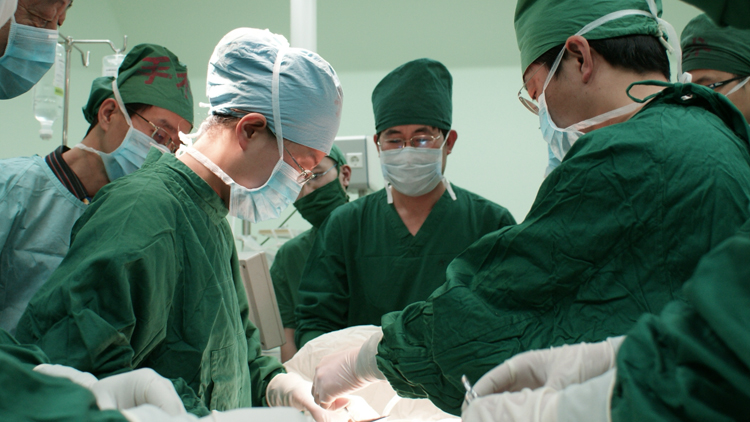
Image via Wikipedia
A Beijing-based startup that’s a marketplace for plastic surgery and a social network for nip-and-tuck recipients secured a hefty US$50 million financing round yesterday. SoYoung – be advised before you click, the homepage has some boobs – is now valued at upwards of US$460 million, and the startup saw WeChat parent company Tencent take an interest in its latest round.
News of the fundraising was reported by Bloomberg, which says the site manages some 60,000 plastic surgery orders in China each month.
A sizable market
The Chinese demand for plastic surgery is so big that people probably speculate as to whether it’s been pumped full of silicone.
Cosmetic surgery used to be dominated by Korean firms.
According to the BBC, the industry is valued at more than US$60 billion and is expected to double by 2019. The field used to be dominated by Korean firms offering surgeries to vacationing Chinese tourists – an elite group, who could not only afford the surgery, but also the visa. More recently, a wave of Chinese plastic surgery outlets have opened throughout the country.
SoYoung follows in the footsteps of Yuemei, a similar startup that got series A funding last year.
Both companies help plastic surgery seekers find clinics across China, share reviews, and serve as social networks for people interested in such operations.
On SoYoung, the social aspect has a big appeal. Users upload daily post-surgery photos, develop profiles, and browse other users’ results, oftentimes asking for tips.
Take this profile spotted on the front page. At the top, the user – named “Pig Beauty,” from Hangzhou, who had a nosejob – rates her surgery 5/5 for satisfaction, and 1/5 for swelling, pain, and scarring.
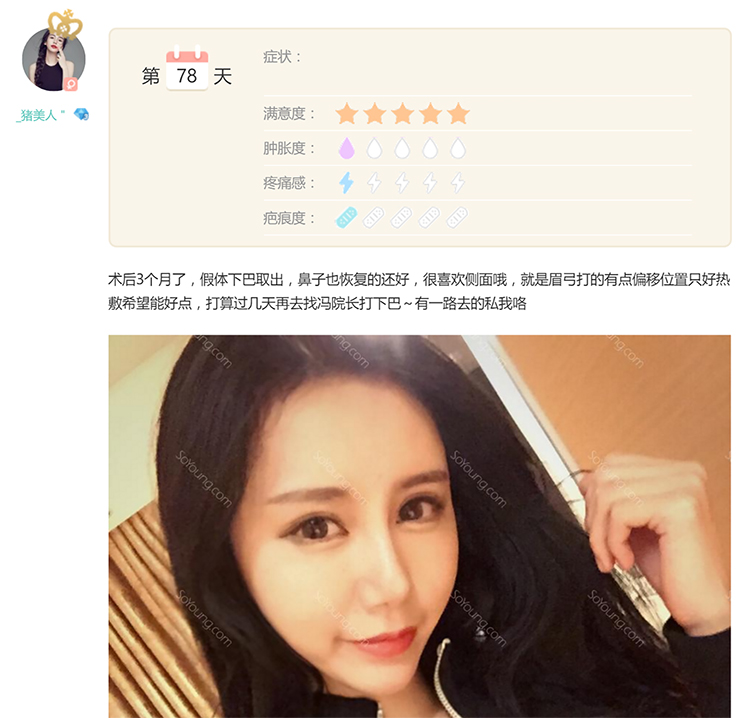
Screenshot from SoYoung.com
Users can check out where she got the surgery, see other people who have had similar procedures there, and leave comments. Although I admit I didn’t browse every entry on the site, those that I did see all featured very positive comments.
Learning from Alibaba
The company’s website bares more than a passing resemblance to Tmall, Alibaba’s upscale version of Taobao. Except instead of small icons of TVs and smartphones, the nav menu has small noses and boobs.





Stay updated on the go with our mobile app.
Get latest insights with smoother, more personalized experience through TIA mobile app.









📅 Upcoming Events
22 October 2026
Payoneer x CSPN Summit 2026