Yingzhi Yang · · 5 min read
In China, consumers are buying used cars online using VR
Many who have benefited most from China’s economic boom over the past decade have not been shy about flaunting their wealth, providing a boon in sales for luxury good makers and high-end automakers such as Ferrari and Maserati.
Times are changing, though. And amid the recent economic slowdown, more and more ordinary Chinese are turning to the secondhand car market to meet their driving needs.

Traffic in Beijing, China / Photo credit: Pixabay
Newly married Ma Pengxiao is 25 years old, lives in Weinan (a small city in China’s northwestern province of Shaanxi), and is now a member of a growing band of Chinese who have just bought their first ever secondhand car.
Ma used his own savings to pay a 13,000 yuan (US$1,945) deposit last August for a two-year-old Ford Focus and has signed a loan agreement to pay off the remaining cost in monthly installments.
“My parents already spent a lot of money decorating my new house,” said Ma. “I couldn’t ask them to buy me a car.”
The story sounds fairly typical so far, but what makes Ma’s purchase different is that he never saw the physical car before buying it.
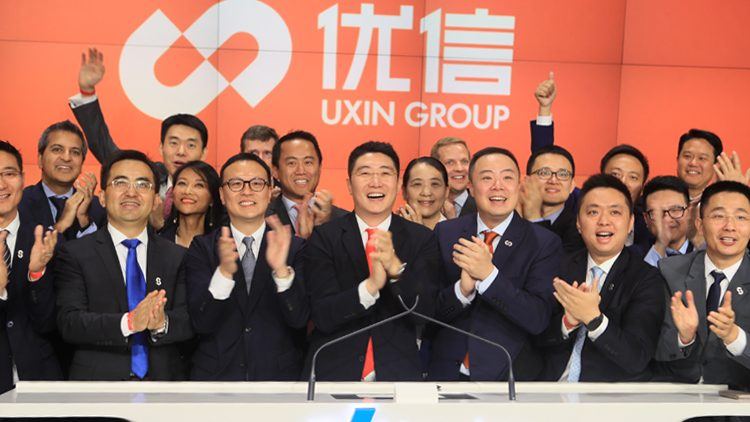
Ma made the purchase via a mobile app called Uxin, a Nasdaq-listed secondhand car online marketplace that uses a virtual reality-based feature to generate a high-definition, 360-degree panoramic image of a vehicle, allowing customers to see inside and out and zoom in.
According to research firm Analysys, in 2018, online used vehicle sales in China were estimated at about 3.2 million units, which is roughly 23 percent of the total used car market. Uxin’s competitors in the domestic market include Beijing-based Guazi and Taoche, which also use sophisticated apps with high-definition photos to sell used cars.
The car was delivered to him around 10 days after purchase, and Ma was not disappointed, saying that the condition of the car – including some small scratches – had been accurately represented by the VR image.
“I can’t say I’m 100 percent satisfied but this is the best car I can afford at my age,” said Ma.
Ma’s purchase reflects the drastic change that has taken place over the past few years in the attitude of young Chinese people towards buying used cars.
“Around five years ago, some young people would tell me purchasing a secondhand car was an embarrassing thing to do,” said Uxin founder and chief executive Dai Kun in a recent interview in Beijing. That has now changed, and as of 2018, around 33 percent of car buyers on Uxin were under 29 years old, according to a report by the Uxin Research Institute.





Stay updated on the go with our mobile app.
Get latest insights with smoother, more personalized experience through TIA mobile app.