Erik Crouch · · 3 min read
79% of American companies say China’s internet restrictions are hurting them
 Four in five American companies operating in China say that the country’s heavy internet censorship has negatively impacted their businesses. Only 5 percent say they have “no complaints” about the country’s internet controls, according to a report put out by the American Chamber of Commerce in China.
The report focuses on American companies, but its trends should hold true for most foreign companies operating in China. The survey compiled data from more than 500 companies over a variety of disciplines and scales.
Here are the responses to the question, “To what degree does internet censorship of content and websites impact your ability to conduct business normally in China?”
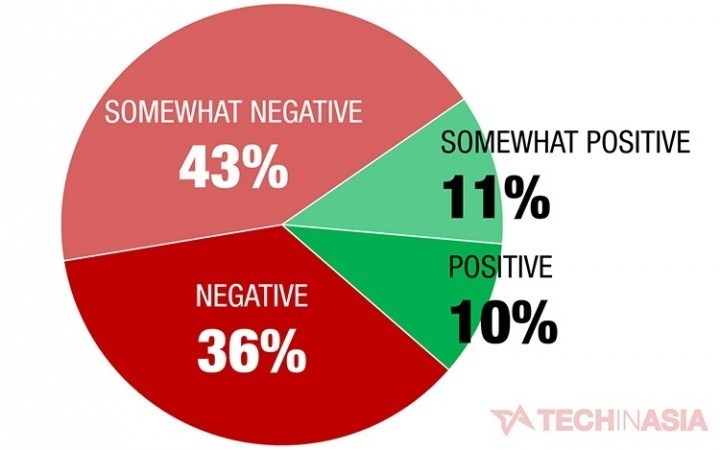
Data by AmCham.
Intranet
That’s why, in the chart below, slow speeds top outright censorship as the biggest complaint held by companies. A precious 5 percent of respondents said that “internet controls do not hinder my business in any way” – companies that we assume simply don’t use the internet particularly much, or have absolutely insane levels of patience.
China’s broadband and mobile web speeds are actually pretty good, especially in cities like Shanghai and Beijing. But that’s only for Chinese websites – if your connection reaches abroad, then get ready to wait.
Next question: “Which aspects of internet control specifically hinder your business?
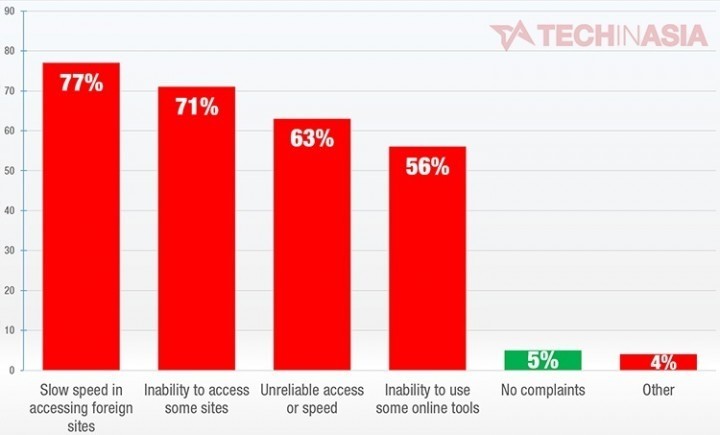
Data by AmCham.
One potential reason for these responses is a lack of competition. It’s certainly easier to be a data or search company without competing against Google, or a social network if Facebook doesn’t exist. Just ask Baidu and WeChat.
Grim outlook
The report says that 71 percent of companies reported an inability to access “crucial information for their business” due to internet restrictions. Respondents said that this disrupted access led to lower productivity, difficulties in data exchange with other professionals, and an inability to adequately engage in research.
All in all, the AmCham report is not an optimistic one (read the whole report here; PDF file).
At one point respondents were asked to rate their optimism for the country’s business and regulatory framework over the next two years – only 6 percent responded “optimistic.”





Stay updated on the go with our mobile app.
Get latest insights with smoother, more personalized experience through TIA mobile app.