Michael Tegos · · 6 min read
Behind Hiroshima’s plan to become Japan’s newest startup hub
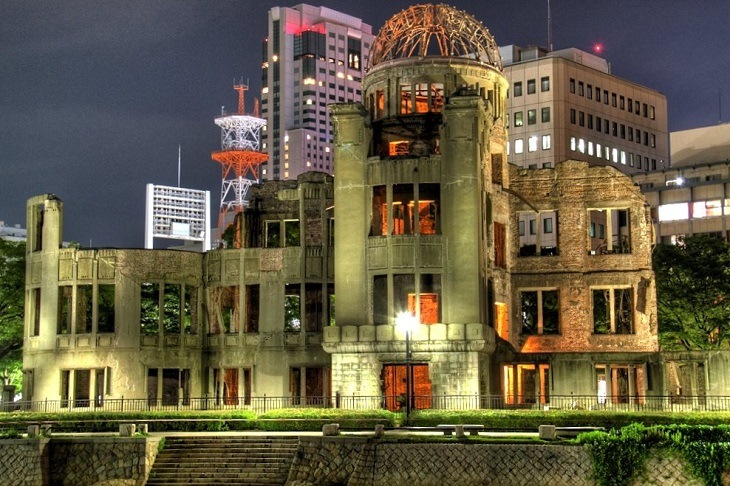
The Hiroshima Peace Memorial / Photo credit: a record US$2.5 billion in 2017, the rate of new small businesses is low – only 5 percent of total firms in 2015, according to Japan’s Small and Medium Enterprise Agency.
Hiroshima plans to spend US$6 million annually to help Japan double this. “Our economy is based heavily on manufacturing, but now things are changing. We have to face very tough competition against Southeast Asian countries. So innovation is the new keyword for us,” Yuzaki says.
He hopes to establish a viable alternative to Tokyo, which is the country’s largest startup ecosystem at the moment.
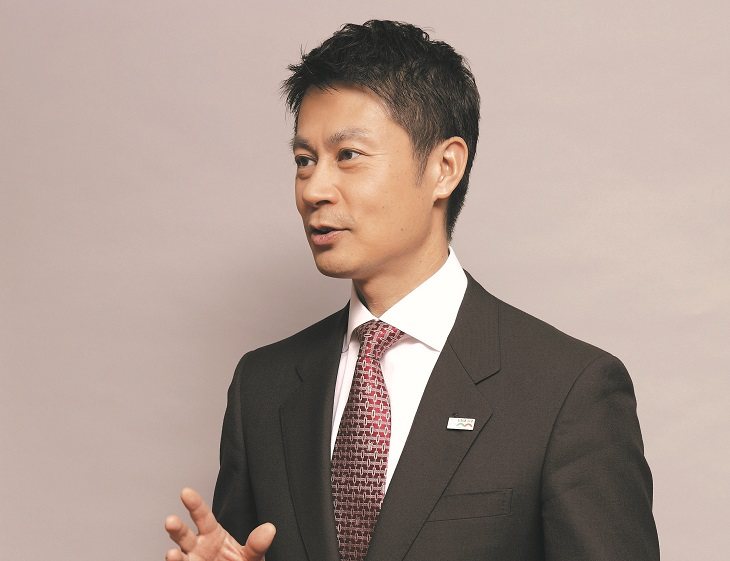
Hiroshima governor Hidehiko Yuzaki / Photo credit: Hiroshima Prefecture
Seeds of an ecosystem
A Stanford alum, Yuzaki co-founded ACCA Networks, a Japanese broadband provider and one of the first such companies in the country. It was eventually acquired by another firm, which was then absorbed into homegrown conglomerate SoftBank.
He wants to help plant the seeds for an ecosystem that will allow entrepreneurs to mingle, collaborate, and inspire each other.
“Maybe people you meet don’t have much to offer in terms of synergy, but you see them working hard next to you, and that will keep you going. Japan as a whole didn’t have that culture, the soil for an ecosystem, for a long time,” he explains.
Interestingly, the local government isn’t planning to offer early-stage funding or grants for startups. “My personal opinion is that easy money is not going to work – it will spoil you,” Yuzaki says. “We are focusing more on advice, networks, and [non-financial] resources for entrepreneurs. You need to go out and find your food. That’s how you grow,” he adds.
Hiroshima’s tech advantages
Hiroshima’s hub will focus on some of the prefecture’s strengths. For example, Mazda’s presence in the area gives Hiroshima manufacturing and engineering expertise.
Mazda’s “model-based development” method is particularly attractive. Using advanced computing, it simulates the manufacturing process without the need to create a physical object. This helps test and iterate on a product before starting production. The Hiroshima Digital Innovation Center that opened last year offers equipment and facilities to promote this method.
Hiroshima University is among the world’s top 500 universities in engineering, technology, and life sciences. It is ranked 13th out of more than 150 institutions in Japan, according to the Times Higher Education World University Rankings.
The area is already home to tech companies in various phases of development, including growth- and later-stage startups. Mizoue Project makes an ultrasound test that only needs a smartphone to work, while Tokyo-listed Data Horizon offers healthcare data solutions. Along a slightly different path, Laxus is a designer handbag rental service.
You need to go out and find your food. That’s how you grow.
Tokyo shines bright
Growing away from the capital





Stay updated on the go with our mobile app.
Get latest insights with smoother, more personalized experience through TIA mobile app.