J. Sexton · · 2 min read
S. Korea’s Cinderella law finally growing up, teens may soon be able to play online after midnight again
Government bodies have a long history of regulating these newfangled video games. Since the 16-bit era, games have been subject to rating control boards in the United States and Europe. Console hardware sale was banned altogether until only recently in mainland China. In Japan…well, okay not as much regulation.
Still, arguably the most interesting initiative to ever make it into law was the so-called “shutdown” policy of 2010, implemented by the Korean Ministry of Culture, Sports and Tourism. Its other moniker, “the Cinderella Law,” is more instructive, as the aim of the law was to prevent youths from playing online games after midnight. Still limping along after over three years on the books, calls for reform are carrying the day.
(See: Consoles may no longer be banned in China, but there are still troubles ahead)
The law was originally enacted in an effort to allay then-mounting fears of perceived trends like video game addiction, and was made possible by the fact that most Korean services require users to log in using a national ID number. Underage players are kicked offline at midnight and unable to play online again until 6:00 A.M.
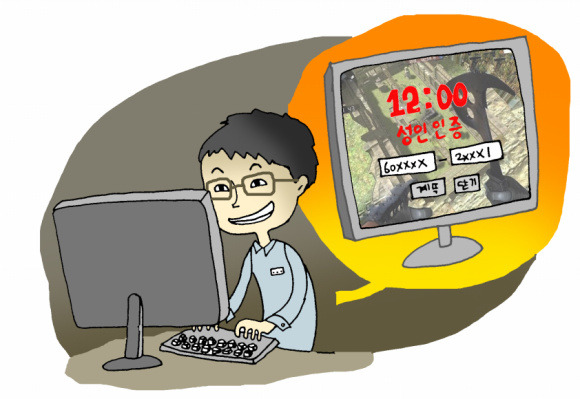
The law targets players under 16 (note: in Korea, if you were born in 1999 you would be 16 presently, regardless of when your birthday falls). Interestingly, the legislation left other demographics unaffected, even the occasional adult couple who neglects its caregiving duties. Nor were console or mobile games targeted by the law.
(See: Korean father suffocates his crying son, abandons body to play games)
It is hard to know the effect, if any, this policy had on actually curbing the insatiable appetite some teens might have for online games. According to a 2013 report, children aged 9 to 14 were still more likely to play online games than mobile, offline PC, and console games combined. Those wishing to carry on with their gaming habits unaffected were forced to figure out sophisticated ways of circumventing the policy, such as asking for a parent’s ID, or stealthily taking it to register for an account.
The Ministry of Gender Equality and Family, realizing that many families were defaulting to the traditional scenario in which parents rather than the government decided what was best for their children, lobbied to have the “well-intentioned” law reformed. Under the proposed revisions, which would take effect next year, teens will be able to play online after midnight, providing their parents grant them permission.
How do you feel about governments regulating games? Do they ever get it right?
More laws on gaming:





Stay updated on the go with our mobile app.
Get latest insights with smoother, more personalized experience through TIA mobile app.