Deepti Sri · · 2 min read
Grab PayLater, Atome, Hoolah gain traction amid BNPL boom in Singapore, says report
An increasing number of Singaporeans are flocking towards buy-now-pay-later services as services that allow users to pay in installments have bolstered consumers’ purchasing power amid a pandemic-driven shift to online shopping.
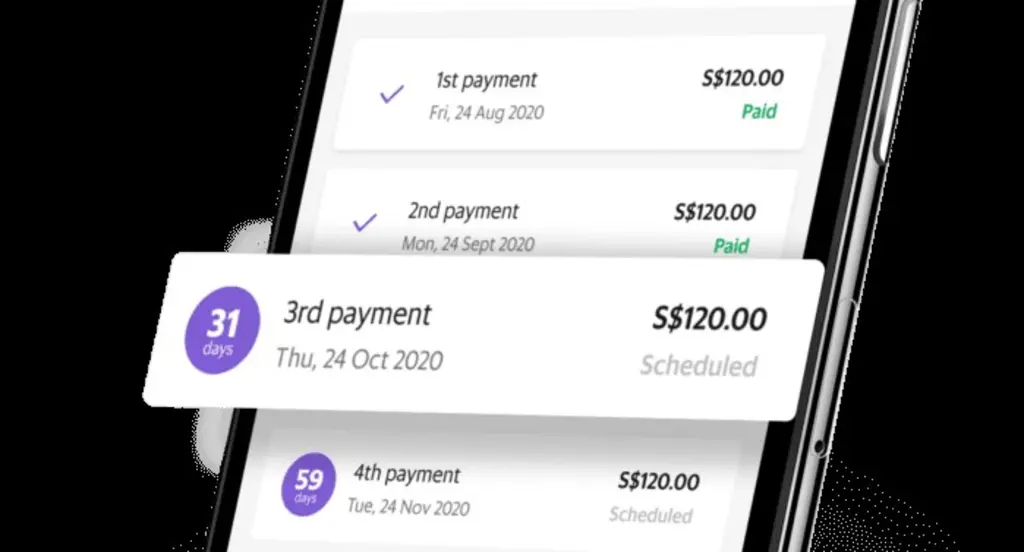
Photo credit: Grab
About 19% of Singapore’s population above the age of 16 has tried a tech-enabled BNPL service such as Hoolah, Atome, or Grab PayLater, according to a report by Milieu Insight, a consumer data and analytics firm.
BNPL payment options offer consumers flexibility in managing their finances by spreading out the cost of a purchase over a few months without interest fees. This additional wiggle room makes even big-ticket purchases seem within reach.
The report also notes that the 30% of Singaporeans aged between 25 and 34 were “most likely” to have used a BNPL service. While half of the users spend about S$100 (US$74.25) or less, consumers with moderate-to-high income shell out over S$501 (US$372) while using BNPL services.
“I think the rise of peer-to-peer payment apps and mobile wallets, which offer rewards on spending without hefty annual fees or interest payments, could signal difficult times ahead for credit cards,” said Stephen Tracy, chief operating officer at Milieu Insight.
Home furnishings and electronics topped the list of the categories people were most willing to make purchases in using BNPL services. This was followed by travel-related purchases, signaling a potential market for travel in the BNPL space when border restrictions loosen post the Covid-19 pandemic.
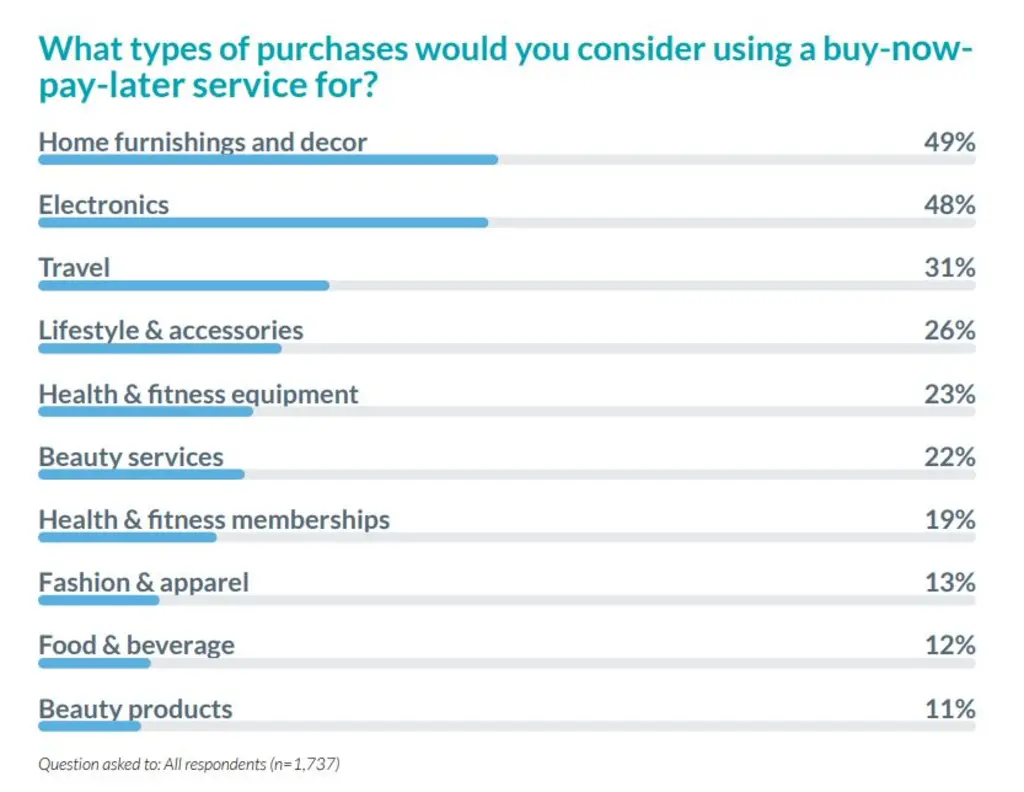
Photo credit: Milieu Insight
Meanwhile, cashbacks, rewards, and promotions also drive users towards BNPL services. Some of the Asia Pacific’s hottest stocks including Afterpay, Zip, Splitit Payments, and Sezzle have cashed in on this change in spending habits.
See also: Southeast Asia’s biggest buy now, pay later players
However, the Monetary Authority of Singapore recently raised concerns over the payment method fearing greater consumer debt and credit risk. Cheryl Chan, a member of parliament from the ruling People’s Action Party, also flagged the risk of BNPL services from “financial unawareness” among young adults who have access to credit lines.
Editing by Collin Furtado and Arpit Nayak
(And yes, we’re serious about ethics and transparency. More information here.)





Stay updated on the go with our mobile app.
Get latest insights with smoother, more personalized experience through TIA mobile app.