 Winston Zhang · · 4 min read
How brands can navigate the competitive mobile app scene

Mobile-first has become an important strategy for brands, especially in Southeast Asia. With 129% mobile penetration – above the global average of 115% – the region now relies on mobile apps for everything, from essentials like food and clothes to content such as news and entertainment.
It’s essential for brands new and old to build a good app and to have a good long-term strategy for it, taking things such as marketing, visibility, and development and maintenance into consideration.
During an online panel discussion hosted by Tech in Asia on September 16, Soyeon Kim, director of marketing at Huawei Asia Pacific Consumer Cloud Service, Jonathan Defensor De Luzuriaga, president of the Philippine Software Industry Association (PSIA), and Ross Veitch, CEO and co-founder of online travel marketplace Wego, talked about how brands and the app marketplaces they work with can deepen their relationships to provide more value to each other and to consumers.
The core product
“The first thing you want to do is to make sure you have an awesome [app] that’s resonating with your customer base,” said Veitch. That’s something that’s easier said than done, though: Veitch detailed how Wego had tried several approaches in making the transition from desktop-first to mobile-first, finally succeeding when it brought in experts from the gaming industry who’d “spent years optimizing to the nth degree to get every last bit of performance out of their engines.”
Different markets present unique challenges to players, and the Philippines is no different. De Luzuriaga said that the country is “not very strong” with product creation at this point, but those in the field are mostly focused on mobile products. “Where most of the people are struggling is really in the product-market fit,” he explained. “[But] perfect is the enemy of good – a product is never going to be 100%, so just get it out there, get as much customer feedback as you can, then [apply the necessary changes] as fast as you can. That’s how to get real product-market fit.”
These are the kinds of concerns that Huawei is aiming to help app developers and brands address through AppGallery, its answer to Apple’s App Store and Google’s Google Play Store. “We’re at the starting stage, certainly compared to those two giants who are already there,” Kim said, alluding to the company’s ambitions. “We host training sessions or code labs in local markets so that developers can learn how to integrate Huawei Mobile Services (HMS) into their development cycle.”
The local training workshops have proven to be useful. “We got a proof of concept done in half a day at a Huawei developer workshop, and had something ready to be pushed into production after just a few days,” Veitch said. De Luzuriaga concurred, saying that feedback from Filipino developers speak of how relatively easy to follow the sessions were.
Huawei has other current and future initiatives to help developers. Kim points to its global AppsUP contest, which provides funding to winners and development support to participants; smaller regional and local contests; and the upcoming establishment of a DigiX lab in Singapore, where developers can test out HMS development kits and meet with technical experts. “Once [the DigiX lab] is ready, we intend to produce training webinars and other materials there and make them available online so developers around the world can access them,” Kim said.
Getting more eyeballs
Building a good app is the first important step. Getting people to notice and use it is the next one.
“[Mobile app developers in the Philippines] create websites, use social media, and go heavy on public relations to get the word out about their app,” De Luzuriaga explained. “Store optimization is very important. For example, your app needs a name that’s quite unique.”
Veitch agreed, and mentioned that Wego spends more time and money on mobile app marketing than web marketing. “It’s important to figure out how to connect with your potential customers, which is where app store marketing comes into play,” he said.
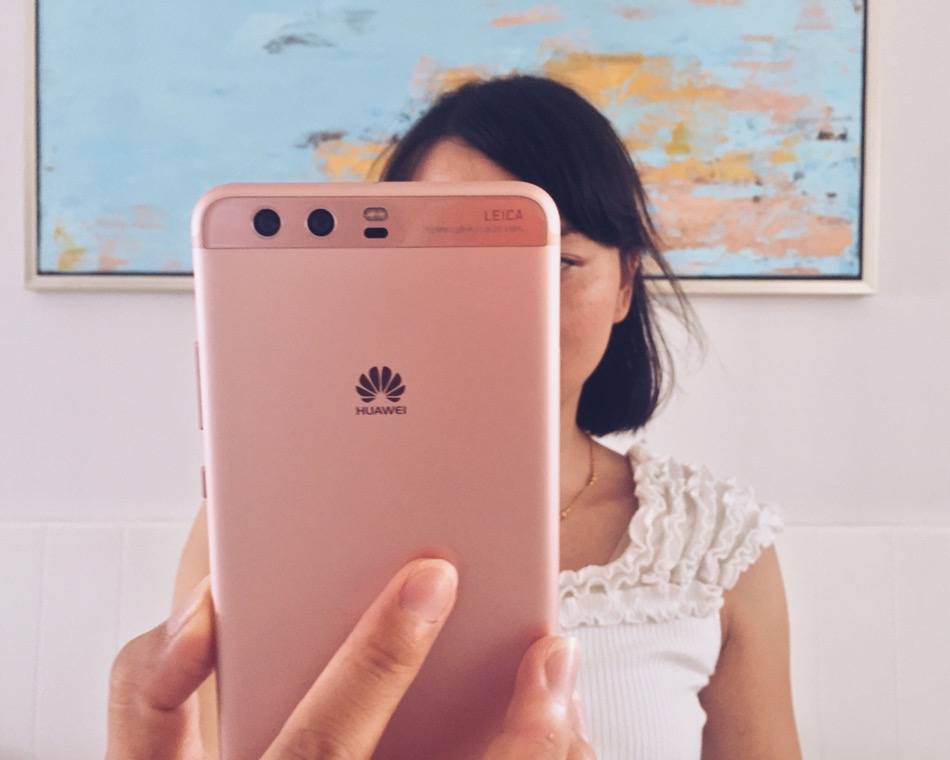
Photo credit: Tech in Asia
Fortunately, the mobile environment Huawei oversees provides many different opportunities for brand apps to reach their target audiences. Besides the usual banner ads and “Editor’s Choice” recommendations, brands can tap into other touchpoints in the ecosystem such as Huawei Video or the phone assistant feature on their handsets.
“What really turned the lever for us was when we started pre-loading [our app on Huawei handsets],” said Veitch. “We did this initially in the Middle Eastern and North African regions. That has worked really well, and we’ve since expanded into India and Southeast Asia.”
For De Luzuriaga, one of the messages his association has been trying to push to the IT community in the Philippines is to think beyond the local market. “It’s a difficult nut to crack,” he admitted, but also pointed out that Huawei’s efforts in the local market is helping Filipino developers think wider by giving them access to bigger markets.
The future of collaboration in the mobile app scene
The panelists agreed that data and analytics will play an important role in the future of app development and marketing. Kim suggested developers look into the analytics to see where user drop-offs happen or which functions are the most popular, and then improve the app accordingly. Machine learning can assist with identifying these patterns and help developers find answers.
Veitch suggested that more data sharing from app marketplaces would help in development efforts. “Data like monthly active users, daily active users, crash rates, uninstall rates, and so on [can help us figure out how to optimize our apps],” he said.
“We’re all using smartphones all day and night. Within this one object, there are so many touchpoints that hadn’t existed before but could now be used as effective marketing channels,” Kim added.
Find out more about Huawei’s app developer support initiatives and the AppsUP app innovation contest on the contest website.
This content was produced by Tech in Asia Studios, which connects brands with Asia’s tech community. Learn more about partnering with Tech in Asia Studios.
Stay updated on the go with our mobile app.
Get latest insights with smoother, more personalized experience through TIA mobile app.
Recommended reads
 Quickbytes: How Twilio can help unlock the power of customer data
 SoftBank-backed Swiggy to shed 380 employees
 Korean grocery unicorn Market Kurly partners with RedMart to enter SG
 Good Meat’s new protein alternative greenlit in SG
 ByteDance’s Slack-like offering to focus on overseas markets (Updated)
 Nykaa’s financial health in 5 charts
 I’vre ceases operations amid customer complaints, refund issues
 Telkomsel’s investment arm injects $1.9m into Indonesian health app
 The tech trends that will drive the future of Southeast Asia
 Data.ai lays off at least 11% of staff after Sensor Tower acquisition





Editing by Nathaniel Fetalvero and September Grace Mahino
(And yes, we’re serious about ethics and transparency. More information here.)



📅 Upcoming Events
22 October 2026
Payoneer x CSPN Summit 2026