- Premium Content It takes our newsroom weeks - if not months - to investigate and produce stories for our premium content. You can’t find them anywhere else.
 Will Chin · · 5 min read
This capsule hotel wants to take over budget travel in Southeast Asia
Japanese salarymen (or white-collar workers) love a drink or three at the nearest izakaya after work. However, getting home by train afterward – if trains are still running at all – can be a pain. To help them get a good night’s sleep, the world’s first capsule hotel was created in Osaka.
Called the Capsule Inn Hotel, it came with sleeping pods, complete with televisions and alarm clocks. This allowed weary salarymen to crash for the night and recharge – on the cheap.
That was in 1979. Since then, various iterations of the concept have cropped up throughout the world, from the Philippines and India to Belgium and Iceland. It also turned up in Bandung, Indonesia, thanks to Bobobox.
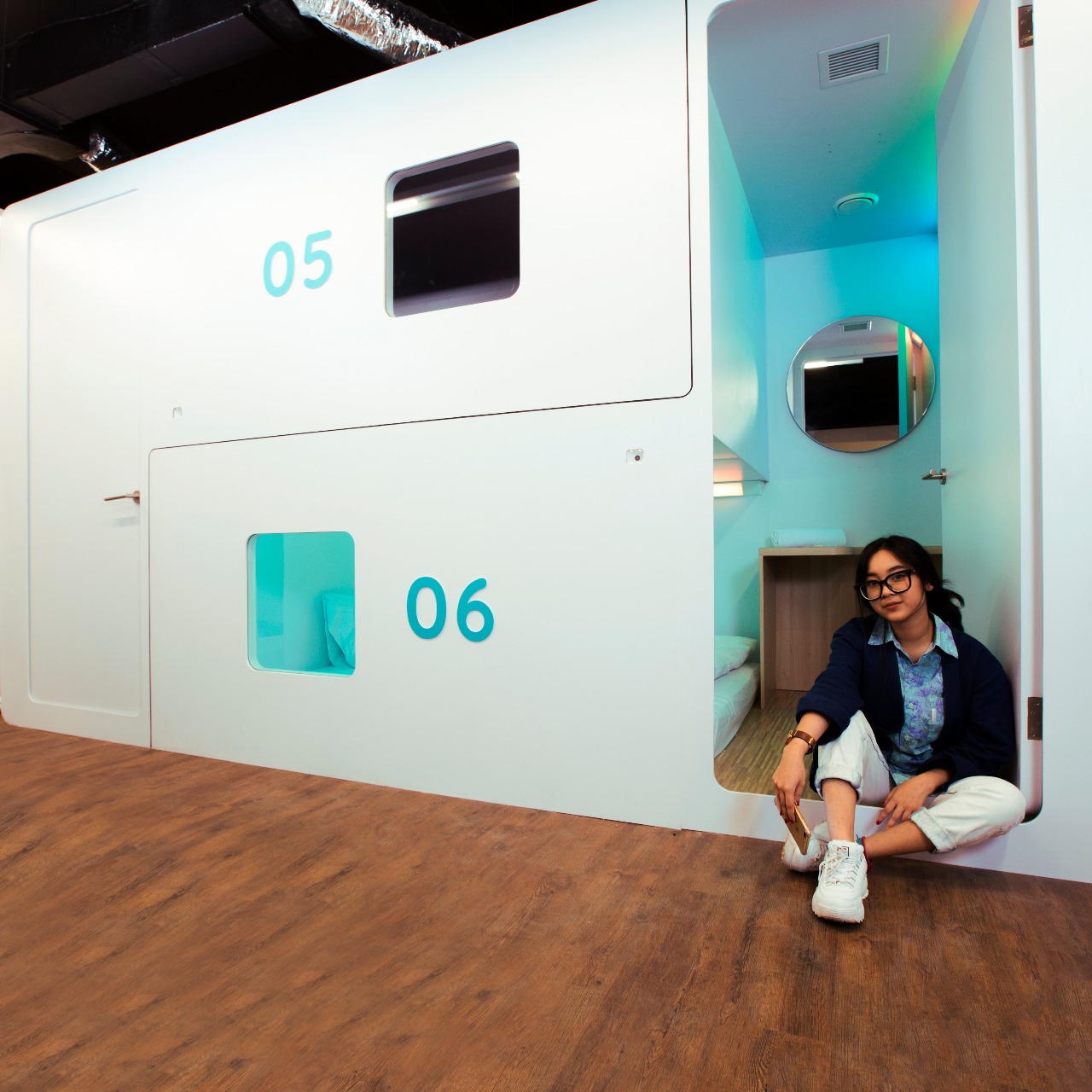
Tech In Asia sat down with Bobobox co-founders Indra Gunawan and Antonius Bong to find out how they’re different from existing budget options in Indonesia, and how the team of 30 managed to go from zero to 92 percent occupancy rate in just six months.
Sticking to the budget
In Indonesia, the influx of foreign tourists have nearly tripled from 5.5 million to 14 million between 2007 and 2017. That surge doesn’t even include domestic travelers, which account for 90 percent of all tourism in the country, according to Gunawan.
Along with that comes a growing number of millennial tourists. A recent survey by E&Y found that millennials are far more cost-conscious than their predecessors. In fact, they’re more likely to give up high-end, luxury accommodations in favor of practical, more budget-friendly options – and that’s the niche that Bobobox wants to fill.
But Bobobox is by no means the first budget hotel in Indonesia. A quick search on Google brings up a handful of competitors, each offering a lower price than the other in a seemingly endless race to the bottom.
This price war, explains Gunawan, is just not sustainable. “In the hotel business, there are many different factors to consider, such as cleanliness, convenience, comfort, services, and security. You cannot just cut cost to attract people. It compromises the experience of the guests.”
Space, on the other hand, is not an issue for capsule hotels like Bobobox. They can be situated at prime locations and still remain affordable. Besides, Gunawan says that majority of budget hotels in Indonesia are still running 50-year-old hotel management systems. “There’s just no innovation coming from there,” Gunawan says, almost exasperated.
To differentiate itself beyond mere price tags, Bobobox has turned to technology.
High-tech capsules
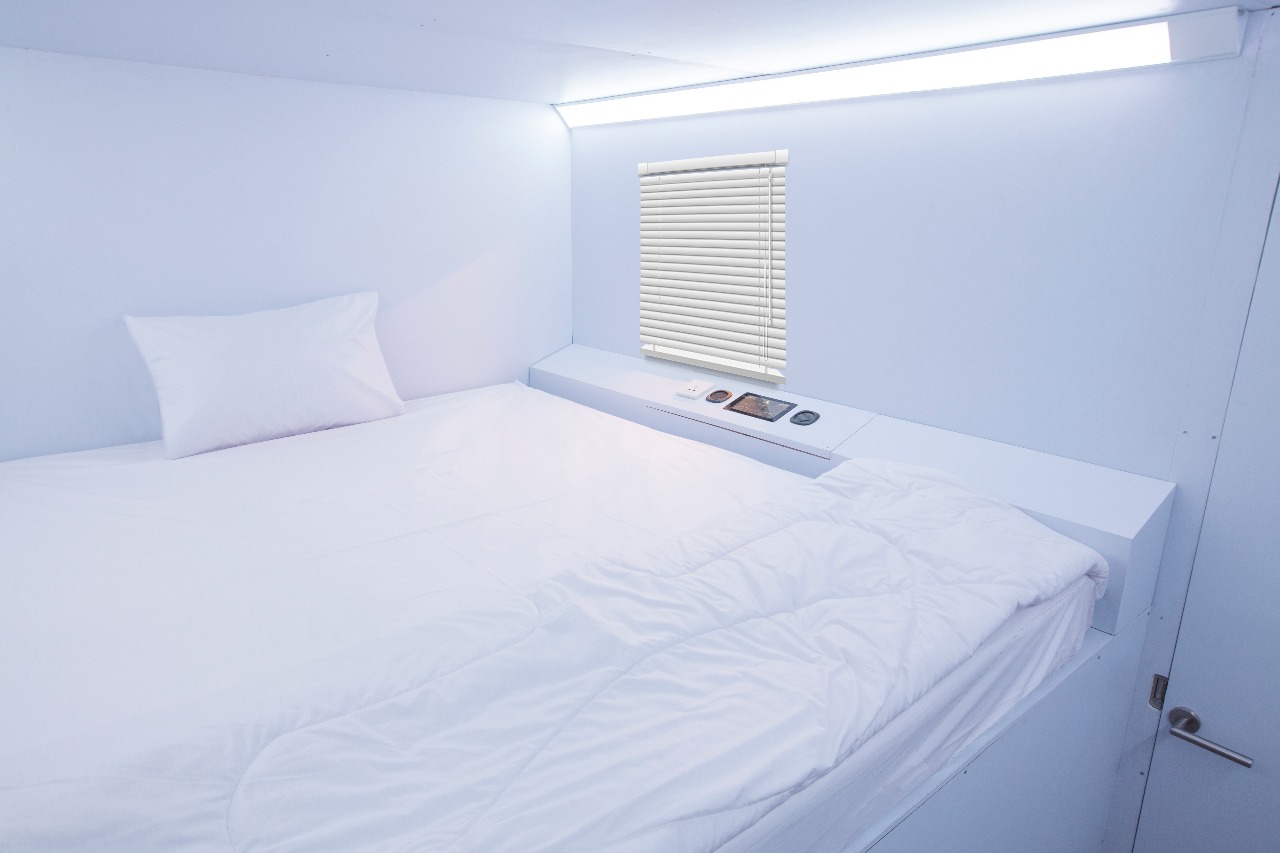
Bobobox’s first hotel comes with 62 sleeping pods: each has a king-sized bed, an air-conditioner, a compact working area, a Bluetooth speaker, a tablet device, and even aromatherapy. While they’re quite similar to most modern capsule hotels offer, what gives Bobobox the edge is the way guests can interact with their sleeping pods via an app. They can control everything, from opening and locking doors to dimming lights and adjusting speaker volumes. Checking in and out of Bobobox are also done completely via the app.
Stay ahead in Asia’s tech landscape
This is premium content. Subscribe to read the full story.
Bobobox is hitting the ground running.
We know this is not ideal. ⌛ Sign up in 20 seconds. Cancel anytime.
Our subscriber community includes professionals from these companies:





Stay updated on the go with our mobile app.
Get latest insights with smoother, more personalized experience through TIA mobile app.












📅 Upcoming Events
22 October 2026
Payoneer x CSPN Summit 2026