- Premium Content It takes our newsroom weeks - if not months - to investigate and produce stories for our premium content. You can’t find them anywhere else.
 Glenn Kaonang · · 5 min read
Indonesia’s textile woes push fashion startups to source abroad
As far as outdoor apparel go, Indonesia’s Eiger has long been considered the go-to brand for locally produced products. That’s why one social media post that showed an Eiger cap with a “made in China” label quickly went viral.
Despite Indonesia’s long history in garment manufacturing, relying entirely on local sources for raw materials can be challenging for many of the country’s fashion brands. Making things worse, Indonesia’s textile industry has been facing a major crisis since last year, resulting in about 80,000 entrenched workers so far.
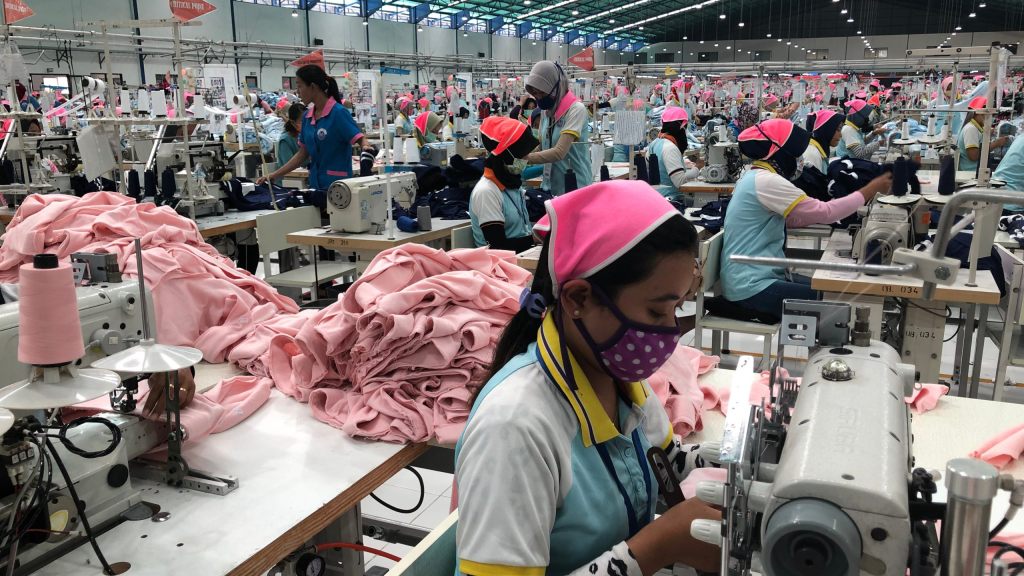
Indonesian factory workers / Photo credit: masruro / Shutterstock
Even when manufacturing takes place entirely locally, it’s common to see materials sourced from countries like China. However, for some fashion startups in Indonesia, this is a necessary compromise.
Shopping overseas > locally?
Ben Wirawan, co-founder and CEO of travel gear brand Torch, says that Indonesian consumers are increasingly exposed to international products, pushing local brands to adapt.
“Consumers are aware of the materials and accessories used by foreign brands, so their expectations for Torch are to match that quality,” Wirawan tells Tech in Asia Indonesia.
While Torch designs its products entirely in-house, it outsources its production processes to partners across the Java island. The company says that it recorded close to US$10 million in revenue for 2023.
See also: Init 6 adds travel gear brand Torch to D2C portfolio
However, Wirawan notes that Indonesia’s textile suppliers and manufacturers still struggle to meet expectations of fashion retailers. For instance, the quality of domestically produced threads and other materials lag behind those shipped from China.
“What I consistently ask the government is for the upstream industry to be more innovative so we don’t have to rely on imports,” he says.
The same sentiment applies to other categories like footwear, according to Yukka Harlanda, CEO of Indonesian shoe brand Brodo. The quality gap can even be several levels apart for raw materials whose production requires advanced technology, he explains.
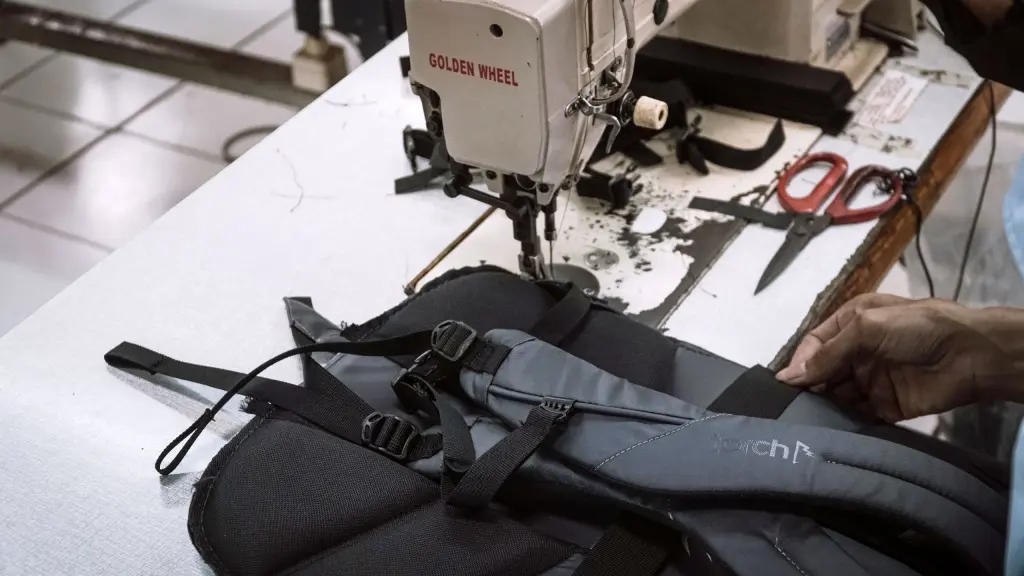
Photo credit: Torch
Another advantage in sourcing raw materials from overseas is flexibility. Wirawan notes that Chinese factories allow customers to purchase in smaller quantities – as little as two meters of fabric.
Local pride
Finding the right partners
Stay ahead in Asia’s tech landscape
This is premium content. Subscribe to read the full story.
As local startups scale, some are increasingly turning to international suppliers instead of sourcing materials locally.
We know this is not ideal. ⌛ Sign up in 20 seconds. Cancel anytime.
Our subscriber community includes professionals from these companies:





Stay updated on the go with our mobile app.
Get latest insights with smoother, more personalized experience through TIA mobile app.











📅 Upcoming Events
22 October 2026
Payoneer x CSPN Summit 2026