Harsimran Julka · · 5 min read
An Uber ride during Diwali and what I learnt about apps that can’t be used by millions
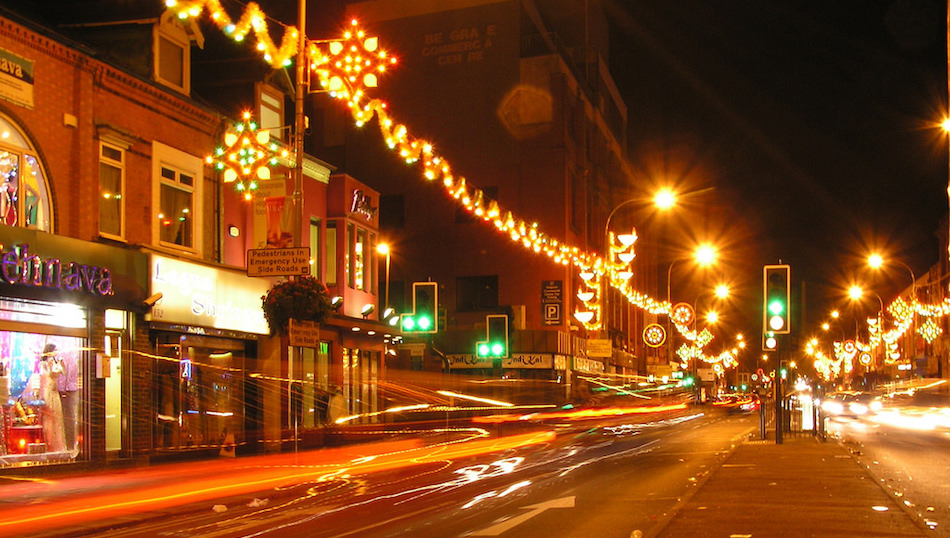
Photo credit: R4vi.
This is Diwali season in India – the festival of lights, gifts, and joy, when migrants from all over come back home. And I am in an Uber cab in Delhi. The person I am pooling with is wearing sunglasses. It’s about nine in the night.
He is talking to someone on his mobile phone, consoling her, saying that he will be there for her. After his call gets over, I suddenly hear strange voices in the cab. He is hearing WhatsApp and Facebook messages, sticking his Android phone to his cheek, close to his ear.
I glance at his phone’s lit screen. Foodpanda, Gmail, Flipkart, WhatsApp, Facebook, Ola, Google Drive, and of course Uber. I notice that he did not see me looking.
I hear all those motivational messages – the usual forwards – on his WhatsApp, being read rapidly by an American-accented male voice. “It’s a wonder you can decode the language when it is in a foreign accent. That too when it is playing super fast,” I remark, breaking the ice between us.
“It has become a habit now,” he says. I address him as Hemant — the name displaying on the UberPool app.
“I am Raman. Hemant is just an alias to earn another free ride with Uber. I created a fake account,” he tells me.
Then I learn that Raman a.k.a Hemant is a graduate of St Stephen’s College in Delhi, who got picked up by the Uber cab from Corporation Bank, where he works, near Connaught Place. Raman is visually challenged.
The security guard from the bank helped him board the Uber, the driver told me, later.
My favorite app
“Which is your favourite app?,” I ask.
“Uber is one of the most accessible,” he tells me. His Android speech reader can easily read the buttons on the Uber app.
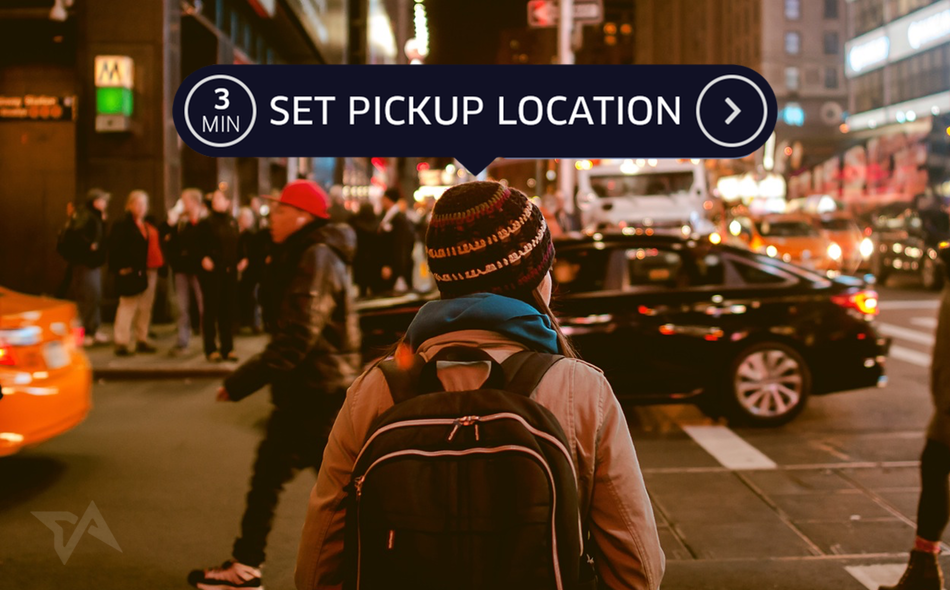
Image uses photo from Pexels.
“What about Ola?,” I ask.
The problem of Captcha
When apps become #NotOkay





Stay updated on the go with our mobile app.
Get latest insights with smoother, more personalized experience through TIA mobile app.