 Osman Husain · · 4 min read
This app lets you create mobile AR and VR content without writing any code

Photo credit: Maurizio Pesce
It’s impossible to ignore the hype surrounding virtual reality (VR). From Facebook buying Oculus Rift for a colossal US$2 billion, Google-backed Magic Leap rumored to be raising up to US$1 billion, as well as theme parks embracing VR, it’s clear the technology has, to put it mildly, a vibrant future. VR’s less-illustrious predecessor, Augmented Reality, may not have taken off the way some analysts predicted, but VR is sleeker, smoother, and sexier. After all, what’s not to love about tech that embraces both the physical and digital worlds?
Of course, as VR devices gain mass-market acceptance, there’s going to be demand for content. The possibilities are endless – this is a brand new arena for developers and publishers, unlike anything we’ve seen before. The best part is that there’s currently no single operating system or marketplace which has a monopoly over the tech. The likes of Oculus Rift, Magic Leap, and Google Cardboard are all working in silos and aren’t unified on a single platform – akin to Android or iOS.
That’s the opportunity WakingApp hopes to tap into. The Israel-based startup, which recently secured US$4.3 million in series C funding, is set to launch a software which will help anyone create AR and VR content without writing even a single line of code. The content will be live within seconds of publishing, and transferable to all major platforms in use today.
“For mobile apps, generally, you need to get a developer, and build separate apps for iOS and Android, and then wait for approval,” says Alon Melchner, founder and president of WakingApp. “It takes a lot of time and you have to be experienced. What we’ve successfully done is that you can create unlimited types of content, such as games, without learning how to code.”
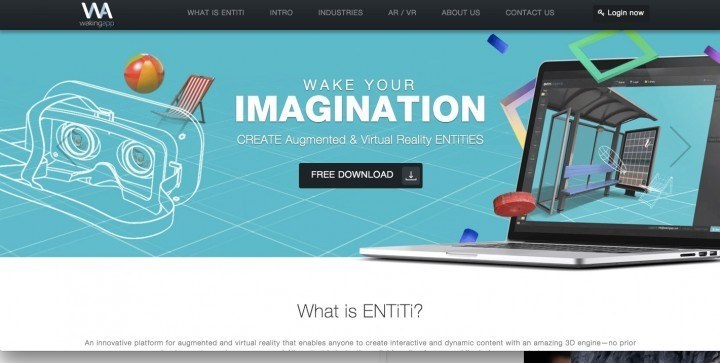
WakingApp is a desktop application, for both PC and Mac, which you can download and then tweak to your fancy. It works in a similar way as popular software like Flash, Powerpoint, or Photoshop. In the application you can upload files from your computer, such as audio files, or video objects, and play around with the embedded tools to create a VR experience of your fancy.
“It takes out all the headaches from technology. You can be a graphic designer and upload it using drag and drop, save it, and it’s all online immediately. This is like the greatest thing about it,” says Alon.
Inspired by family
Alon is also an experienced digital marketer. He started his own digital agency in 1996, when online marketing was still in its infancy. After several years dabbling in online strategy, his pivot towards building immersive technology came from a burning desire to entertain his son.
“I wanted to write books for my new son, so I created a real, physical book for kids with pictures and stories,” outlines Alon. “But, as a marketer, someone who understands the space, I wanted to make the book more unique and engaging. This was around four years ago.”
So Alon hired two developers and the team started to code AR solutions. They created several books and games for kids to enjoy both the digital and physical worlds. The startup eventually grew to a point where the founders understood their proprietary tech could be used in other applications as well.
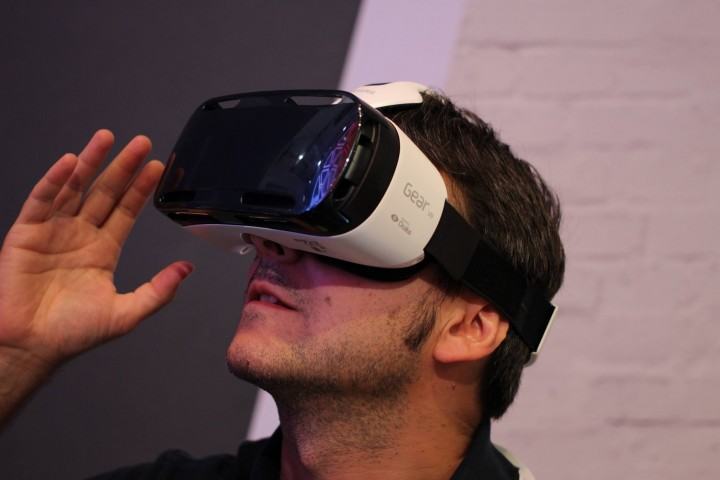
Photo credit: Maurizio Pesce





Stay updated on the go with our mobile app.
Get latest insights with smoother, more personalized experience through TIA mobile app.













📅 Upcoming Events
22 October 2026
Payoneer x CSPN Summit 2026