Gabriel Budi Sutrisno · · 2 min read
Baidu looks to add 200 driverless robotaxis in 2023
Chinese internet giant Baidu said it aims to add 200 completely driverless robotaxis into its fleet in China by next year after the firm was granted a license in Beijing to test fully driverless vehicles on public roads.
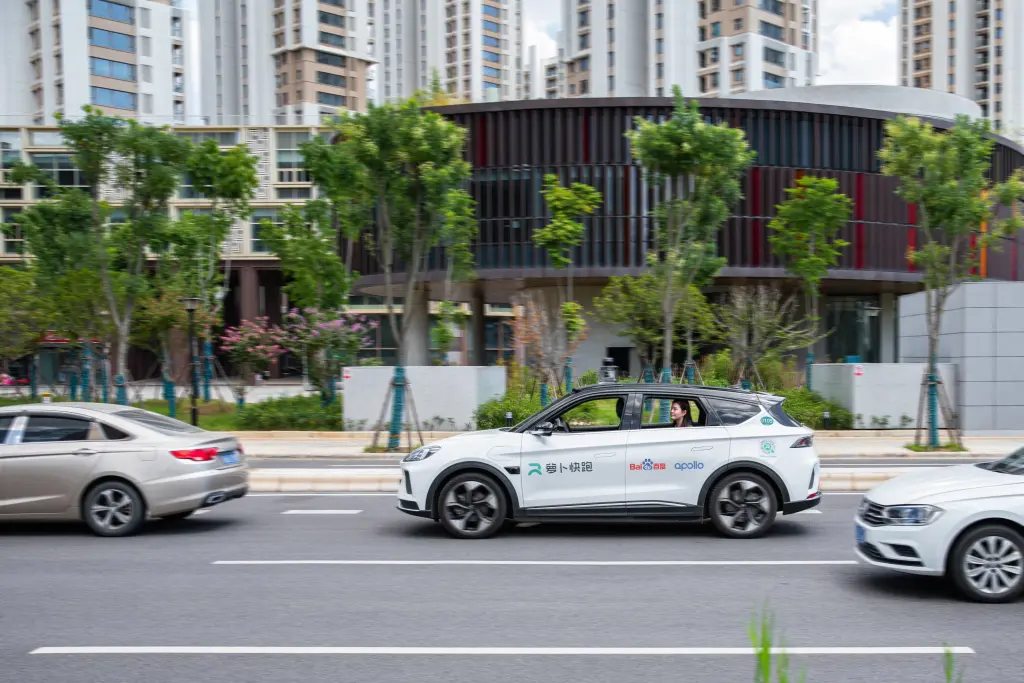
Photo credit: Baidu
A fully driverless vehicle would mean no driver or safety operator in the car. A total of 10 test vehicles will travel across an area of 20 square kilometers in Beijing Yizhuang Economic Development Zone, the firm said.
The company said the license takes it one step closer to providing driverless ride-hailing service to residents in the Chinese capital. This refers to cars that require no human supervision.
Baidu aims to build the world’s largest fully driverless ride-hailing area. Besides being tested in Beijing, its driverless service is also available in Chongqing and Wuhan.
Apollo Go, Baidu’s current autonomous ride-hailing platform, is already available in more than 10 major cities across China. Robin Li, co-founder and CEO of Baidu, noted in its earning reports last month that Apollo Go had already completed 474,000 rides in the third quarter of this year.
Earlier this week, Baidu announced that it was expanding its robotaxi service in Wuhan by tripling the size of its operation area, increasing the number of robotaxis, and expanding operating time to include key evening hours.
See also: Baidu’s financial health in 5 charts
Editing by Thu Huong Le and Arpit Nayak
(And yes, we’re serious about ethics and transparency. More information here.)





Stay updated on the go with our mobile app.
Get latest insights with smoother, more personalized experience through TIA mobile app.