- Insights This article was written by a TIA community member. Insights pieces undergo the same rigorous editorial process that newsroom-produced articles have.
 Casey Abel · · 6 min read
Want to avoid the next Soham? Fix your remote hiring process
If you’re a founder or VC and haven’t heard of Soham Parekh by now, you must have been living under a rock.
The India-based software engineer was exposed to have worked for several Silicon Valley-based companies simultaneously, including Y Combinator-backed startups. The news went viral, with memes galore in tow.
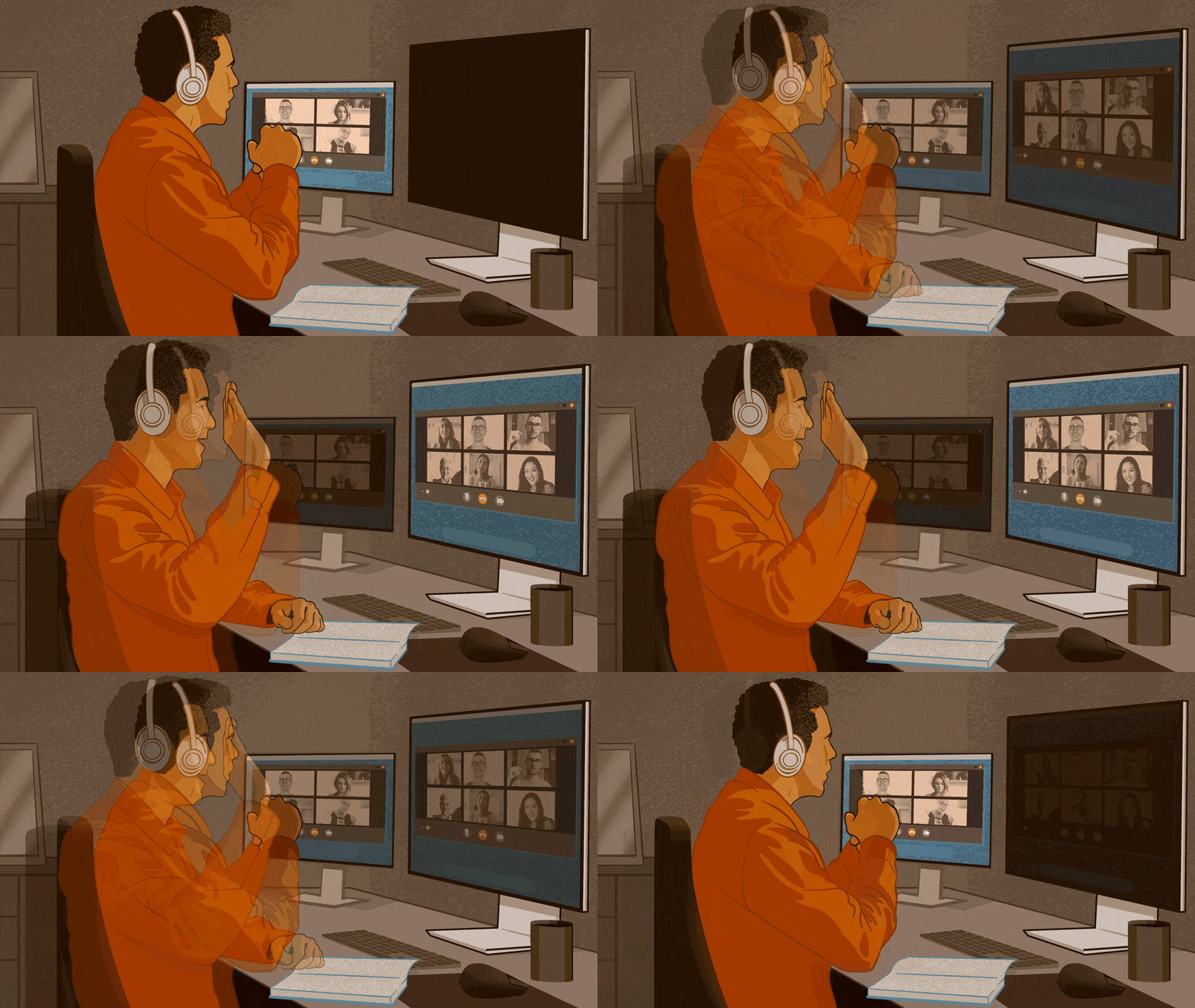
Image credit: Timmy Loen
There is certainly humor to be found in the situation. That said, it doesn’t expose a remote work problem, but a structural issue with how startups hire remotely.
As someone who’s worked in Japan’s human capital and tech sectors for over 15 years, this situation didn’t surprise me, as I’ve seen similar issues with clients across Asia Pacific. In the last two months alone, I can think of two clients who caught employees working second jobs without approval.
Let’s dive into where startups go wrong with remote hiring and how to address these issues.
Where startups go wrong
There are three areas startups can struggle with in remote hiring that could lead to a Soham-like situation.
First, verification gaps are a common issue, where a company lacks a structured vetting process for candidates at the early stages. Many companies are being flooded by bot-driven applications of candidates that aren’t even real, particularly on LinkedIn.
Second, prioritizing technical skills over cultural fit can be a danger. If new hires don’t align with your company’s values and work environment, there’s a greater chance that they would feel comfortable taking a second job without your knowledge.
See also: Singapore’s C-suite goes freelance
Third, using weak or outdated assessments could lead to unqualified candidates being accepted.
Technical assessments may not be the best way to evaluate a remote candidate, particularly in the AI age. While being able to use AI is a requirement for many jobs, it can make assessing a candidate’s true abilities tough. Some US companies have even reverted to in-person assessments to address this issue.
Soham-proofing your startup
Now that we’ve identified the cracks where a Soham can slip through, how can startups address them?
Verification gaps
Talent density requires discipline
Stay ahead in Asia’s tech landscape
This is premium content. Subscribe to read the full story.
Everyone’s laughing at Soham, but for startups hiring remotely, he exposed real flaws. If your company is scaling across borders, you’ll want to read this.
We know this is not ideal. ⌛ Sign up in 20 seconds. Cancel anytime.
Our subscriber community includes professionals from these companies:





Stay updated on the go with our mobile app.
Get latest insights with smoother, more personalized experience through TIA mobile app.










📅 Upcoming Events
22 October 2026
Payoneer x CSPN Summit 2026