Deepti Sri · · 4 min read
500 Startups-backed cleantech firm to raise series A funding
Countries began going on lockdown a year ago amid spiraling Covid-19 infections and deaths, but at least one silver lining has emerged from this global crisis. Movement restrictions have caused a sharp drop in emissions from burning fossil fuels – the largest since the Second World War.
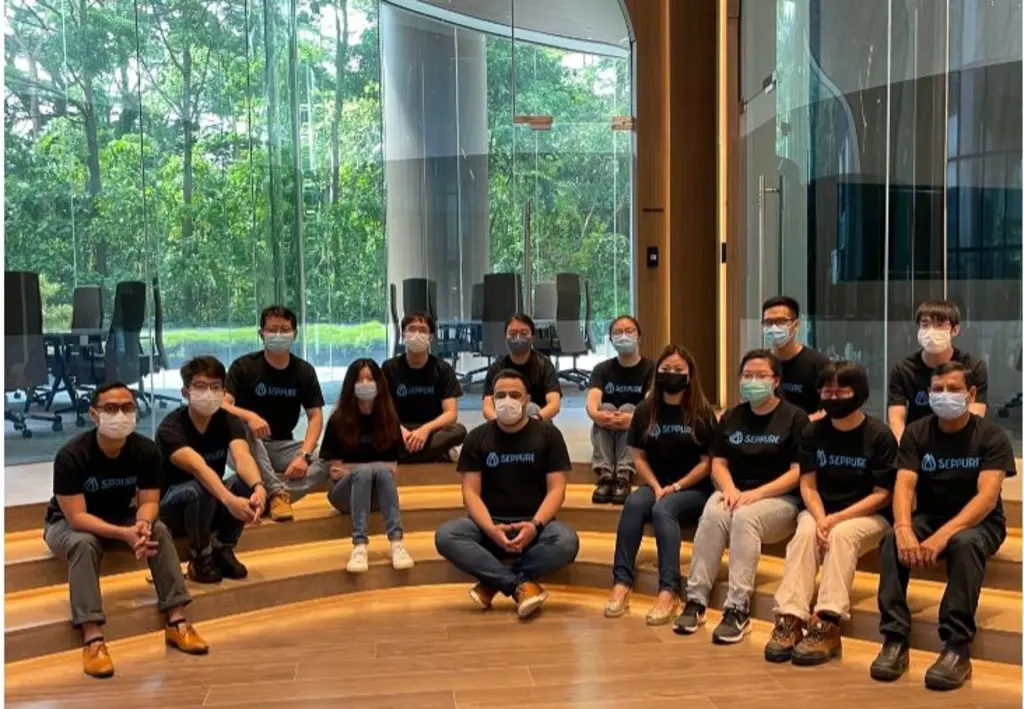
The Seppure team / Photo credit: Seppure
Clearly, 2020 was an unusual year and emissions have already started to go back to pre-lockdown levels. However, Singapore is working to reach its targets under the Paris Agreement. The country expects its emission rate to hit a peak of 65 million tonnes by 2030, and it aims reduce that in half to 33 million tonnes by 2050. It’s looking to achieve net-zero emissions by the second half of this century.
In order to meet the Paris Agreement’s overarching goal of curbing global warming, bigger cuts in emissions will be needed for the rest of this decade.
Seppure, a cleantech startup based in Singapore, wants to contribute to the city-state’s sustainability plan by slashing energy consumption during the process of chemical separation.
“With Singapore and the wider region being home to vibrant manufacturing-intensive industries including food, pharmaceutical, semiconductor and oil refineries, there is an urgent need for sustainable processes in chemical separation,” said Mohammad Farahani, a chemical engineer who established Seppure in 2018.
Chemical separation is a crucial production process for the world’s biggest industries. However, refining edible oil involves a series of distillation columns, evaporators, stripping columns, and condensers, which requires a large amount of energy. Chemical separation processes account for about 15% of the world’s entire energy consumption.
Seppure is trying to solve this problem with its nanofiltration technology, which is designed to reduce the need for electricity in the process of chemical separation. According to the company, this technology is capable of cutting carbon emissions by 50% to 90% compared to conventional methods of chemical separation.
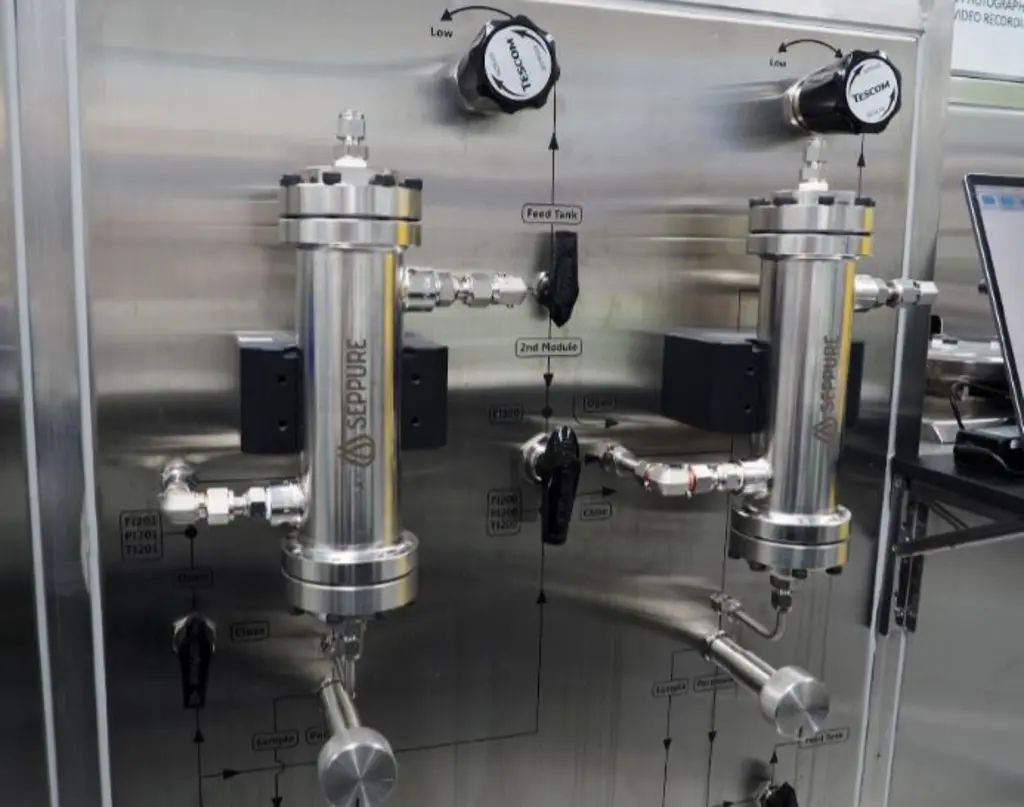
The pilot setup of the chemical separation process / Photo credit: Seppure
The company focuses on vegetable oil extraction from edible oilseeds including soybean, palm, and sunflower, among others. Usually, oil extraction is done using hexane, a chemical component that helps separate oil from the seeds.
Seppure’s nanofiltration technology removes the need for heat, which is commonly used for the chemical separation process from distillation to evaporation. The nanofilters use chemically resistant membranes with pores less than 1 nanometer in diameter to enable chemical separations at a molecular level.
In the process of raising series A funding
To scale the commercialization of this product, the company is in the process of raising US$15 million in its series A financing. While details about the investor that will lead the fundraise have yet to be finalized, Seppure aims to close the round in the next three to four months.





Stay updated on the go with our mobile app.
Get latest insights with smoother, more personalized experience through TIA mobile app.