 Daniel Tay · · 8 min read
The rise of coliving spaces is bringing digital nomadism to the next level
Digital nomadism first sprung up as an answer to the question, “You can work anywhere you have internet, right? So, why are you still here?” This was the very question that a friend had asked Pieter Levels – of “12 startups in 12 months” fame – and got him working his way across Asia.
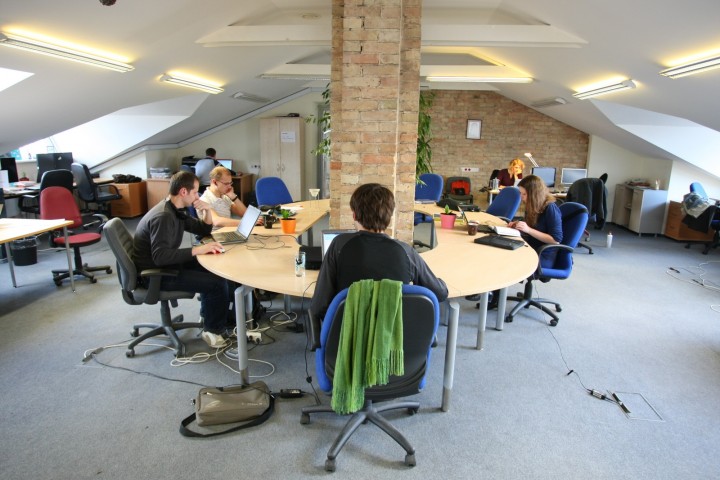
For this fast-growing group of people, coworking spaces are popular spots because they offer all the essentials necessary for getting work done – a stable wifi connection, steady flow of electricity, serendipitous encounters with a community of like-minded people, and in some cases, free-flow caffeinated beverages.
But that’s not enough for this new generation of workers. Lately, there has been an increase in demand for spaces in which, above and beyond just working together, digital nomads can live with each other as well. These new enclaves are dubbed coliving spaces.

Pieter Levels, whose 12 startups in 12 months initiative inspired many to take digital nomadism seriously, posing for a photo.
“Staying in hotels isn’t optimal, and remote workers need a lot of specific stuff, like fast internet and services, so they don’t get distracted from working,” says Levels. Coliving spaces would ideally be able to bring the two worlds together.
Coliving isn’t exactly a new concept. It became popular in late-2013 – especially in expensive places like the Bay Area – as aspiring entrepreneurs looking to stretch their money as far as possible thought it wise to squeeze together in group houses.
Most digital nomads are, however, not doing it for the sake of saving dollars and cents. For them, it’s simply a matter of convenience, and Levels sees it as a natural progression of the nomadic lifestyle, especially as more and more people are jumping on the remote work bandwagon. For the mainstream crowd, though, flying to the other side of the world alone and staying there for the long haul can be a rather intimidating notion.
According to Levels, it helps to have some kind of community already in place wherever they are going. While such communities used to be limited to coworking spaces or online forums, now coliving spaces offer an alternative and attractive all-in-one option.
“People want to meet other people, and so living and working together is not a weird thought,” he explains. “It sounds a bit like the commune or kibbutz-type housing we had over 50 years ago. That’s coming back, I think.”
Another reason why coliving options might be more appealing to those looking to travel beyond Southeast Asia is because of the exorbitant prices of housing, especially in places like Europe and the US. The rationale even applies to those not traveling to Southeast Asia. Levels adds:
Living costs have reached record highs in 2014 in most big cities in the West. Many people have become unemployed due to automation replacing jobs, and the recession that doesn’t seem to end in many places. So here you have a lot of smart people without jobs, they’re starting to try generate an income online. So they learn how to make websites, mobile apps, do online marketing, and so on. And meanwhile their rent is going up like crazy. So the next step is, ‘Hey, I can do this in cheaper places with a better quality of life,’ and then it flips.





Stay updated on the go with our mobile app.
Get latest insights with smoother, more personalized experience through TIA mobile app.











📅 Upcoming Events
22 October 2026
Payoneer x CSPN Summit 2026