
Imagine this: A host takes to the stage in an event space, leading participants through what to expect from their enrollment in an accelerator program – except there is no physical audience in the venue. Instead, participants are connected to a livestream and send in questions in real time via a chat box.
Such is the order of things in the new normal, one in which businesses have had to adapt in order to stay competitive and keep their audiences engaged. Accelerator programs are no exception, with some adopting hybrid event formats that combine online and offline experiences. In the March 2020 batch of Taiwan-based AppWorks Accelerator, for instance, things deviated from the program’s previous structure of on-site mentoring and networking sessions in the lead-up to its pillar event, Demo Day.
As a whole, the program guides startups of all growth stages in Greater Southeast Asia (GSEA), which includes all 10 nations under ASEAN, with the addition of Taiwan.
“Prior to Covid-19, [startup] founders would fly to Taipei to participate in and make full use of our program in an allocated co-working space,” shares Alyssa Chen, who heads AppWorks Accelerator. “Being able to refine each other’s pitches and work long hours together helped to create an irreplaceable bond between the founders, which made them feel like they weren’t fighting alone.”
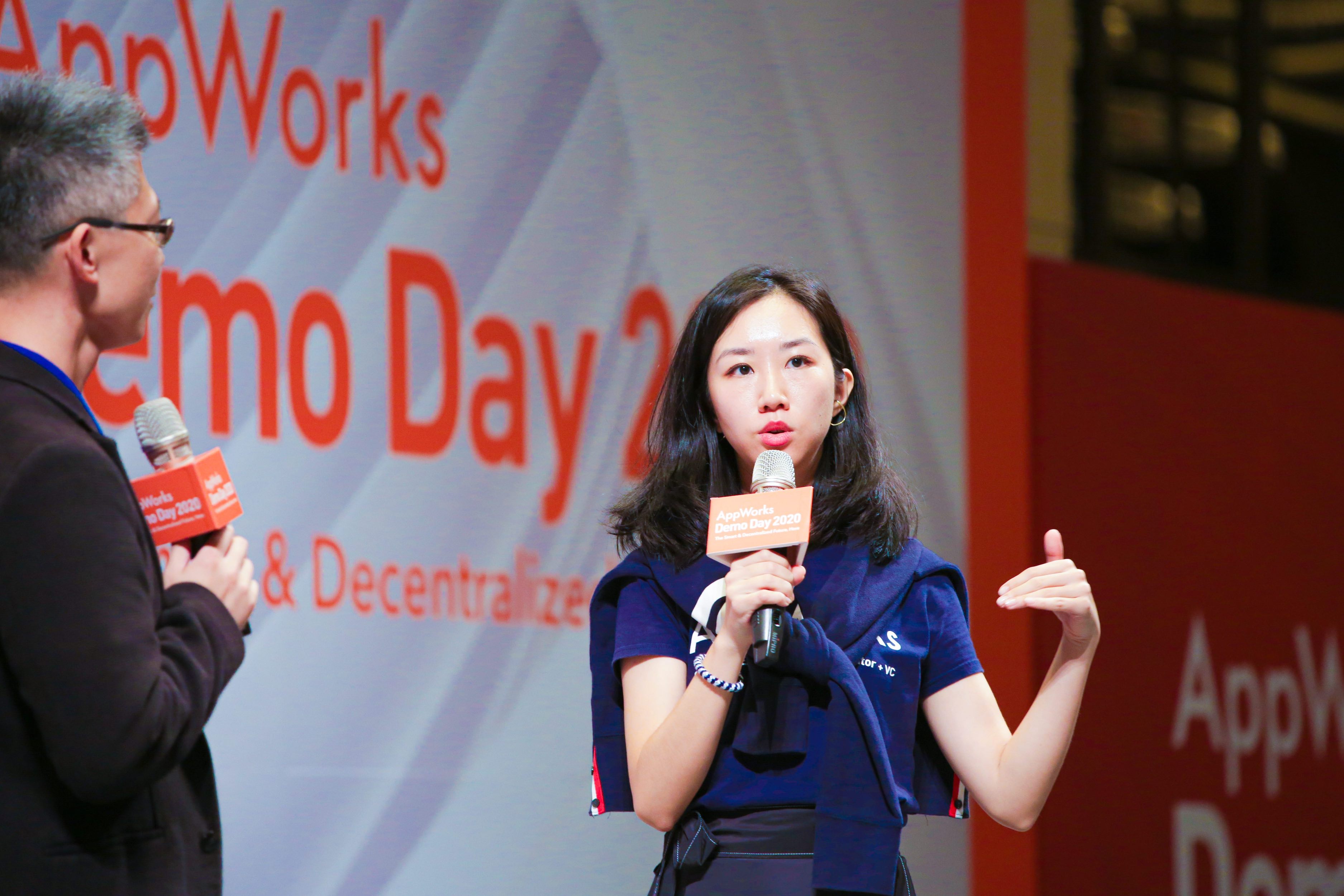
Alyssa Chen, head of AppWorks Accelerator. / Photo credit: AppWorks
With countries imposing travel restrictions, however, Chen saw the need to find a way around the hurdle. She adds: “We always encourage startup founders to adapt to changing situations and decided to adopt that same entrepreneurial spirit by designing a hybrid accelerator.”
Teething issues
Adapting to this model was born out of necessity, notes Chen. With around 60% of AppWorks Accelerator’s participants hailing from Indonesia, Vietnam, the Philippines, Singapore, and Hong Kong – markets where lockdown restrictions sent most people to work from home – implementing a hybrid format was necessary to keep the show running for the 10-year-old accelerator.
Naturally, the decision presented a set of challenges.
“We knew founders wouldn’t be able to physically meet each other during the program,” Chen says, adding that people also naturally get more distracted in an online setting as well.
To tackle this, AppWorks executed a series of changes. For one, it broke participants up into smaller groups of six to eight as part of the founder’s journey sharing session at the start of the accelerator – during which time startup founders took turns to talk about the obstacles they faced and how they overcame them.
In addition, the participants were given the opportunity to engage in one-on-one sessions with AppWorks’ over 100 mentors to discuss their fundraising plans and business strategies – a stark change from previous batches, where participants spoke in groups of up to 70.

Mentors in attendance at the March 2020 intake of the AppWorks Accelerator . / Photo credit: AppWorks
According to Chen, this put startup founders at ease and allowed them to share more authentic stories and exchange learning points despite most of them having never met before.
“Through this new approach, we were still able to facilitate bonding between founders in a virtual setting, allowing them to connect with like-minded peers from across the region,” she notes. By encouraging founders to help each other, the program also creates a positive cycle, which Chen says is the “most valuable thing that founders can benefit from through our community.”
One startup founder that has leveraged on the AppWorks Accelerator is Alan Chan, co-founder and CEO of Omnichat, a Hong Kong-based customer relationship management startup. Chan participated in the program in 2018, and remains a part of the AppWorks community. In 2020, the startup raised US$800,000 in a seed round led by AppWorks Ventures.
“Being an entrepreneur is tough and lonely,” Chan admits. “Through the AppWorks community, I’ve successfully connected with all platform partners I need, found my product-market fit, and exchanged ideas regarding my business model and management skills with partners, mentors, and fellow founders. It’s fully enriched my entrepreneur life.”
Beyond the support offered by the accelerator’s close knit community, another area that has remained unchanged despite the pandemic is the selection process for the accelerator program.
Rather than focusing on each startup’s business model, AppWorks positions itself as founder-centric. It mainly looks at three criteria when selecting applicants: a startup founder’s determination (the heart), their ability to learn and adapt (the head), and their ability to deliver on execution (the hand).
A numbers game
Given that the five-month accelerator takes place twice a year in March and September, AppWorks had little time to refine its hybrid format. As the pandemic worsened and countries in the Greater Southeast Asian region began implementing travel restrictions, the team made the decision to pivot its program in early February – just a month prior to the accelerator’s first intake this year.
“Just like how a startup builds a product, we chose to first launch our minimum viable product and then gather participants’ feedback before iterating our program,” Chen explains.
Despite the short timeframe, the first hybrid AppWorks Accelerator launched without delays, with 28 startups and 44 founders from eight countries taking part in its revised curriculum. The heart of the program, however, remained the same: to continuously support founders in both their personal and business growth. This extends to batch graduates who continue to be supported by AppWorks and its founder community.
“Rather than teach founders how to run a startup, we provide them the right opportunities by facilitating connections with the right people – whether mentors, potential investors, or potential business partners,” Chen adds, explaining that startups don’t ordinarily have the bargaining power nor connections of more established corporations. By providing founders with a conducive environment to know each other and build trust, this might lead to a potential collaboration or help founders find a lifelong mentor.
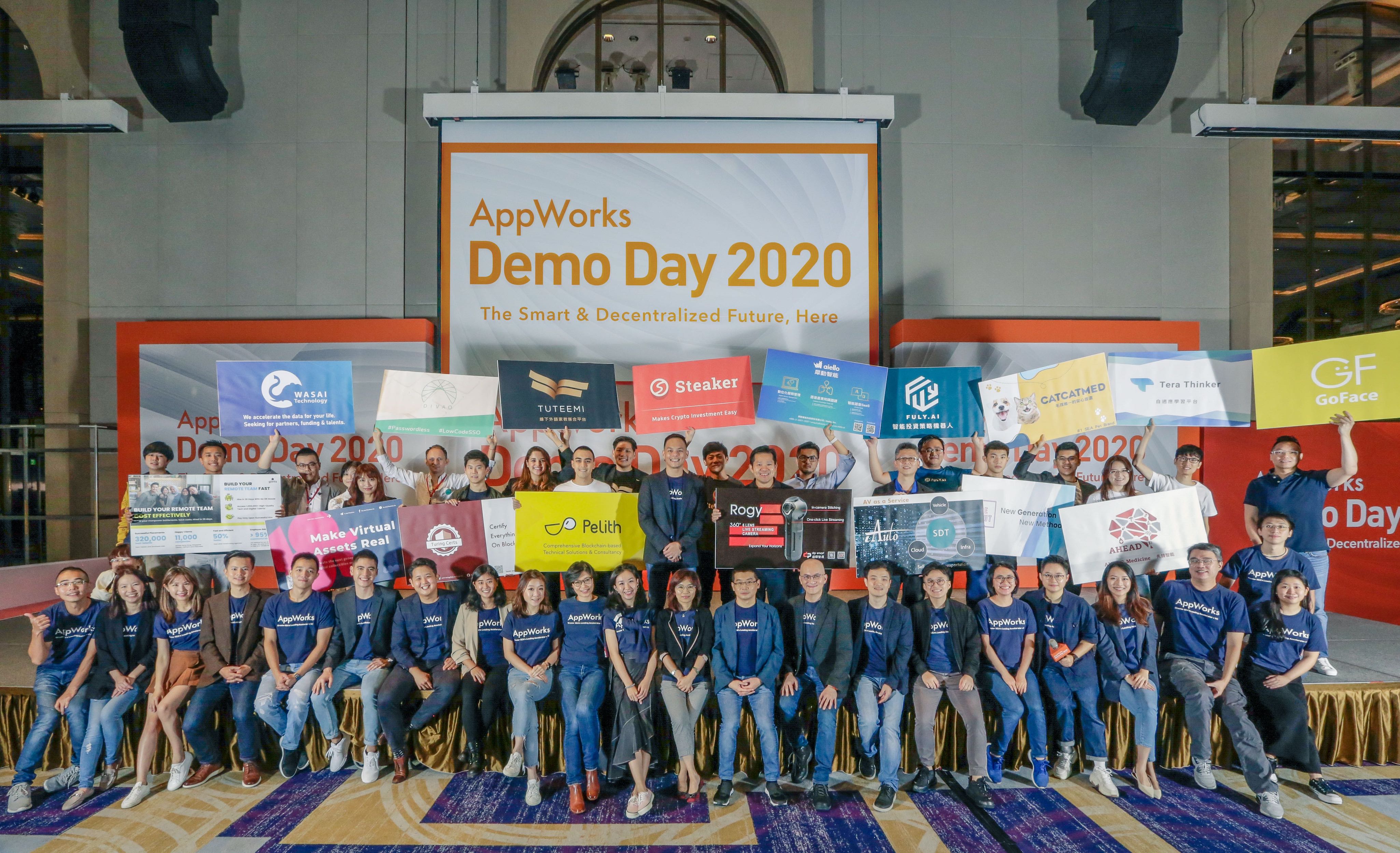
The AppWorks team with startup founders at Demo Day 2020. / Photo credit: AppWorks
And since most founders would be delivering virtual pitches from outside Taiwan, AppWorks tailored its events for startups that are facing different markets. As part of the program’s Demo Day, for instance, AppWorks crafted an on-site event in Taipei for startups looking to expand into Taiwan. It also launched AppWorks GSEA Showcase 2020, a virtual week-long campaign that allowed regional stakeholders to access startups’ pitches and foster potential collaborations.
According to Chen, these additions as part of the hybrid format have benefited both AppWorks participants and investors.
“Because investors and regional strategic partners cannot easily travel to different markets now, they’re more reliant on accelerators to source for talented or promising startups,” she adds. Meanwhile, startup founders fresh from AppWorks’ newly hybrid accelerator said they preferred the intimate setting because it allowed them to be “more relaxed and have in-depth conversations with each other.”
Making it better
Chen is quick to admit, however, that running a hybrid accelerator has its limitations.
Prior to the pandemic, the accelerator was focused on grooming startups that were looking to establish a presence or expand their reach in Taiwan as in the case of past alumni such as Omnichat and Singapore-headquartered cashback platform Shopback. This became more difficult thanks to border restrictions, even though AppWorks managed to secure the Taiwan Entrepreneur Visa for founders from Singapore and Hong Kong, allowing these international startups to focus on their expansion plans in the country.
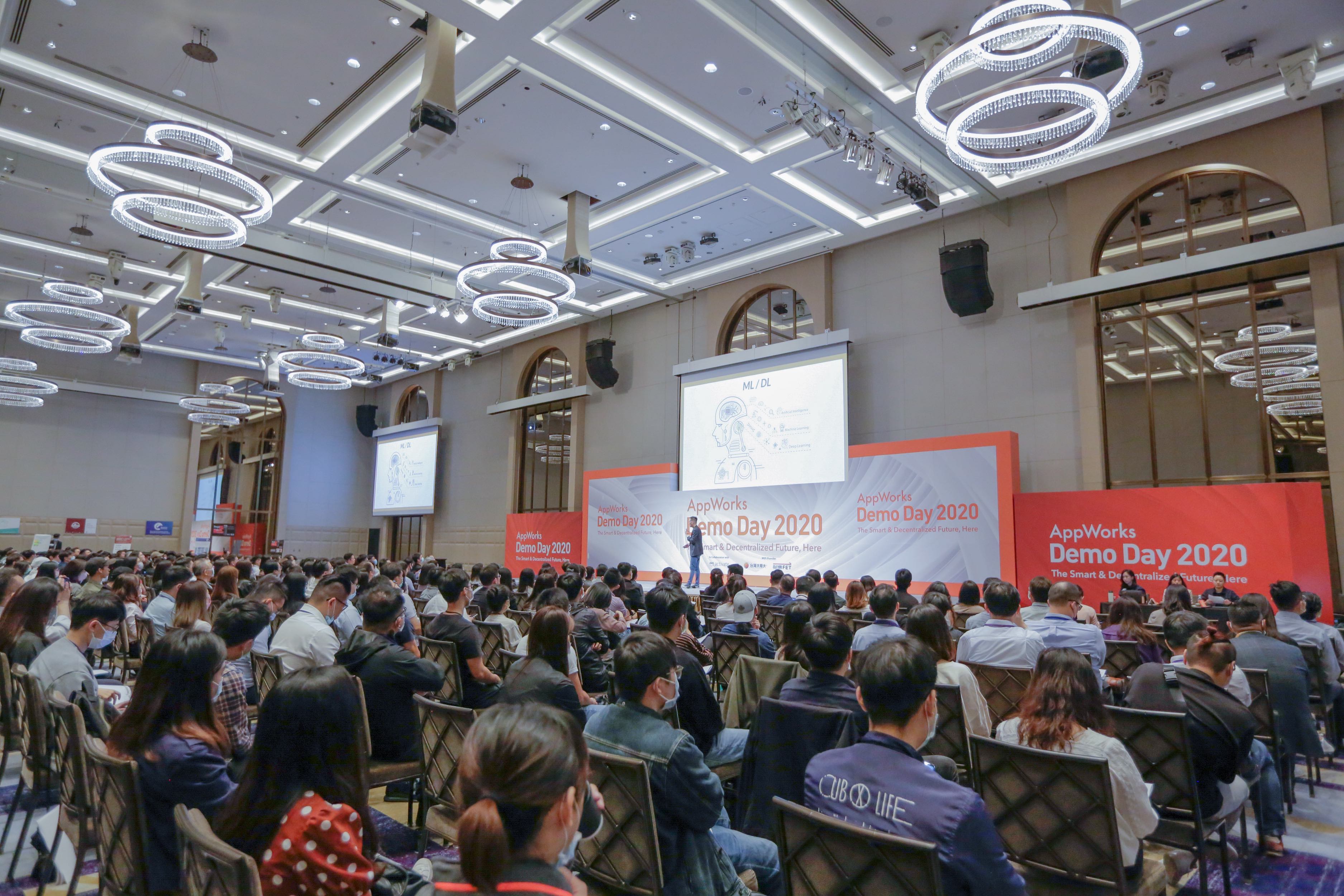
Startup founders attending Demo Day 2020. /. Photo credit: AppWorks
“We can connect startups to the right stakeholders, but we can’t solve certain things, such as expediting a startups’ expansion plans,” she says. “Before Covid-19, startups could physically come to a market they were targeting – like Taiwan – and have business meetings to build up offers for themselves. It’s still possible in the future, but travel restrictions have slowed things down for now.”
Despite the hurdle, AppWorks intends to continue building its 1,300 member-strong founders community and guide participants to facilitate relationships with each other in an online setting.
“Even though our format is changing, our core focus of helping startups grow remains,” Chen says.
With the mix of opportunities and challenges brought on by the pandemic, Chen believes that the hybrid model is not a temporary means of doing things but a transition into the future of accelerators.
The format hasn’t just given startups and investors access to a wider stage in the virtual space, but it’s also allowed participants to build closer bonds with each other and with mentors across different countries. A Vietnamese marketplace startup from the accelerator’s latest batch, for instance, managed to secure its first round of funding from AppWorks’ mentors.
“We plan to continue running the hybrid model to serve founders that are facing different markets and keep refining our program design. It’s a process for us,” Chen says. “This would ultimately help us decide what’s helpful for founders, and how to use this model in both an online and offline setting.”
AppWorks is a Taiwan-based accelerator and early-stage VC that supports AI, IoT, blockchain, DeFi and Southeast Asia startups across the region. Its portfolio includes leading startups such as Lalamove, KKday, Carousell, ShopBack, and iChef.
Find out more about the AppWorks Accelerator here.
This content was produced by Tech in Asia Studios, which connects brands with Asia’s tech community. Learn more about partnering with Tech in Asia Studios.
Stay updated on the go with our mobile app.
Get latest insights with smoother, more personalized experience through TIA mobile app.
Recommended reads
 Indonesian AI startup goes global
 Forrest Li on scaling Sea, building smarter bots, and founder grit
 An AI assistant that joins sales calls and scores team skills
 Beyond the check: Why VCs need more than capital
 SGX’s CEO says it doesn’t need a unicorn to win
 SMEs want AI too, but not the kind Big Tech is selling
 Oatside’s alt-milk rise hits a profitable gear
 Alibaba’s financial health in 12 charts
 Asia’s telcos bundle AI into mobile plans. Will it pay off?
 M-Daq chases bigger clients as revenue falls, losses grow





Editing by Nathaniel Fetalvero and Jaclyn Teng
(And yes, we’re serious about ethics and transparency. More information here.)