Adinda Pryanka · · 2 min read
The app reshaping how we control screen time
This article is a part of Startup Spotlight, a series that features young, up-and-coming startups.
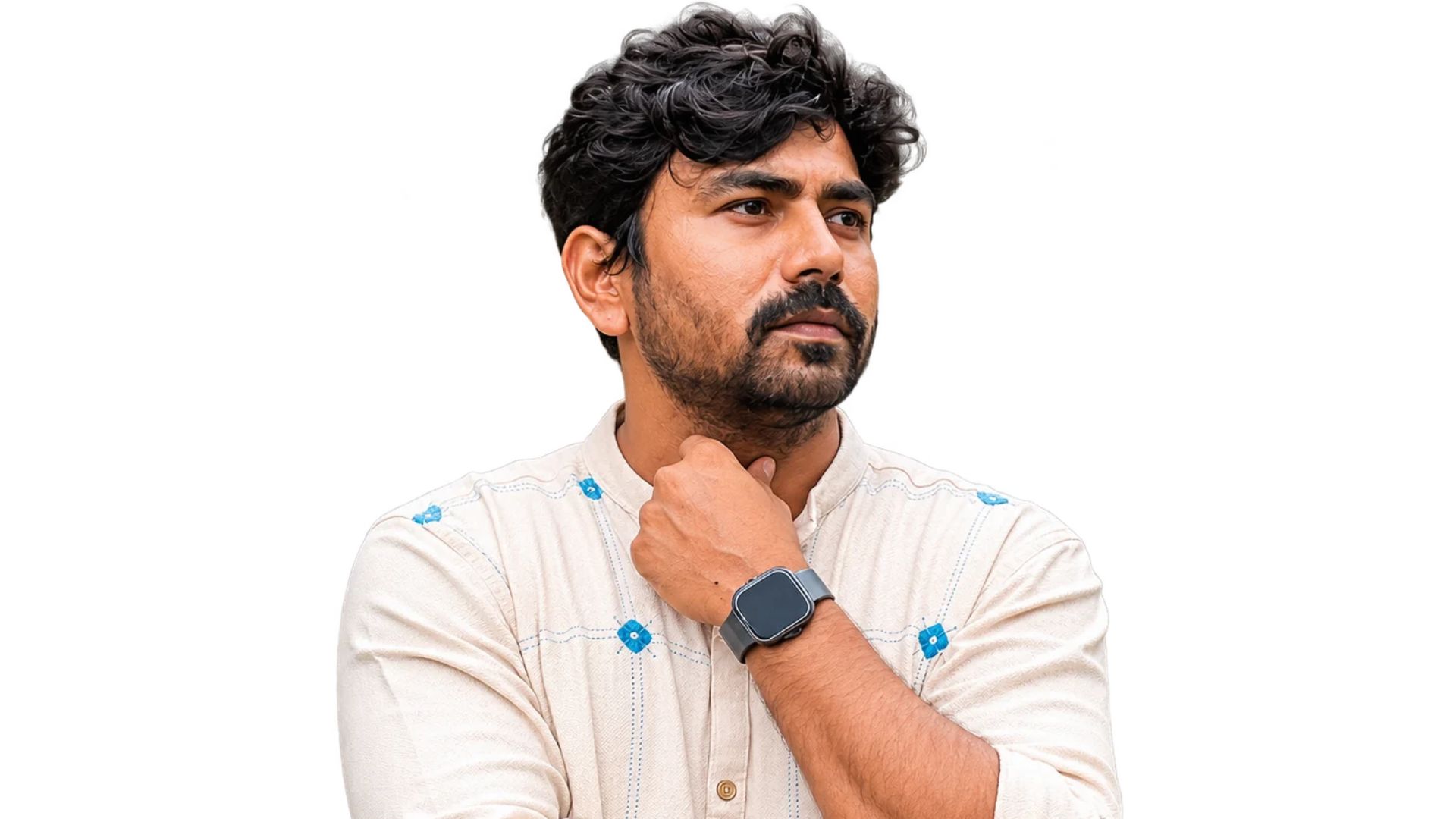
Photo credit: BlockP
Shubham Rangadal built a personal app to reduce his screen time. After publishing it on the Google Play Store, he noticed around 85% of users were adding adult websites to their blocklists. This insight transformed BlockP into a tool for healthier digital habits.
😟 Problem
Digital platforms compete for user attention. This makes it difficult for individuals to focus and avoid compulsive online consumption. Unrestricted access to inappropriate material affects mental well-being and productivity.
💡 Solution
The software restricts distracting applications and enforces safe search. Users access several core capabilities, including:
- AI-powered adult content filtering
- Scheduled blocking and focus modes
- Accountability controls to prevent easy restriction bypasses
- Cross-platform synchronization
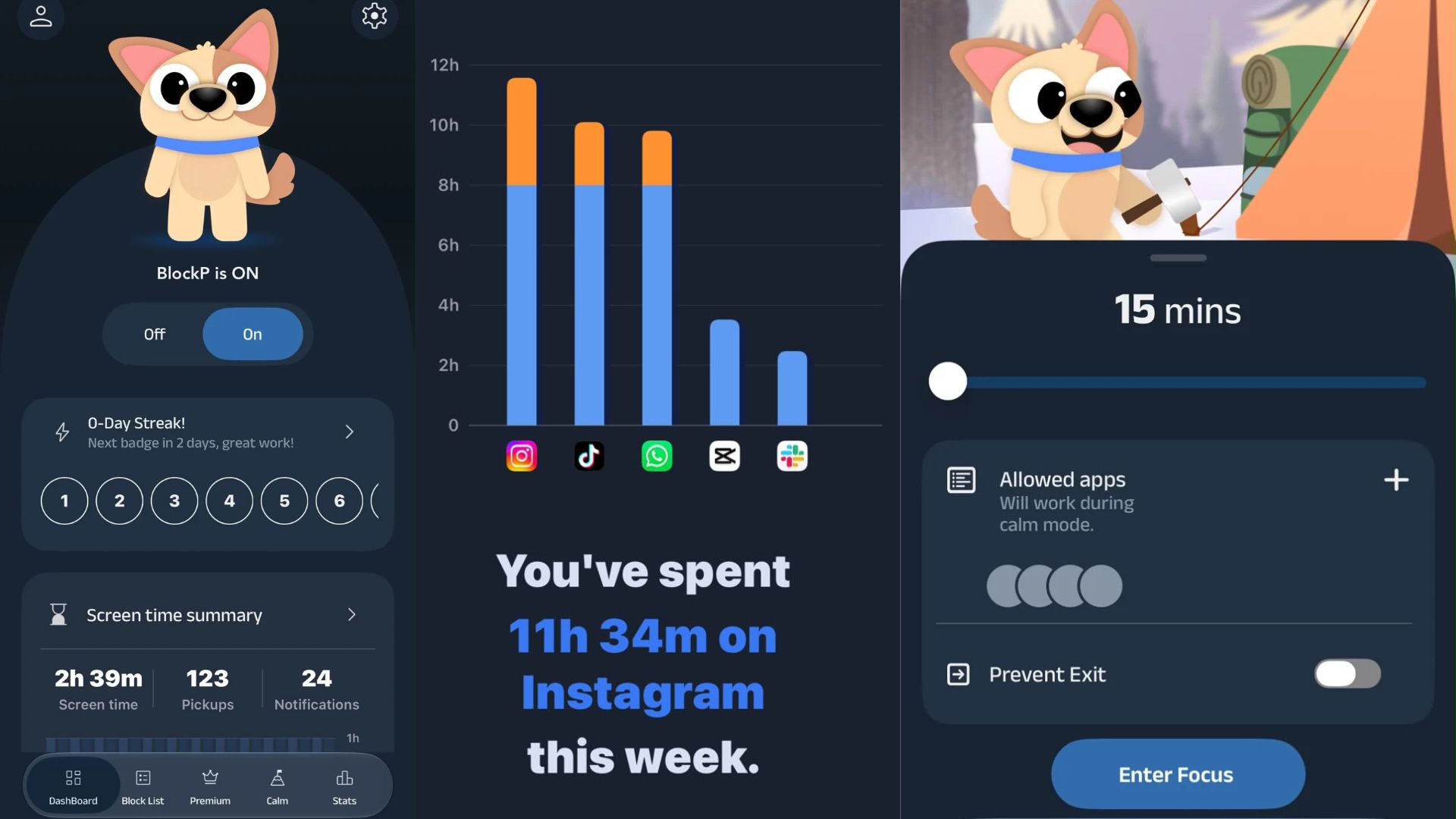
Image credit: BlockP
🤝 Team
Shubham Rangadal. Founder. He has hands-on engineering experience across Android and Flutter.
🚀 Traction
- Reached over 1.1 million downloads across five supported platforms.
- Grew organically as a fully bootstrapped consumer software business.
🏆 Competition
Main competitors include BlockSite, Qustodio, BlockerX, and Quittr. BlockP differentiates itself through cross-platform accountability controls. It combines AI content filtering with distraction blocking for adults.
💰 Financials
The startup operates on a subscription-based business model. Users pay for recurring monthly or annual premium plans. The company is fully bootstrapped and is not actively seeking funding.
🚩 Risks
- BlockP’s download base gives it reach, not proof of a durable business. Its model depends on enough free users converting to monthly or annual plans, then staying long enough to fund continued growth. Consumer subscription apps often struggle on both fronts, as shown in RevenueCat’s subscription app benchmarks.
- BlockP’s pivot was driven by concentrated demand for adult-content blocking, with 85% of early users using it that way. Growth now depends on translating that narrow behavior into broader willingness to pay for focus and screen-time tools. Research on screen-time apps suggests consumers may monitor usage without changing it, which weakens the case for wider recurring demand in digital self-control products.
This piece was written with the help of AI and edited by our staff based on information provided by the startup.









📅 Upcoming Events
30-31 March 2027
Upskill Fest