 C. Custer · · 2 min read
Skynet achieved: Beijing is 100% covered by surveillance cameras, and nobody noticed
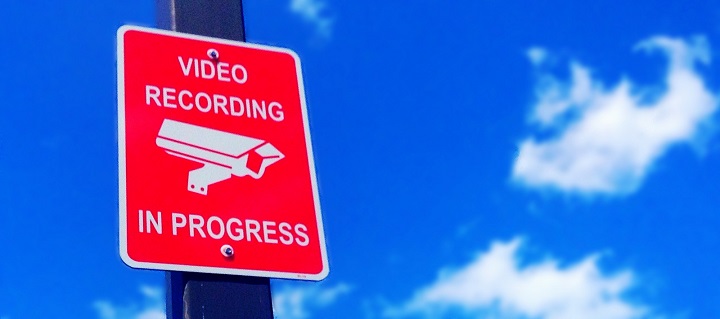
Anybody who’s set foot in Beijing has probably noticed the security cameras. Part of China’s national surveillance system (which is genuinely and unironically called Skynet), these cameras are used by police to solve crimes, track political dissidents, locate illegal protests and gatherings, etc.
But the capital’s eye in the sky got an upgrade this week, as authorities announced that the surveillance system now has 100 percent coverage in Beijing (though presumably they mean only outdoor/public areas). “Every corner of the capital” is covered, according to a piece in the state-run People’s Daily newspaper, which says the systems have helped police solve more than 1,500 crimes so far this year.
Though authorities have presented the system as a crime-solving tool, Beijing’s now-full-coverage Skynet also has obvious applications when it comes to tracking petitioners and political dissidents. Historically, Chinese authorities haven’t hesitated to use surveillance video for political purposes. Human rights lawyer Li Tiantian, for example, had Chinese government agents attempt to destroy her relationship by showing her boyfriend surveillance video of her entering hotels with other men. And well before the city was totally covered, Beijing authorities were already placing cameras directly outside the homes of political dissidents – dissident artist Ai Weiwei’s home got a camera back in 2009 – to track their movements.
The news that China’s capital is now completely covered by cameras may seem like either an impressive step forward for public safety or an Orwellian nightmare, depending on your point of view. But it hasn’t made waves at all with residents of the city, most of whom were likely too busy enjoying their golden week holiday to be aware of the news. News stories about the system’s completion have attracted few comments, and the response on social media is equally minimal.
It’s certainly possible that authorities released this news during a public holiday on purpose, in the hopes of minimizing the number of people who noticed. But it’s worth pointing out that the biggest threat to Beijing’s Skynet surveillance isn’t public opposition, it’s pollution. On bad days, smog is thick enough in the city that it can render many cameras virtually useless. Now that there’s nowhere in Beijing to hide, perhaps the city’s criminals and dissidents will take to doing their business under the cover of the capital’s carcinogenic haze.
Photo by Mike Mozart, Editing by Erik Crouch
(And yes, we’re serious about ethics and transparency. More information here.)





Stay updated on the go with our mobile app.
Get latest insights with smoother, more personalized experience through TIA mobile app.











📅 Upcoming Events
22 October 2026
Payoneer x CSPN Summit 2026