Facebook is still growing in Asia with over 351 million active users at the last count. The Philippines, contributes more than 30 million people to that Facebook Asia number. But for Filipinos, services like Facebook are for more than just posting, liking and reading through feeds – social media has proved to be powerful in many other ways.
Here are five ways that Filipinos have made good – and innovative – use of social media in the past year:
5: Disaster response

Sadly, 2013 was a year of multiple strong typhoons as well as an earthquake in the country, so the nation’s web users had a lot to worry over on social media. The #RescuePH hashtag was put to good use on Twitter as a way to crowdsource and coordinate which areas need help the most after a disaster.
It’s comforting to know that there are a pool of volunteers who track each tweet with this hashtag and make sure that the necessary help is being directed to the right place. Helping is always a good way to use social media, right?
4: Selfies as protest

2013 was the year of the selfie. Filipinos put their own creative slant on this trend, turning the selfie and the combined power of social media into a form of protest.
Following the announcement of a hike in train fares, disgruntled passengers started the “Price the Hike” movement on Facebook and Instagram, in which users uploaded pictures of themselves in protest of the policy. Four months have passed and the hike still hasn’t been implemented, but that doesn’t necessarily signify that this protest succeeded. Nevertheless, fact that the movement went viral across Philippine social media showed Filipinos can come together on the web in pursuit of a single goal.
3: Chat apps change the game
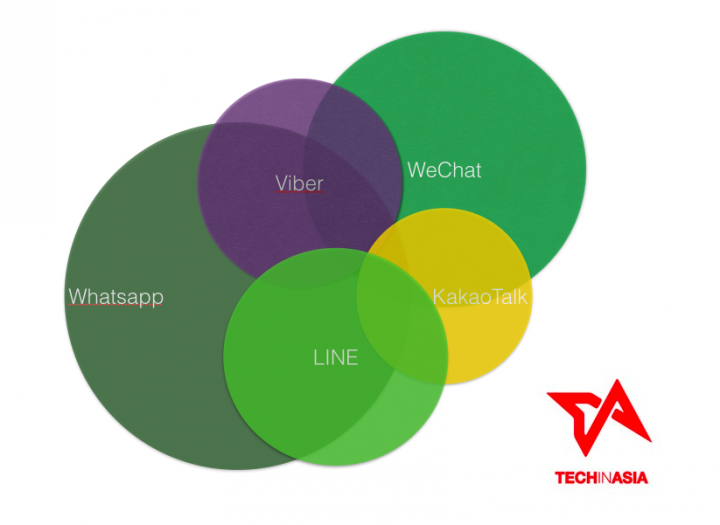
Lots of popular messaging apps were launched officially in the Philippine market this year, which will really shake up the social media scene and worry Facebook. Viber and WhatsApp were the first chat apps to become popular in the Philippines. But plenty more competition came in during 2013.
In June, China’se WeChat launched aggressive television ad campaigns. Line and KakaoTalk did the same with star-studded TV spots in July and August, respectively.
KakaoTalk’s TV ads helped it to top the app stores just two weeks after rolling out the ads. Meanwhile, Viber had a rather quiet entry with its CEO Talmon Marco say that it’s better to put resources into R&D instead of advertisements. The Philippines is one of Viber’s biggest markets in Asia with over eight million users. Anecdotally, WhatsApp seemed to fade into the background.
2: Scrutiny of government officials
1: Hack attacks





Stay updated on the go with our mobile app.
Get latest insights with smoother, more personalized experience through TIA mobile app.